
































































Rabat – The effects of climate change are changing how people see the future, requiring businesses to reconsider their approach to “sustainability.” Young people are increasingly pessimistic about the future, as dramatic weather events are making headlines every week, and droughts are becoming the norm in many countries around the world.
Given the undeniable impact that human activity is having on our planet, and considering our ever growing population, people, governments and businesses around the world need to rethink their approach to every facet of life.
For years the term “sustainability” appeared to have been little more than a word used in marketing to “greenwash” products and services that in reality were not sustainable at all. Changing one element in a production process, or sourcing less-polluting material for packaging is clearly not sufficient in the long-run.
For businesses, who rely on a certain level of trust from the general public, the approach to sustainability is increasingly demanding an all-or-nothing strategy. Quarterly results and short-term profits have long been the priority, but that needs to urgently change.
This shift in tone can clearly be heard in statements from Morocco’s OCP Group which has committed itself to “becoming the most sustainable business we can be,” according to its Chairman and CEO Mostafa Terrab.
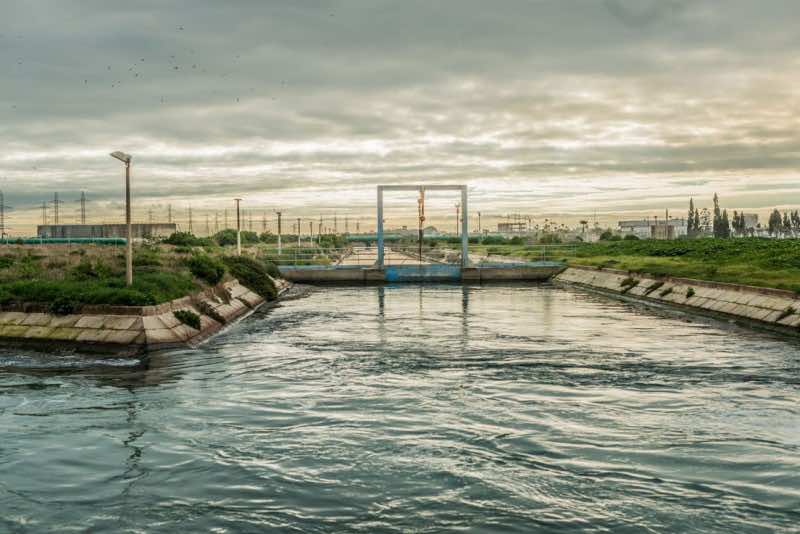
A holistic approach
Reaching an adequate level of sustainability for businesses, large and small, is an important step towards ensuring humanity can continue to prosper. From small farms in central Asia to giant manufacturing multinationals, everybody is affected by the approach businesses take today.
Working in a truly sustainable way does not just involve reducing a business’s carbon footprint, it involves a radical paradigm shift in terms of managing precious resources.
Long-term strategies are key to ensuring that energy and water is conserved, communities can depend on sustainable living standards and advances in technology help alleviate growing pressures in a changing climate. Food security is key to this, as rising global temperatures put stress on our existing supply chains and arable land.
While every individual can contribute to creating a truly sustainable future, large businesses have both the human and financial resources to ensure a rapid transformation of our global system.
A new approach to doing business requires every element of a corporation to consider sustainability, not as a marketing term, but as a key priority for both the company, its employees and its customers. Such a holistic approach requires large-scale investment, long-term strategies and a sense of urgency that permeates all elements of production, transport, and sales.
This broad all-inclusive approach can be seen in Morocco, where OCP Group is rehabilitating old mines and turning them into new green areas that absorb carbon. It has introduced a far-reaching water and energy strategy while looking after local communities, promoting education and a well-trained and well-compensated workforce.
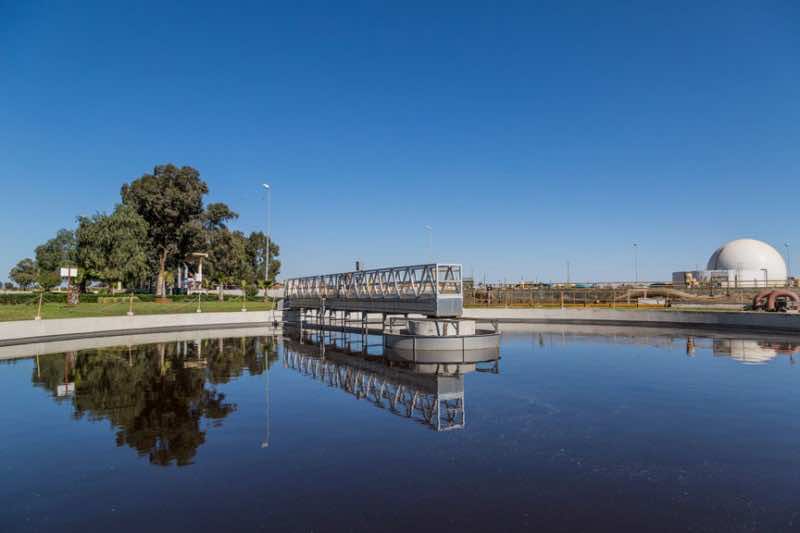
A universal benchmark
Rethinking centuries of business-as-usual requires an innovative mindset, and specific goals and targets that are both transparent and universal. The UN’s 17 “sustainable development goals” (SDGs) provide both a benchmark and a platform on which to anchor and evaluate future business strategies.
The SDGs, through initiatives such as the Business & Sustainable Development Commission, provide a marker to show how businesses contribute to vital concepts such as alleviating poverty, ending hunger, providing healthcare, education, and gender equality.
SDGs highlight the need for clean water and hygienic sanitation, the need for renewable energy and economic opportunities, protecting biodiversity, while simultaneously reducing inequalities and harmful practices.
The SDG framework provides a fairly transparent benchmark for stakeholders of a business to see whether businesses conserve vital water resources, provide living wages and equal opportunities to employees, and provide a healthy environment for all involved.
The UN’s sustainability goals can show us when a business is wasting resources, when it discriminates on gender or sexual orientation, how much energy it uses, or the amount of carbon it emits in its production and transport processes.
Using the SDGs as a marker shows us whether businesses invest in technology that goes beyond profit maximization. The framework can help in evaluating the results of research and development efforts, the impact of new technology, and the availability of transparent information and knowledge-sharing practices.
The SDGs feature prominently in OCP’s sustainability reports, with the phosphate giant estimating it can contribute to more than a third of the UN’s stated goals. OCP aims to contribute to crucial SDGs that aim to end hunger, promote quality education, as well as create new jobs and economic growth. In addition, OCP commits to ensure sustainable cities and communities, promote low-waste responsible production and consumption, and fight climate change.
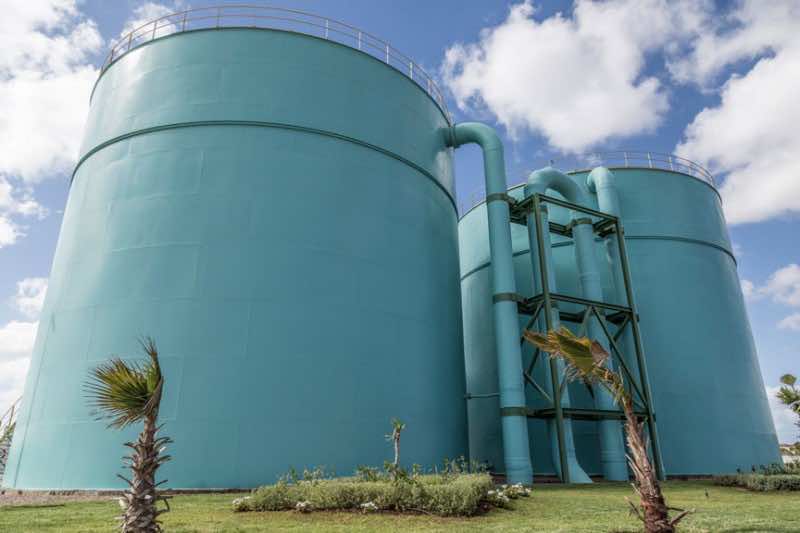
Long-term strategies
As established, the importance of sustainability will continue to increase in the coming decades, businesses will need to consider sustainability in all aspects of their operations, and the SDG framework will allow stakeholders to monitor the progress made. Nevertheless, the path to a truly sustainable future must be established immediately.
Ensuring the transition to new sustainable business practices will require organizations, both large and small, to develop innovative ideas and achieve ambitious targets, all encapsulated within a long-term strategy that spans decades.
The time of thinking exclusively in terms of quarterly results is over, if we are to find a sustainable equilibrium between mitigating and reducing climate change. Businesses have long served primarily as profit-making enterprises, a model that will need to be overhauled both for the future of the business, its employees, and its customers.
Long-term strategies will be crucial to national development, international climate agreements, and business development. Consumers across the world no longer regard sustainable business as an appealing aspect. Instead, sustainability is becoming the very foundation of the new lense through which corporations and brands are perceived.
The World Economic Forum (WEF) has labeled this new perspective as an “eco-wakening” that takes into account “brand purpose” in both the developed and developing world. The WEF emphasizes that “it’s no longer acceptable or smart to ignore sustainability in business.”
A 2020 survey on the fashion industry by consulting giant McKinsey confirmed that 66% of their respondents, and three out of four millennials, considered the sustainability aspect of a business when making a purchase. Sustainability is no longer an option, and only ambitious long-term strategies can make sustainable business a reality over the coming decades.
The threat of the effects of climate change can already be felt in Morocco, with longer and more frequent droughts and more extreme weather and forest fires. The rapidly developing eco-awakening in Morocco is led by its largest company, OCP, which is investing in the future by building innovative infrastructure to conserve water; is optimizing its energy-use at all stages of production; and is planning to be fully carbon neutral by 2040.
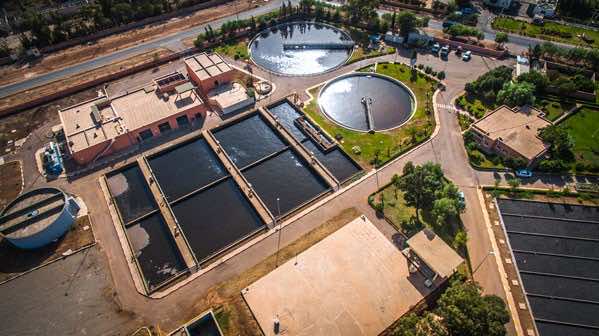
Leading the way
The growing eco-awakening among consumers is pushing companies to rethink their approach to doing business. From small shops introducing alternatives to plastic packaging, to giant multinationals rethinking their entire production chain. While sustainability is becoming an ever-present concept in public relations, a real shift to sustainable practices requires a genuine effort that is cemented in long-term strategies.
Technology giants Microsoft, Google, and Facebook have introduced plans that range from simple energy conservation, to redefining the strategies in which companies utilize water.
In Morocco, leading companies are unveiling ambitious plans to become better stewards of the human and natural resources they control.
Morocco’s largest phosphate and fertilizer producer, OCP Group, is implementing sustainability as an integral part of its long-term strategy. As one of the world’s top producers of fertilizer, OCP Group already has a key role to play in future food security, but it appears the company is going beyond its contributions to agriculture.
Recent publications by the company have shown an encouraging commitment to sustainability, backed by long-term planning to ensure success. OCP is working on fundamentals such as carbon neutral production, fertilizers tailored to the harsher climate conditions ahead, including reducing and recycling the water used at its facilities.
Built on ambitious plans to conserve and recycle vital resources such as water and energy, the Group has received a Vigeo Eiris rating of 84/100 for supporting communities and 69/100 on the environment. With scores almost twice as high as the industry average, OCP is taking the lead on a crucial long-term issue.
Yet when seen through the SDG lens, the company is going way beyond a theoretical embrace of the sustainability imperatives. OCP Group’s actions in Morocco and around Africa show that it is actually committing to ambitious strategies for its water and energy use, and it is revamping former mines to serve as carbon sinks. Furthermore, OCP appears to be making a remarkable commitment to the lives of its workers, local communities, and the environment in which they live.
Just as OCP is implementing a holistic approach to all elements of its own operations, the company is taking a continental approach to its quest for innovation. OCP is bringing advanced and innovative technology and practices to small-scale farmers in rural Africa while at the same time investing heavily in R&D, knowledge exchange, and training to improve agricultural yields and promote food security across Africa.
OCP’s approach appears to encapsulate the necessary long-term planning, ambitious yet attainable targets, and a holistic approach that takes into account each element of its business process.
Morocco is expected to be heavily impacted by the effects of climate change, and it appears the country’s largest company is approaching the issue accordingly. With Morocco serving as one of the few model countries for green energy development, its leading corporation has consistently shown that it is committed to setting a standard for true sustainability – not just through words, but through actions.