


 Join on WhatsApp
  Join on Telegram
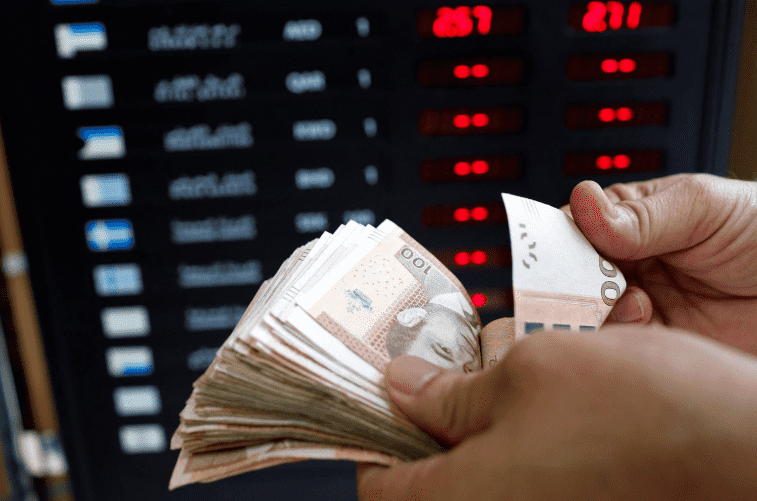
 Rabat – Bank Al-Maghreb, Morocco’s central bank, reports that the exchange rate of the Moroccan Dirham against the US Dollar increased by 0.38% between November 25 and December 1.
The central bank also reported that the Moroccan Dirham devalued by 0.68% against the Euro in the same period.
In 2018, Morocco enacted a move towards a more flexible exchange rate. Effective January 15, 2018, the Dirham fluctuation bands were widened to +/- 2.5%.
Read Also: Morocco to Establish Its First Floating Photovoltaic Power Plant
By transitioning to a more flexible exchange rate, Morocco’s central government was no longer the sole actor in deciding the value of the Moroccan Dirham against other currencies.
As a result, the currency market is better adjusted to absorb macroeconomic shocks as the exchange rate is determined by demand and offer.
Proponents of flexible exchange systems argue that within a flexible exchange rate system, a market can absorb external macroeconomic shocks such as the 2008 financial market crisis.
In the years following the real estate market crash and the ensuing financial crisis, the Moroccan economy was severely impacted by the surge in oil prices in 2012, leading to close to a 10% in current account deficits in 2012.
One of the major downsides of a fixed exchange system is its reliance on foreign exchange reserves. Between 2010 and 2012, Morocco’s foreign exchange reserves took a 27% hit, resulting from the North African country’s effort to absorb the deficit resulting from the 2008 economic crisis.
Read Also: Mckinsey: Pandemic Accelerated Digital Banking Adoption in Africa
The unprecedented drop in foreign currency reserves left the government with only four months worth of imports of non-financial goods and services.
The fluctuation band enacted in 2018 remains relatively too narrow to allow for self-adjusting management mechanisms. However, Morocco is smoothly transitioning through economic reform in a long-term process.


