 Join on WhatsApp
 Join on Telegram
Casablanca – After being subjected to various forms of brutality and fear, Spanish victims of Polisario terrorism have decried the outpouring of support for Polisario.
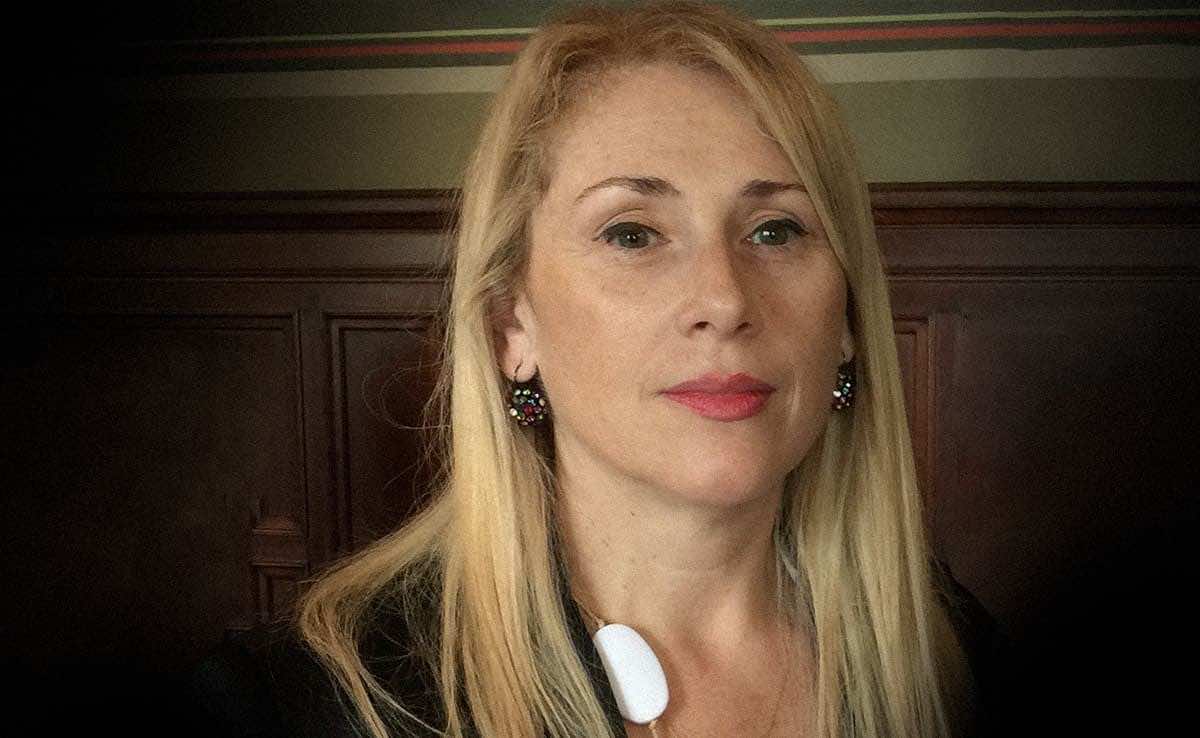
In a statement, Lucía Jiménez, the president of the Canarian Association of Victims of Terrorism (ACAVITE), condemned the separatist group’s well-documented killings of hundreds of Spaniards. In particular, the ACAVITE president urged Spanish authorities to prosecute Polisario leaders and end what she described as Polisario sympathizers’ historical amnesia.
A Spanish association founded in 2006, ACAVITE advocates for justice for the families of Canary Island fishermen killed by armed Polisario elements supported and housed by Algeria’s military establishment. The group includes the relatives of more than 300 victims of Polisario terrorism.
During the 1970s and 1980s, Polisario militiamen carried out terrorist attacks against Spanish fishing vessels, between the Moroccan Saharan regions and the Canary Islands, killing 49 Spanish fishermen.
According to a report by the Spanish news website El Periódico de España, Polisario’s targeting of Spanish nationals persisted throughout the 1980s, claiming the lives of at least 300 civilians.
After Morocco recovered its southern provinces in 1975, the Polisario employed the killing of Spanish citizens as a means of putting pressure on Spain and punishing it for signing with Morocco a 1976 fishery deal that implicitly acknowledged Western Sahara as Moroccan territory.
Jiménez said she is outraged by the wave of solidarity the separatist Polisario Front still enjoys in Spain. “It is immoral to support Polisario while abandoning the Spanish victims of its bombings,” she said in a press release.
The ACAVITE president also mentioned the “50-year abandonment of the Sahrawi population in a failing state.” The Front’s leaders “have created frustration in a state that does not exist, and whose leaders have lived very well in Spain and Europe owing to rich international funding.”
Jiménez further noted that “the Polisario Front has deceived” all parties “of the extreme left, center, and PSOE” while “there are nearly 600 cases” of Spanish victims of Polisario terrorism.
“There is no will on the part of the National Court or the Spanish State to resolve them. We know that victims were kidnapped and transferred to Tindouf. The ideologue of all the terrorist attacks was Brahim Ghali, whom Spain allowed to enter illegally” last year, she lamented.
On April 18, Brahim Ghali traveled to Spain for medical treatment after testing positive for COVID-19. While Madrid hoped to keep the Polisario chief’s hospitalization secret, it soon emerged that Spain and Algeria had colluded to arrange for Ghali’s trip under a false name and with a forged Algerian diplomatic passport.
Citing a complaint submitted by over 200 Canarian victims, according to which Ghali committed terror acts against 281 Canarians, the ACAVITE president urged Spain’s top court to hold Polisario’s leader accountable for his crimes.
Since its creation, ACAVITE has tirelessly worked to get formal acknowledgment for these crimes from the Spanish state and international and national organizations. In its struggle for the rights of Polisario victims, the group is notably calling for reparations for victims’ families and a strong denunciation of the historical amnesia associated with Polisario’s sympathy.
Jimenez has long suggested that, as a country that prides itself on its transformation from a military dictatorship to a thriving democracy in recent decades, Spain ought to make the preservation of the rights of terrorist victims one of the most important aspects of its culture of democracy and justice.