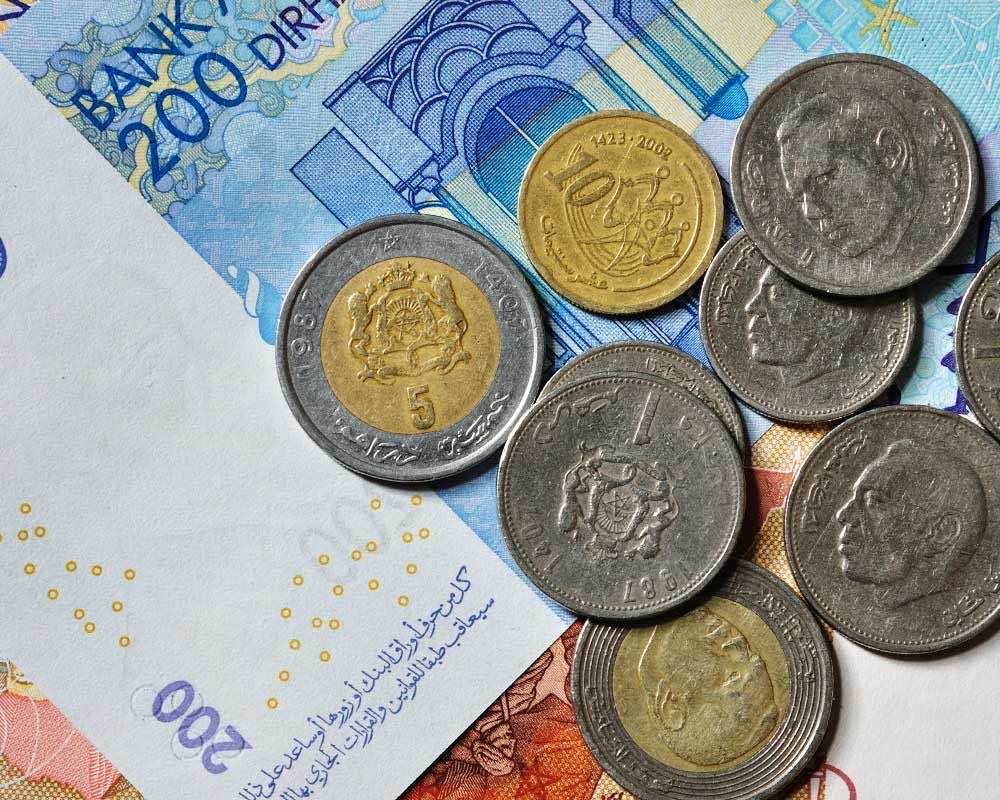
Rabat – With the euro recently dipping below the US dollar’s value for the first time in 20 years, Morocco finds itself in a difficult position. As Europe and Morocco enjoy a close trade partnership, the North African kingdom will soon find itself affected by the unprecedented depreciation of the euro.
Morocco and Europe’s trade reaches tens of billions of dollars each year, with Morocco being one of Europe’s most significant exporters.
Some experts say that the euro’s depreciation will negatively impact Morocco, as the kingdom exports its goods in euros but buys goods on the global trade market in dollars. This can include products like fuel, as well as food goods like cooking oil, grains, and coffee.
The euro’s decreasing value might thus exacerbate already existing issues, as Morocco’s government tries to keep subsidizing these products in an effort to protect the citizens’ purchasing power.
Morocco’s tourism industry could also be affected, as Europeans remain a significant demographic of the tourists who visit Morocco each year.
Decreased purchasing power in the EU may lead some of those tourists to reconsider their trips to Morocco while the country’s tourism sector still attempts to recover from the effects of the COVID-19 pandemic.
Remittances from the Moroccan diaspora are also expected to suffer, as a large chunk of Moroccans live in European countries like France and Spain and send their remittances in euros.
The average Moroccan citizen’s purchasing power will therefore continue to decline at a time when geopolitical and economic factors have caused a notable increase in the price of basic fuel and culinary goods.
Read Also: Fuel Prices in Morocco Reach New Heights
Amid the continued depreciation of the euro, some have lamented Morocco’s reliance on the EU as its primary trade partner, pointing out that the dollar’s rise could have benefitted Morocco if it had increased its trade with the United States.
Barring a resolution to the Ukraine-Russia war and a recovery of the EU’s economy, which experts see as unlikely, economists agree that the best path forward for Morocco is to diversify its production and trade partners to mitigate some of these effects.
Last week, the euro hit parity with the US dollar for the first time in 20 years, before decreasing even further and dipping below its American counterpart. The decrease was caused by the European Central Bank’s failure to hike interest rates to keep up with inflation, as well as the regional effects of the Russia-Ukraine war.