
 Join on WhatsApp
 Join on Telegram
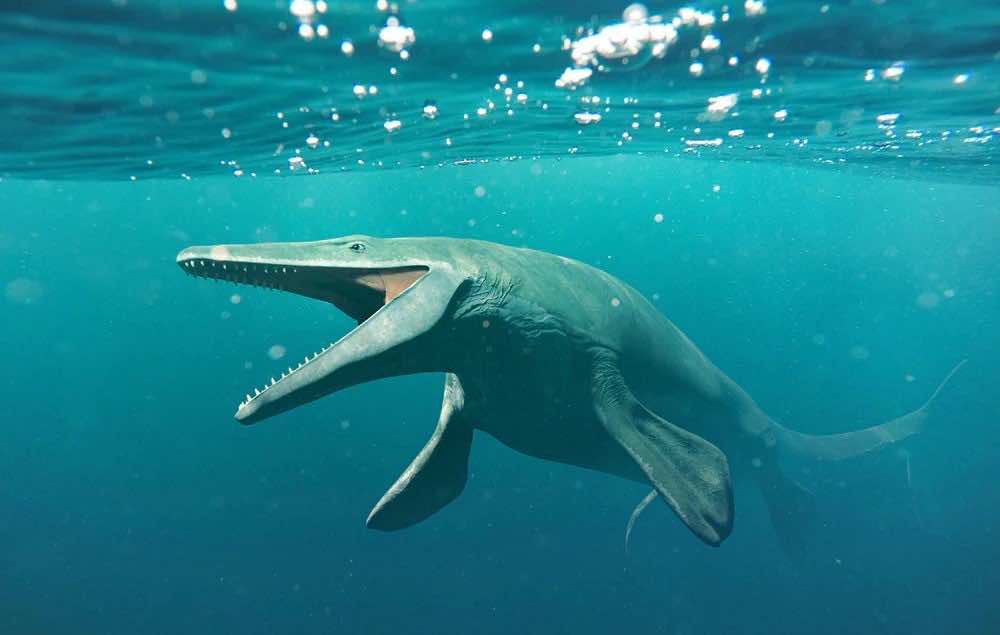
Rabat – Paleontologists at the University of Bath have discovered fossils of a giant sea monster named Thalassotitan Atrox near Casablanca, Morocco. The findings come less than a month after the discovery of fossils in Morocco’s Sahara desert, suggesting the possible historical existence of a Loch Ness Monster-type creature.
Mosasaurs, or sea monsters, are enormous marine reptiles that existed 66 million years ago, at the end of the Cretaceous period, indicated the University of Bath in its Wednesday press release.
“Mosasaurs weren’t dinosaurs, but enormous marine lizards growing up to 12 metres (40 feet) in length,” added the statement, explaining that the giant sea monsters were “distant relatives of modern iguanas and monitor lizards.”
In the last 25 million years of the Cretaceous period, mosasaurs evolved to become “larger and more specialised,” added the same source. While some mosasaurs fed on small prey like fish and squid, Thalassotitan Atrox “evolved to prey on all the other marine reptiles.”
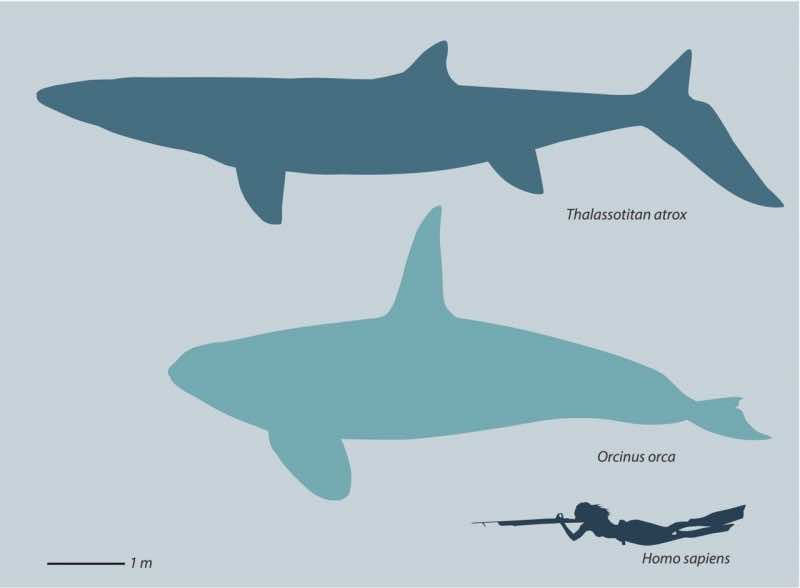
Thalassotitans had an “enormous” 1.4 meter long skull and grew to nearly 9 meters long, “the size of a killer whale,” according to the statement. Most mosasaurs had “long jaws and slender teeth for catching fish.” Meanwhile, Thalassotitan had a “short, wide muzzle and massive, conical teeth like those of an orca,” allowing it to catch and rip apart big prey.

According to the statement, these features suggest that Thalassotitan was occupying the top of the food chain, similar to today’s killer whales and great white sharks.
Fossilized remains of the mosasaur’s prey have also been discovered, including damaged remains of a “large predatory fish, a sea turtle, a half-meter long plesiosaur head, and jaws and skulls of at least three different mosasaur species.”
Read also: Archeologists Discover ‘Colossal’ Dinosaur Footprints in Morocco
Nick Longrich, the paleontologist who led the study, said that “Thalassotitan was an amazing, terrifying animal.” He added, “Imagine a Komodo Dragon crossed with a great white shark crossed with a T. rex crossed with a killer whale.”
Longrich has written a blog about the research. Titled “Pluridens and the insane, incredible, neverending diversity of Moroccan mosasaurs,” the blog highlights Morocco’s mosasaur diversity, saying that “Morocco samples a very diverse point in time for mosasaur evolution.”