 Join on WhatsApp
 Join on Telegram
Rabat – No matter how full of equipment a Moroccan kitchen is, Eid Al Adha is definitely an event when parents shop for new appliances. This is no religious rite, but it is simply part of the customs Moroccans across generations have long adopted to facilitate the preparation of a full menu of delicious food.
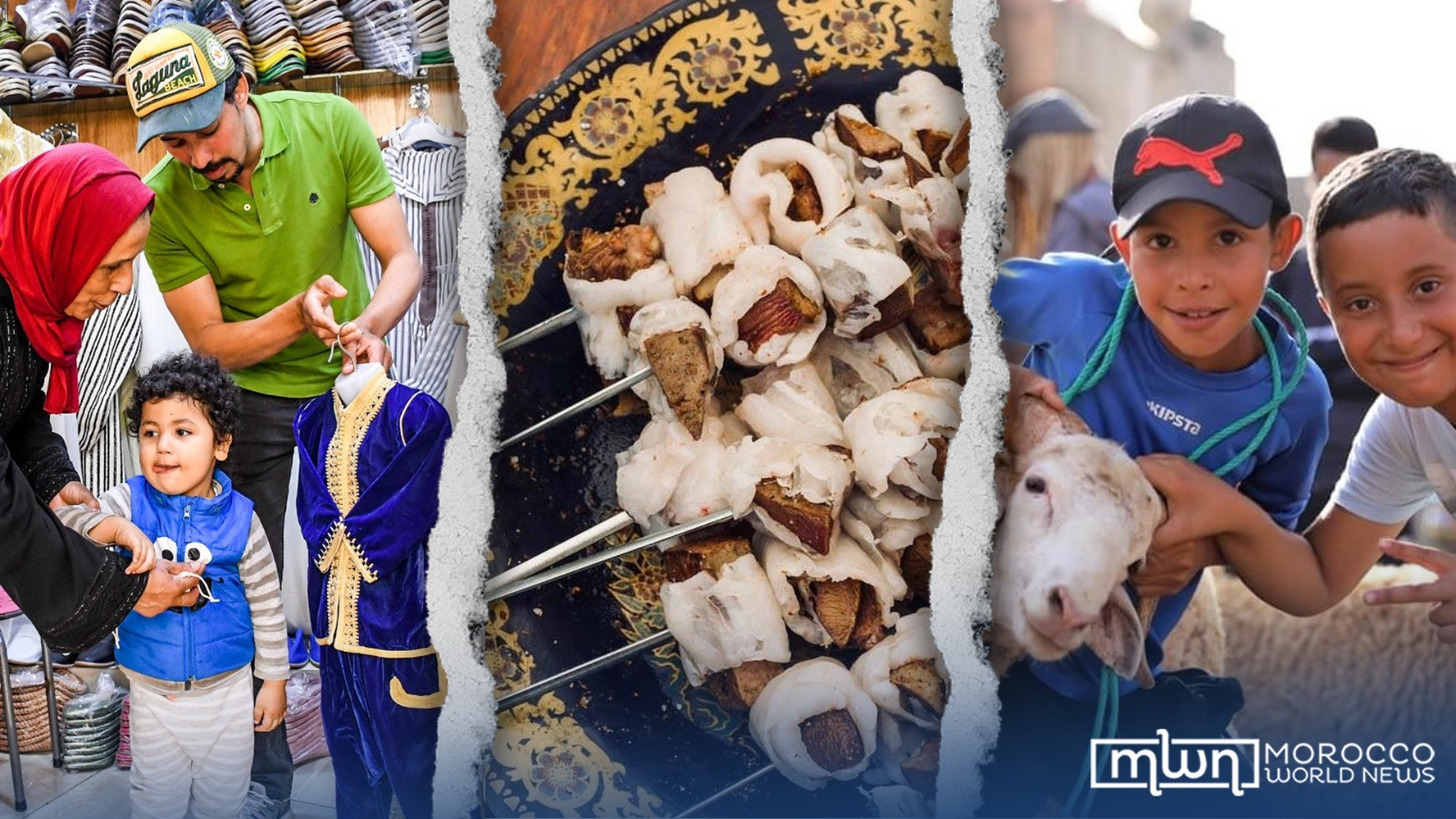
Preparations for Eid Al Adha, also known as the Feast of Sacrifice, begin with a lot of shopping that includes new sharpened knives, barbecue skewers, and colorful species.
The weather and vibes of Eid are also completed only if you can spot some small boots that appear only during the Feast of Sacrifice.
In case you are wondering what these are — they are usually temporary or seasonal jobs that are only created for the Eid event. Such jobs include traditional knife sharpeners.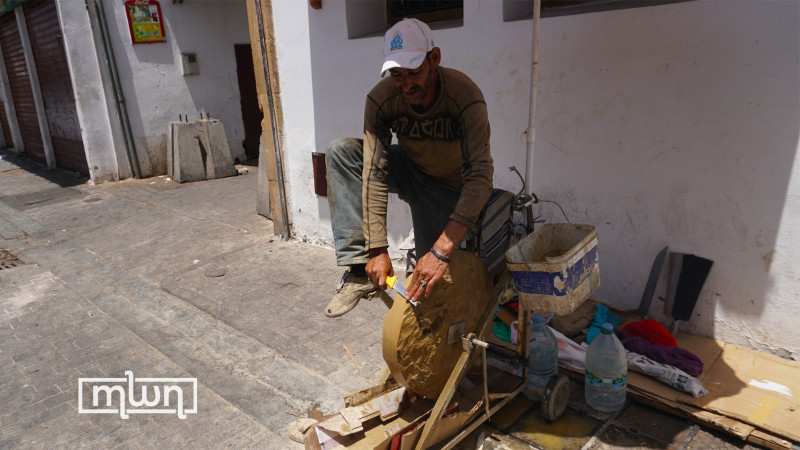
Seasonal jobs during Eid Al Adha
The job is usually taken by the usual people experienced to do it annually.
Workers involved in the profession set up sharpening wheels and use one foot to pedal so the wheel is moved in a circle to allow them to sharpen the knives very carefully.
Now, many are using electric sharpening machines to facilitate and speed up the process, however.
Eid Al Adha is also about food. A lot of it. 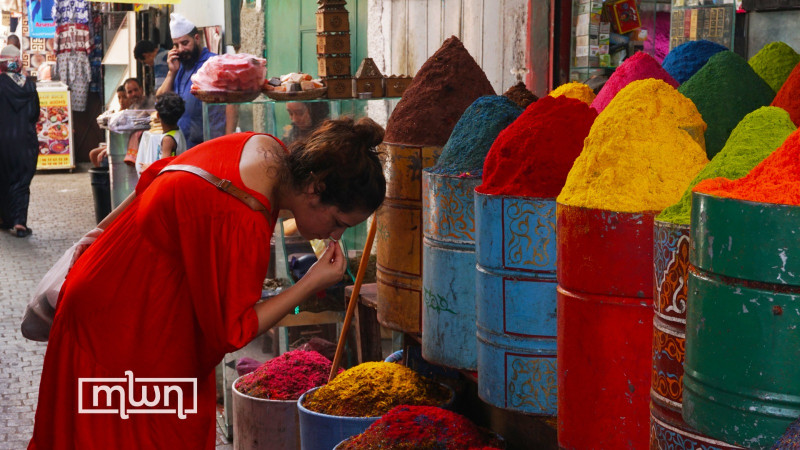
A woman smelling spices in the old medina in Rabat, Morocco
Many families begin the day with a normal breakfast following the Eid prayers. But coming next is a lot of meat.
Usually, Moroccans prepare special dishes to celebrate the feast – including tkalia and boulfaf. Tkalia is the entails of the livestock. It is also known as chkabma, douara, and elqercha in some regions – including Sale and Rabat.
The meal is definitely a delight for many– but not sure whether it is a fun idea for tourists! It is nonetheless a staple in most Moroccan homes.
The idea is to use most of the edible part of the sheep to make sure that nothing is wasted.
The cook of the house cleans the entails very thoroughly before the cooking process.
The main ingredients to prepare this traditional meal are a lot of spices – including black pepper, cumin, salt, garlic, turmeric powder, red pepper, chili, and coriander. 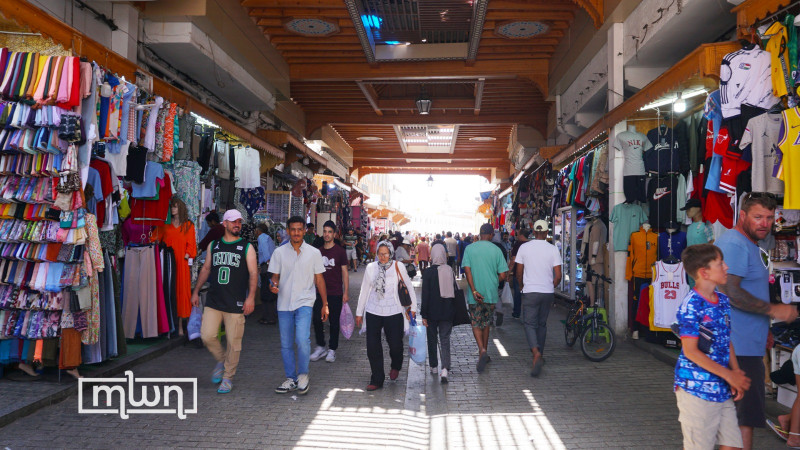
Eid Al Adha vibes in Rabat
The dish needs at least a few hours of cooking, with different ingredients – mostly spices and olive oil. Once ready, tkalia is usually served with pieces of bread or mekhmar (Moroccan batbout).
But the dish is not an Eid Al Adha specialty as it can — and often is — also served on normal days.
In addition to tkalia, most of Moroccan families also prepare grilled lamb liver, known as boulfaf.
The preparation for the dish needs fewer ingredients than tkalia, the main ones being fat and liver.
The cook usually puts the liver on a barbecue grill until it is semi-cooked. The home chef then will cut the liver into inches and wrap them in sheep fat, before threading them onto a skewer. Each skewer can include several pieces.
On the night of Eid, some families usually receive relatives and family members that most of the time stay for dinner.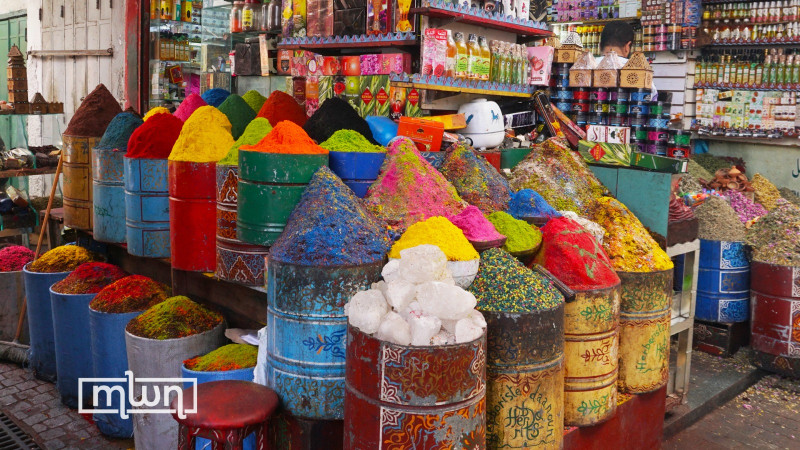
Spices shop in the old medina, Rabat
The food served at dinner time is mostly couscous – at least in the Rabat and Sale region.
Don’t be surprised if a lot of smoke is coming up from each house’s roofs on the day of Eid Al Adha. It is simply a sign of mostly families enjoying barbecue with a cup of Moroccan mint tea.
The dishes prepared the next day mostly include salads and pieces of spicy meat inserted in a skewer for lunch.
Eid Al Adha is certainly not only about the food but the delicious food served on that particular day is irresistible — and it is an essential part of enjoying a special day.