Doha – Moroccans welcome the holy month of Ramadan (the ninth month of the Islamic calendar) on the back of spiritual and economic preparations they made during Rajab and Shabaan, respectively the seventh and eighth months.
Ramadan preparations in Morocco are marked by various traditions including: preparing traditional clothing to look festive, cleaning mosques to make them ornate, creating special Ramadan dishes and sweets especially “sellou” and “chebakia”.
Charitable associations also prepare for various acts of goodwill and charity. Merchants and traders launch discounts and promotions to encourage people to shop, thus stimulating commerce during the holy month.
One of the most common greetings heard is “awasher mebrouka,” wishing that all of Ramadan will be blessed.
An integral part of these preparations is the return of the “neffar” – a traditional Ramadan occupation in Morocco.
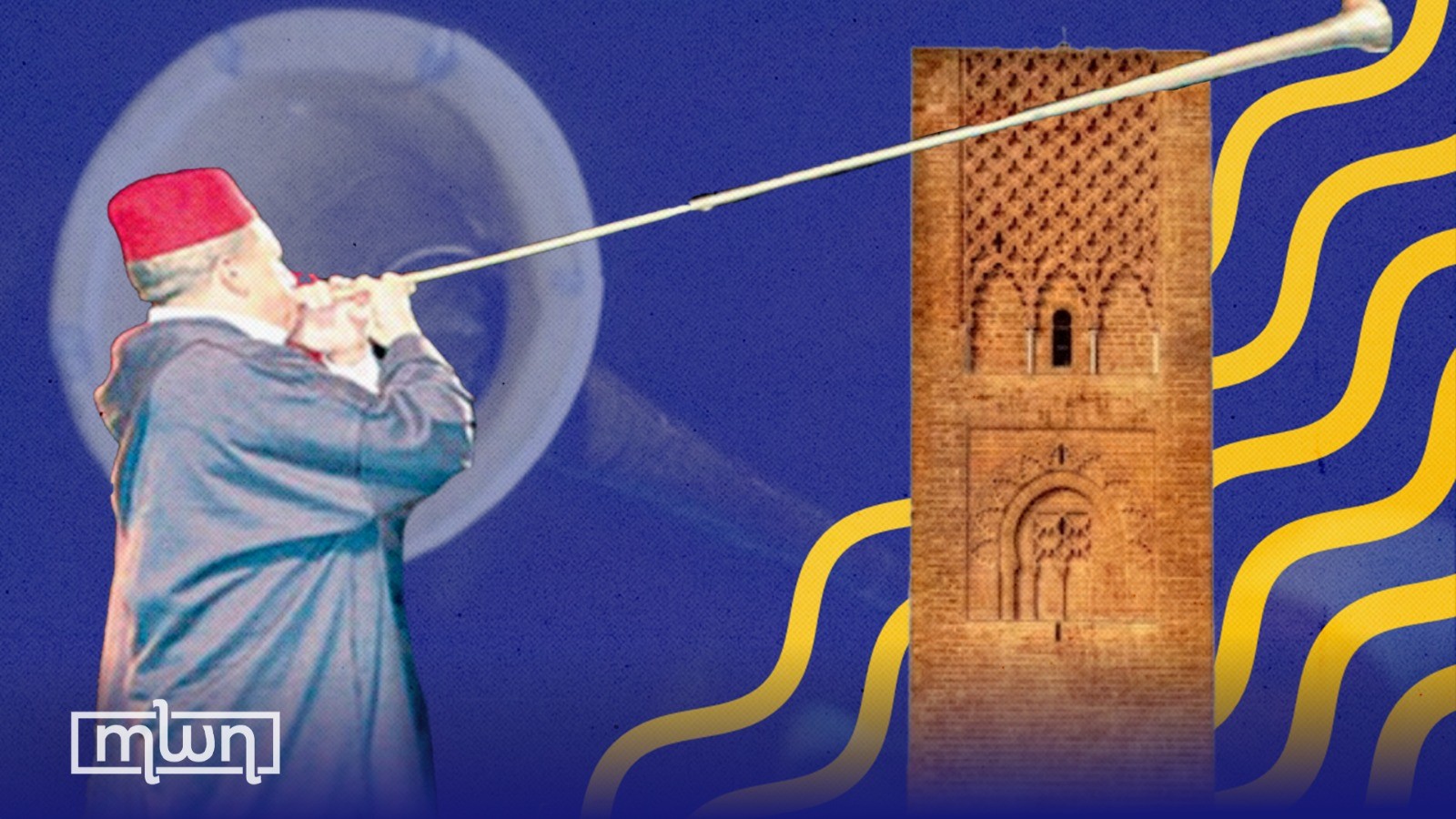
The “neffar” is that man who walks the quiet streets in the early mornings during Ramadan, playing instruments like drums and wind pipes, in order to wake people up for suhoor (the pre-dawn Ramadan meal).
The history behind
According to researcher Mustapha Aarab cited by the Emirati newspaper Al Etihad, the “neffar” instrument came to Morocco from Andalusia in the year 725 Hijri, when the Sultan Abu Inan Faris built towers in Fez for “buaqin” – trumpeters who used these instruments for warnings and mobilization.
There are also various folk tales about the origins of the “neffar” profession in Morocco. According to an ArabicPost article by Moroccan writer and researcher Abdellah Ennemli, one story dates it back to the Saadian dynasty era in the 16th century. This version involves a princess called Lalla Ouda al-Wazkitia (the mother of the Saadian Sultan Ahmad al-Mansur), who supposedly broke her Ramadan fast accidentally by eating a ripe apricot from the palace gardens.
As penance she employed the first “neffar” to play music from the minarets of Marrakech and wake people up before dawn, to prevent others from forgetting and breaking their fast.
Another legend says Lalla Ouda intentionally broke her fast out of desire, and bitterly regretted it later. Out of guilt and desire for atonement, she pledged all her gold to the “neffar” in return for them praying she be forgiven and waking people for suhoor.
The neffar’s tools and attire
The “neffar” has several tools associated with his Ramadan occupation. The most common is the previously mentioned long copper wind instrument, usually over a meter long, which produces a piercing loud sound.
Other instruments used include drums of varying sizes, short wind-pipes called “ghayta,” and even brass bugles. The beats of the drum and tunes from these instruments create a distinct and nostalgic Ramadan rhythm.
Some “neffar” dress in traditional Moroccan attire like the long hooded jellaba robes, taqiyah cap or the iconic red fez tarbush hat. This clothing matches the heritage and nostalgia evoked by their occupation.
The purpose and rituals
The “neffar” sees his role as a noble one, aiming to wake people up before dawn to prepare the suhoor meal and make sure no one misses the important fajr prayer.
Typically he starts his round at 2 AM, winding through the narrow streets. Historically, there would be two rounds – one to wake the women to start cooking suhoor, and another later to wake everyone for the meal.
As appreciation for their services, Moroccan families would give money to the “neffar,” or feed him just before dawn. Some would even pay the zakat al-fitr charity to them. Though returns are meager, this symbolizes the goodwill towards them.
The decline
While the “neffar” profession persists mainly in the old cities, it has declined over the years nationwide due to modern technology. Alarm clocks, mobile phones and audio devices like speakers and TVs have reduced the need for the “neffar” to come calling before dawn.
Additionally, the observation that youth today tend to stay up late watching TV, means they no longer need someone to wake them up specifically for suhoor.
According to an interview in the Anadolu Agency, a resident of Salé named Hajja Fatima contrasts the present with past times.
“In past years the neffar would pass through our neighborhood twice each night, at least an hour apart. The first to wake us ladies up to prepare suhoor, and the second to wake the sleepers for the suhoor meal,” she said.
“Today everything has changed. The current generation stays up late, usually watching satellite TV, so the need for the neffar to wake them up is fading away.”
Many older Moroccans nostalgically remember when the “neffar” was a regular sight and his music a quintessential part of Ramadan traditions and atmosphere. Their childhood memories are defined by waking up to the sound of drums and wind-pipes drifting through the air before dawn.
Efforts to preserve the tradition
“The neffar is famous among the public and the elite as part of Morocco’s intangible heritage that brings joy and celebration,” says anthropologist Oussama El Khadraoui. “Recalling the neffar is recalling the good old days, because this profession has become so rare in Morocco.”
El Khadraoui notes optimistically that some “neffars” are determined to persist in their career path out of passion, “so this profession does not vanish, even if the compensation is just a few dirhams.”
Though the tradition faces decline in the big cities, he hopes that in the old cities this “noble Ramadan heritage” will remain, thanks to neffars who staunchly “refuse to allow their occupation to die out.”