 Join on WhatsApp
 Join on Telegram
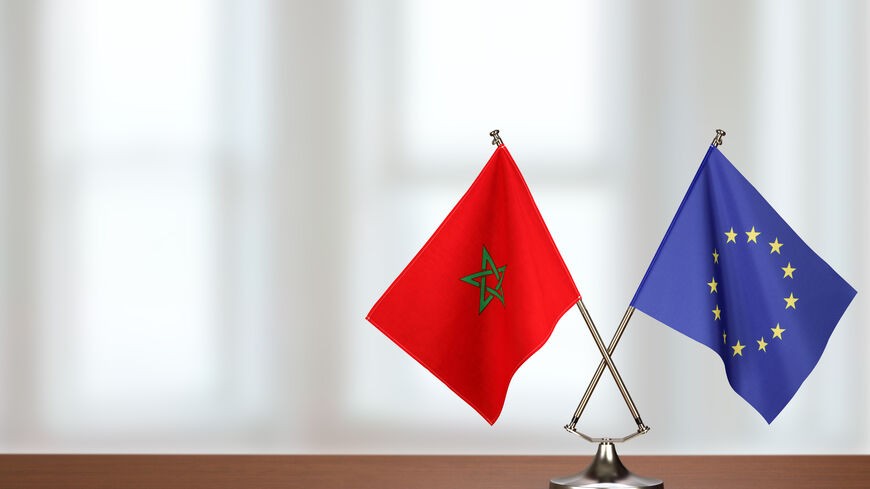
Rabat – Morocco’s agriculture agreement with the European Union (EU) is of significant socio-economic impact, says a recent report from the European Commission and the European External Action Service (EEAS).
Covering the year 2023, the annual report emphasizes the significant benefits of the partnership, particularly for the population residing in the southern provinces of Morocco.
The publication comes on the heels of a major legal setback for the Polisario movement at the Court of Justice of the EU.
The Advocate General’s decision to label products from Western Sahara with a different label while maintaining the trade agreement with Morocco virtually strips the group of its representativeness and reinforces the legitimacy of the agreement between Rabat and Brussels.
The report highlights the ongoing implementation of the agreement, which was formalized through an exchange of letters amending Protocols 1 and 4 of the Morocco-EU Association Agreement.
Since its entry into force in July 2019, commonly referred to as the “Agricultural Agreement,” the partnership has continued to yield positive results for both parties.
Key findings of the report include substantial increases in exports from the southern provinces of Morocco to the EU.
In 2022 alone, exports amounted to 203,000 tons, up from 100,000 tons before the agreement took effect. The economic value of exports reached a staggering €590 million in 2023.
Read also: EU-Morocco Fisheries Deal: Polisario’s Hasty Celebration Amid Significant Blow to Legitimacy
The agreement has led to a surge in job creation, with over 49,000 direct jobs generated in the southern provinces in 2022 alone, resulting in a significant boost to the local economy.
The report equally highlights the major infrastructure projects currently underway in Morocco’s southern provinces, especially in the fields of seawater desalination and renewable energies.
In addition, the report points out the significant strides Morocco has made in terms of investment, improved working conditions, socio-economic integration, vigorous support for youth, and infrastructure development.
Regarding the environmental impact of the agreement, the report notes that Morocco has taken major steps in the fight against water stress, investing hundreds of millions of euros in developing water desalination plant projects, which are powered by renewable energy sources.