Rabat – Morocco has embarked on a groundbreaking initiative to equip 10,000 literacy teachers with digital skills by 2025.
This ambitious project, spearheaded by the UNESCO Institute for Lifelong Learning (UIL) and the UNESCO Regional Office for the Maghreb, is bolstered by the critical support of leading technology giant Huawei, alongside the Moroccan National Agency against Illiteracy (ANLCA).
The initiative signifies a major leap forward in Morocco’s digital transformation journey, specifically within the education sector, and positions Huawei as a key player in empowering educators and fostering a more tech-driven approach to literacy education.
According to a press release on the launch of the ceremony today in Rabat, Isabell Kempf, Director of UIL, spoke to the importance of literacy. “Literacy is the cornerstone of lifelong learning and a critical driver of sustainable development,” she said. She continued; “in today’s digital age, it’s imperative that literacy programs fully embrace the potential of technology.”
This initiative directly addresses this need by providing literacy teachers with the necessary tools and training to seamlessly integrate technology into their teaching practices.
Huawei: bridging the digital divide for educators
While Morocco has demonstrated a strong commitment to improving literacy education through its 2022 membership in the UNESCO Global Alliance for Literacy as well as through establishment of the Literacy Profession Training Institute (IFMA), this new initiative specifically tackles the challenge of equipping educators with the digital skills they need to thrive in the 21st century.
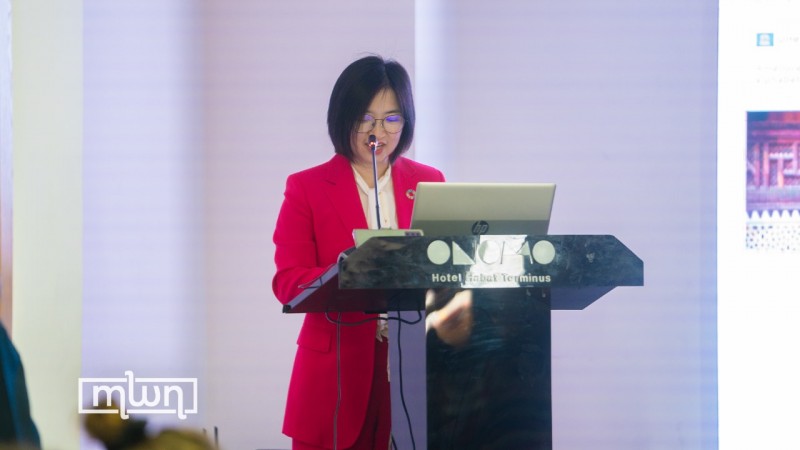
Vicky Zhang Yuan, Vice President of Huawei Technologies,
Huawei’s involvement in the project is particularly noteworthy. As a leading global technology company, Huawei brings its extensive technological expertise and resources to the table, playing a pivotal role in bridging the digital divide for educators.
In an exclusive interview with Morocco World News on the sidelines of the event, Vicky Zhang Yuan, Vice President of Huawei Technologies, spoke of the intrinsic link between education and the digital age.
She stated, “we believe that education is the key to the future, because we believe that digital talents are very important, and that literary education is the basis for digital talents”.
Building a curriculum for the digital age
The initiative will leverage existing training modules for literacy teachers, translating them into Arabic and meticulously adapting them to the specific context of Morocco’s educational landscape.
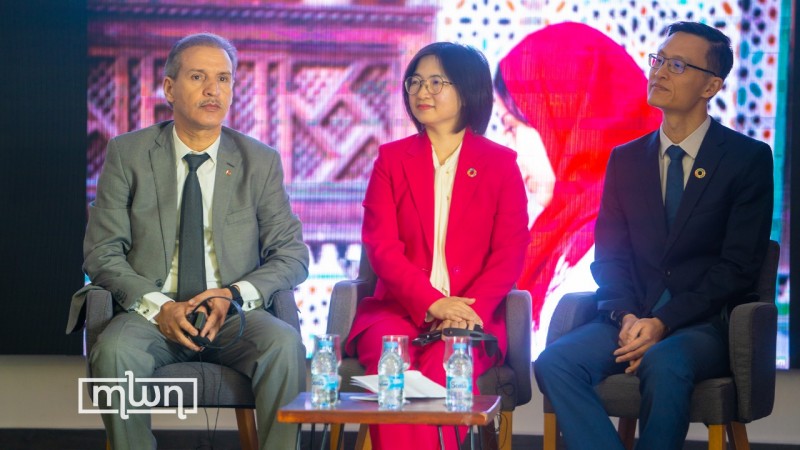
Mr Abdelouadoud Kharbouch, Director, National Agency to Combat Illiteracy (ANLCA) (left), Vicky Zhang Yuan, Vice President of Huawei Technologies (Centre)and Jian Xi Teng, Program Specialist, ICT and Lifelong Learning, UIL (Right)
This crucial process will be spearheaded by a four-day workshop that brings together a diverse group of stakeholders, including literacy experts, educators, academics, and representatives from civil society.
Through collaborative efforts, the participants will tailor the training modules to ensure their effectiveness within the Moroccan context, empowering educators to leverage technology for impactful teaching.
This initiative exemplifies the power of collaboration between various stakeholders. UNESCO, ANLCA, Huawei, and the Global Alliance for Literacy have strategically joined forces to empower educators, ultimately leading to a more empowered generation of learners.
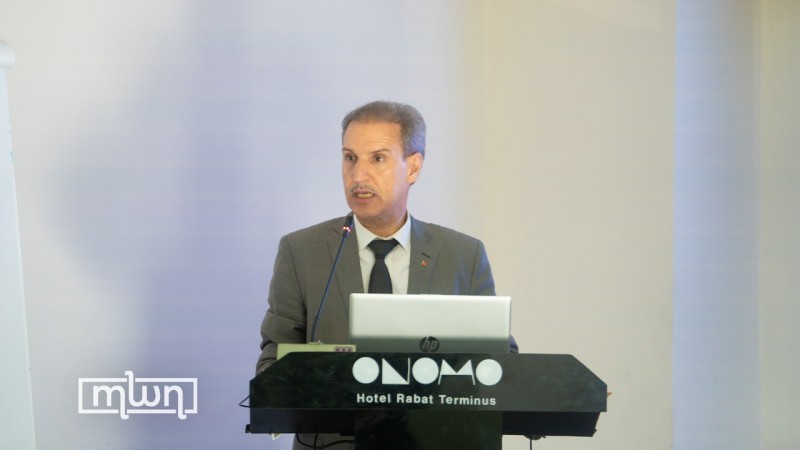
Mr Abdelouadoud Kharbouch, Director, National Agency to Combat Illiteracy (ANLCA)
“By strengthening the digital skills of literacy trainers, we are not only contributing to the empowerment of individuals but also fostering the sustainable development of communities,” underscored Eric Falt, Director of UNESCO’s Regional Office for the Maghreb in the press release about the event.
Technology as a catalyst for quality education
With the objective of training 10,000 literary educators across Morocco, Huawei aims, according to Yuan, “to provide them with the digital tools, the digital equipment to help them deliver literary education to local people more effectively.”
This goal of equipping educators with digital skills transcends mere technological familiarity. It empowers them to explore innovative teaching methods and access a wider range of educational resources.

Jian Xi Teng, Program Specialist, ICT and Lifelong Learning, UIL
The integration of ICT-enabled learning into the national curriculum aligns perfectly with Morocco’s commitment to achieving Sustainable Development Goal 4, which emphasizes ensuring inclusive and equitable quality education for all.
This initiative in Morocco builds upon the success stories of similar programs implemented in Bangladesh, Côte d’Ivoire, Egypt, and Nigeria.
The Global Alliance for Literacy’s core mission is built upon the foundation of sharing best practices and fostering a collaborative learning environment where countries can benefit from each other’s experiences.
Huawei: investing in the future of education
Huawei’s participation in this initiative underscores their unwavering commitment to supporting education and nurturing the development of digital talent.
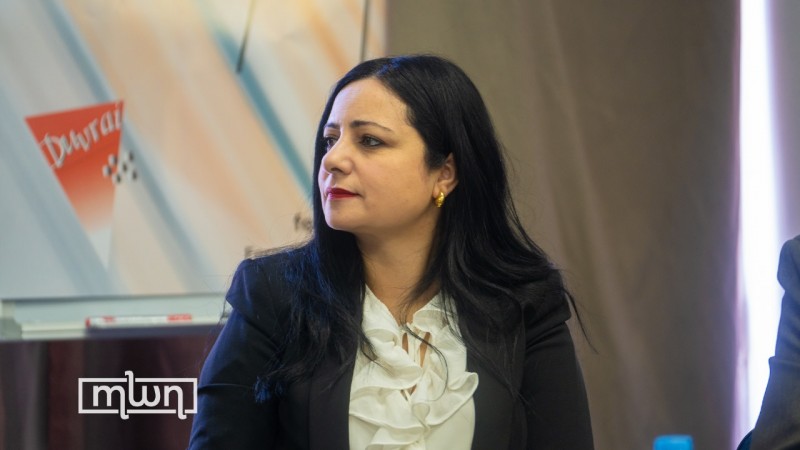
At the opening ceremony
“We firmly believe that the future will be driven by intelligent technologies, and digital talent is the key to unlocking this potential,” declared Yuan. “Literacy education serves as the bedrock for cultivating digital talent, which is precisely why we have joined forces with UNESCO UIL to develop this groundbreaking project.”
By equipping educators with digital skills and strategically integrating technology into teaching practices, Morocco is paving the way for a more inclusive and effective literacy program.
This initiative empowers not only educators but also learners, ultimately fostering a brighter future for literacy education in the digital age, with Huawei playing a critical role in this transformation.