


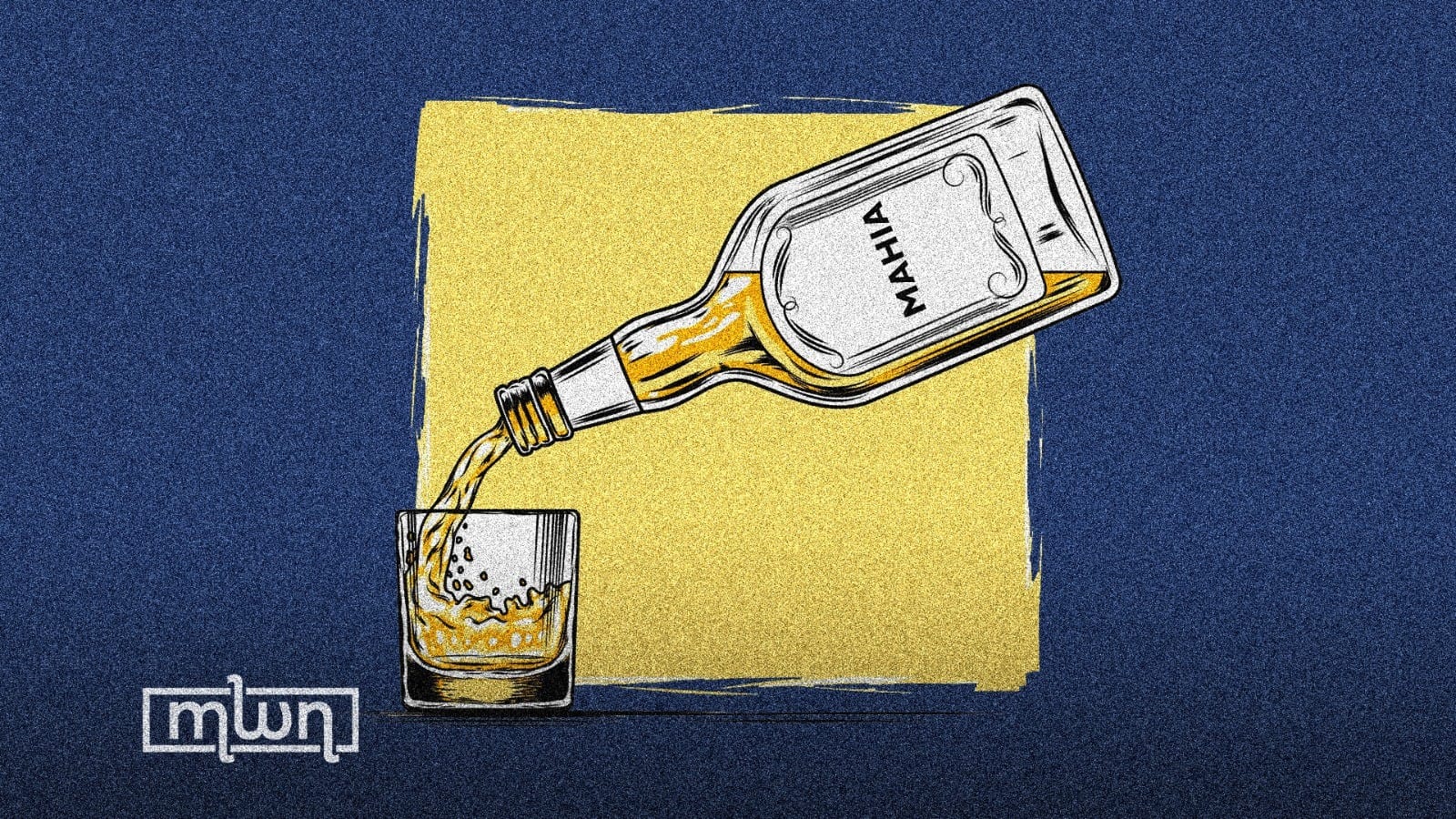
Marrakech – As dusk fell, anxious families kept vigil outside the Idrissi Hospital in Kenitra, known locally as the “forest hospital”. Amid the tense silence, a mother’s anguished cries pierced the air as she wailed over her son, who had just been admitted in critical condition. His dire state was the result of consuming poisoned Mahia, a traditional Moroccan-Jewish spirit, over the weekend with friends in the rural commune of Sidi Allal Tazi.
This heartbroken mother, beating her cheeks and crying out “I don’t want my son to die!” and “please God, heal him!”, encapsulated the scene of grief and the stench of death permeating in the hospital. Her despair was so profound that it momentarily distracted the other women anxiously awaiting news on their own sons’ fates, as the overwhelmed hospital struggled to cope with the influx of poisoned Mahia victims.
Videos surrounding the incident depict ashen faces and haunted eyes revealed the magnitude of the shock reverberating through the rural community. Residents rushed their sons, brothers and family members to the hospital in ambulances and private cars, desperately hoping to save them from the poison ravaging their bodies. The remote commune of Sidi Allal Tazi and its surroundings were suddenly thrust into the national spotlight, as Moroccans fearfully awaited the final death toll from the tainted Mahia.
These were scenes of the crisis that has gripped the Kenitra region, as what should have been a night of carefree drinking for many young men turned into a deadly catastrophe. But what exactly is this mysterious “poor man’s whiskey” known as Mahia? To understand this tragedy, we must delve into the history and origins of this deceptively lethal concoction.
What is Mahia?
Mahia, literally meaning “water of life”, is a brandy-like spirit that is traditionally distilled from dates or figs by Morocco’s Jewish community. With a history stretching back centuries, this potent liquor is comparable to tequila, served in small shot glasses and downed neat, although it can also be mixed into cocktails often with pomegranate or ginger juice.
Mahia production has long been the domain of Moroccan Jews, with written records from French explorers in the mid-19th century documenting its preparation. One account notes that the Jews of Oujda formerly made a type of anise-flavored Mahia, but production ceased due to the dwindling Jewish population – an old Makhzen decree only permitted distillation if the community exceeded 3000 members.
However, Mahia remained popular in the fig-growing regions of Fez, Meknes, Marrakech and Essaouira, which had larger Jewish populations. Across Morocco, the consumption of Mahia is steeped in ancestral rituals, most significantly during the Hevra Kadisha vigil accompanying the deceased’s soul.
Homemade and hazardous
Unlike industrially produced liquors, Mahia is a traditional homemade brew that has been crafted by Moroccan Jews for generations. Its manufacture is an art relying on skill and creativity rather than standardized processes and equipment.
The basic method involves burying figs underground for at least three weeks to ferment, or placing them in a barrel with bread yeast and allowing them to break down until the juice can be easily extracted. The process requires 8-10kg of figs, 1kg sugar, 4 liters of water and a cup of aniseed. Some recipes call for simmering the figs slowly in a pot until they reach the desired doneness.
It is precisely this unregulated, ad hoc production that makes Mahia so potentially dangerous, especially as unscrupulous or inexperienced brewers may introduce hazardous additives or contaminants. In the case of the Kenitra poisonings, investigators believe that a batch was tainted with toxic levels of methanol.
Read also: 13 People Die of Alcohol Poisoning in Northern Moroccan City
Ethanol vs methanol
To understand why contaminated Mahia can be so lethal, it’s important to recognize the difference between ethanol and methanol. Ethanol is the alcohol found in legally regulated spirits – while still intoxicating in high doses, it can be safely metabolized by the human body.
Methanol, on the other hand, is a highly toxic substance that can cause severe organ damage, blindness, coma and death if ingested even in small quantities. It is sometimes used as a cheap but dangerous additive by black-market Mahia brewers to increase the potency.
When methanol is consumed, the body attempts to break it down into formaldehyde and formic acid, which attack the central nervous system, eyes, and vital organs. Symptoms of methanol poisoning include headache, dizziness, nausea, shortness of breath, blurred vision, seizures and abdominal pain – all of which were tragically apparent in the Kenitra victims.
The moonshine menace
In many ways, the current Mahia crisis in Morocco parallels the “moonshine” epidemic that gripped America during the Prohibition era of the 1920s-30s. With the production and sale of alcohol banned, many turned to illegal homemade spirits of dubious quality and safety.
These unregulated moonshine stills frequently churned out liquor containing toxic levels of methanol, lead and other adulterants, leading to scores of deaths, blindness and disfigurement across the country. Rural communities with limited economic opportunities were especially vulnerable to the temptations of cheap, potent moonshine.
Today in Morocco, cut-rate Mahia selling for as little as 20 dirhams ($2) per liter has become similarly popular among marginalized groups and cash-strapped youth looking for an affordable buzz. Unscrupulous producers have been known to spike this “poor man’s whiskey” with methanol and other hazardous additives, turning shots of Mahia into potential death sentences.
In contrast, authentic properly made Mahia relies on high-quality ingredients and careful distillation by skilled artisans. This premium product, increasingly rare as Morocco’s Jewish population dwindles, can fetch upwards of 400 dirhams ($40) a bottle and is prized by connoisseurs. Tragically, it is the cheapest most dangerous versions of Mahia that are most accessible to those with the fewest alternatives.
A community in crisis
As the scale of the Mahia catastrophe in Kenitra becomes apparent, the human cost is incalculable, with at least 15 dead and 114 poisoned at last count. Entire families have been decimated, with victims as young as 20 falling ill after what should have been an ordinary weekend revelry.
Overwhelmed hospitals are struggling to save lives as desperate relatives keep vigil, waiting for word on their loved ones’ fates. Investigators are racing to trace the source of the tainted Mahia as the death toll continues to rise and fears mount that more poisoned stocks may still be in circulation.
This tragedy has cast a harsh light on the dangers of unregulated alcohol production and the particular vulnerability of marginalized communities. While premium Mahia crafted by skilled artisans remains a treasured tradition, the proliferation of cheap moonshine variants is a symptom of profound inequality.
Until the root economic and social disparities that drive demand for cut-rate liquor are meaningfully addressed, heartbroken Moroccan families will continue to count the cost of the Mahia menace, as illicit stills imperil lives for the sake of a few brief hours of intoxicated revelry and oblivion. The road to rehabilitation for the survivors and justice for the victims will be long, as will the work to regulate Mahia production and create viable alternatives for at-risk youth.
Read also: 95% of Moroccans Do not Consume Alcohol




