 Join on WhatsApp
 Join on Telegram
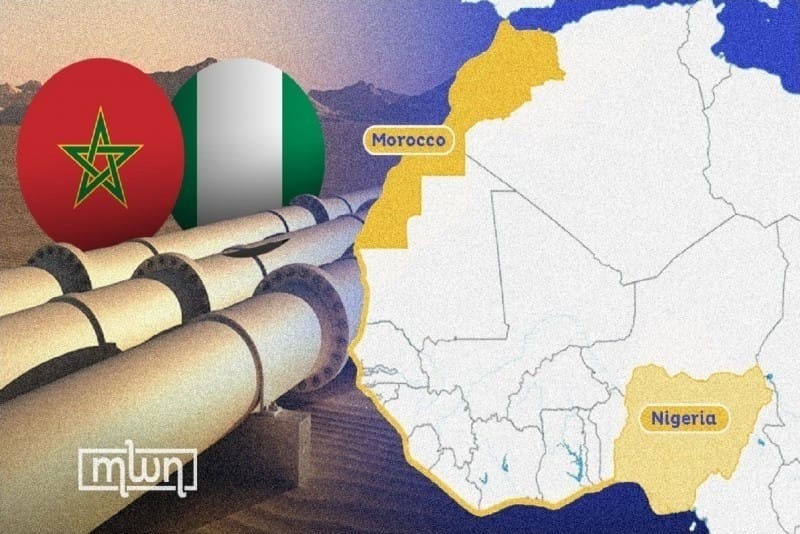
Rabat – The African Atlantic Pipeline project, connecting Nigeria and Morocco, is progressing “extremely favorably” thanks to the commitment of all the countries involved, according to Amina Benkhadra, Director General of Morocco’s National Office of Hydrocarbons and Mining (ONHYM).
The fruit of King Mohammed VI and former Nigerian President Muhammadu’s shared vision for intra-African integration and continental prosperity, aims to facilitate the export of Nigerian natural gas to European markets.
Speaking to MAP news agency, Benkhadra said that the project seeks to enhance energy access in the West African region, where some countries have an electrification rate below 40%.
She made the statement on the sidelines of a regional workshop for reviewing and validating the Intergovernmental Agreement (IGA) and Host Government Agreement (HGA) of the project. Taking place from August 27 to 30 in Abidjan, the event saw the participation of experts from the 13 participating countries.
“This flagship project represents the essence of South-South cooperation and will drive economic and social development, particularly through the growth of various industries, including the mining sector, given the substantial mineral resources in the participating countries,” Benkhadra explained.
She highlighted that these countries require sustainable energy for development. The pipeline project is expected to spur sustained growth and job creation, thereby helping to stabilize youth populations in the region.
Benkhadra also emphasized that the pipeline will foster greater regional integration by addressing the fact that Africa remains the least integrated continent globally.
Beyond its role in energy transport and access, the African Atlantic Pipeline project is also set to contribute to political, economic, and social stability in the region and enhance energy security both in Africa and between Africa and Europe, she added.
Benkhadra explained that the pipeline would enable the export of gas to Europe and contribute to the diversification of the continent’s sources of natural gas and reduce its reliance on existing suppliers.