 Join on WhatsApp
 Join on Telegram
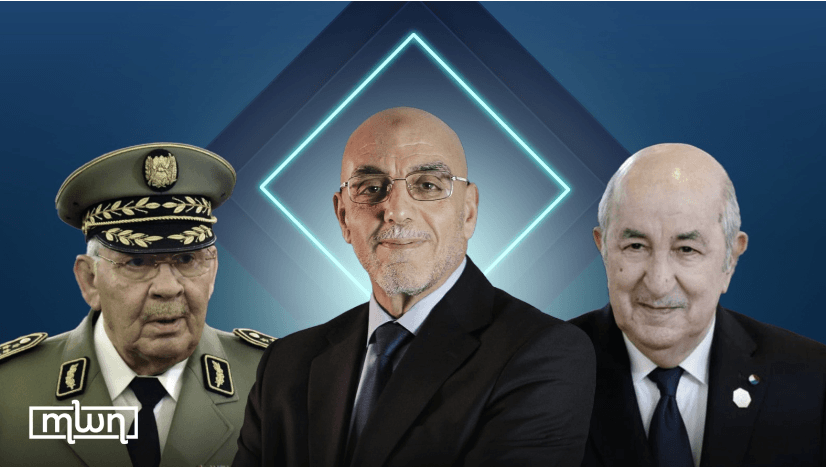
Rabat – Abdelaali Hassani Cherif, one of the Algerian candidates running for the upcoming presidential election, has attributed the ongoing tensions between Algeria and Morocco to the re-establishment of diplomatic ties between Rabat and Tel Aviv.
“I believe that the decision to normalize relations with the Zionist entity is the direct cause of tensions in Algerian-Moroccan relations,” he told Al Jazeera in a recent interview.
He further claimed that the decision had postponed any “desire for rapprochement between the two neighbors despite some modest contacts.”
However, the remarks made by Cherif – who is the president of the Movement of Society for Peace – miss the mark.
While Morocco and Israel officially re-established ties in 2020, attributing the long standing tensions between Algiers and Rabat to this development oversimplifies the issue.
In actuality, the roots for the tensions are far deeper, with the situation largely driven by Algeria’s well-seated hostility towards Morocco’s territorial integrity.
In the interview, Cherif acknowledged the real roots of the tensions, yet he framed these issues as conditions for resuming ties between Rabat and Algiers rather than addressing their underlying causes.
While he blames reestablishment of ties between Israel and Morocco, he omitted the crucial factor of Algeria’s persistent attempts to undermine Morocco’s territorial integrity, particularly through its support for the Polisario Front.
In the interview, he asserted that he believes restoring trust between Morocco and Algeria requires “rejecting normalization, addressing the new ambitions of the region’s former colonizers, ending colonialism, and recognizing the right of peoples to self-determination.”
By renewing his country’s hostile position, Cherif demonstrated his adherence to the regime’s hostility and signaled his commitment to prioritizing the Polisario Front’s claims.
The approach of using the Western Sahara card also appears to be part of Chrif’s election campaign to appeal to the regime as well as position himself as a favorable alternative to President Tebboune, who is also running for another term.
Algeria’s regime has relentlessly used much of its oil revenues and diplomatic firepower in Africa and the world stage to lobby to help the Polisario Front gain international sympathy and support for its independence claims within the international community.
The North African country has openly expressed frustration whenever Morocco garners growing support for its position, particularly regarding its credible and serious Autonomy Plan, which is widely viewed as the only viable solution to the Western Sahara dispute.
This discontent was also recently evident in Algeria’s manipulation of a meeting between Algeria and Slovenian foreign affairs ministers.
After the meeting, Algerian media attempted to exploit the meeting to disseminate disinformation, falsely claiming that Slovenia had supported the Polisario Front’s self-determination claims.
In response, Slovenia swiftly refuted the allegations, issuing a press release affirming its support for the UN-led political process and Morocco’s Autonomy Plan, further advocating for a mutually acceptable political solution based on compromise.
Algeria’s wave of frustration is further highlighted in the country’s responses to the growing international endorsement of Morocco’s position.
Notably, Algeria’s discontent was palpable when France expressed full support for Morocco’s sovereignty in July and again when Spain endorsed Morocco’s Autonomy Plan in March of 2022.