 Join on WhatsApp
 Join on Telegram
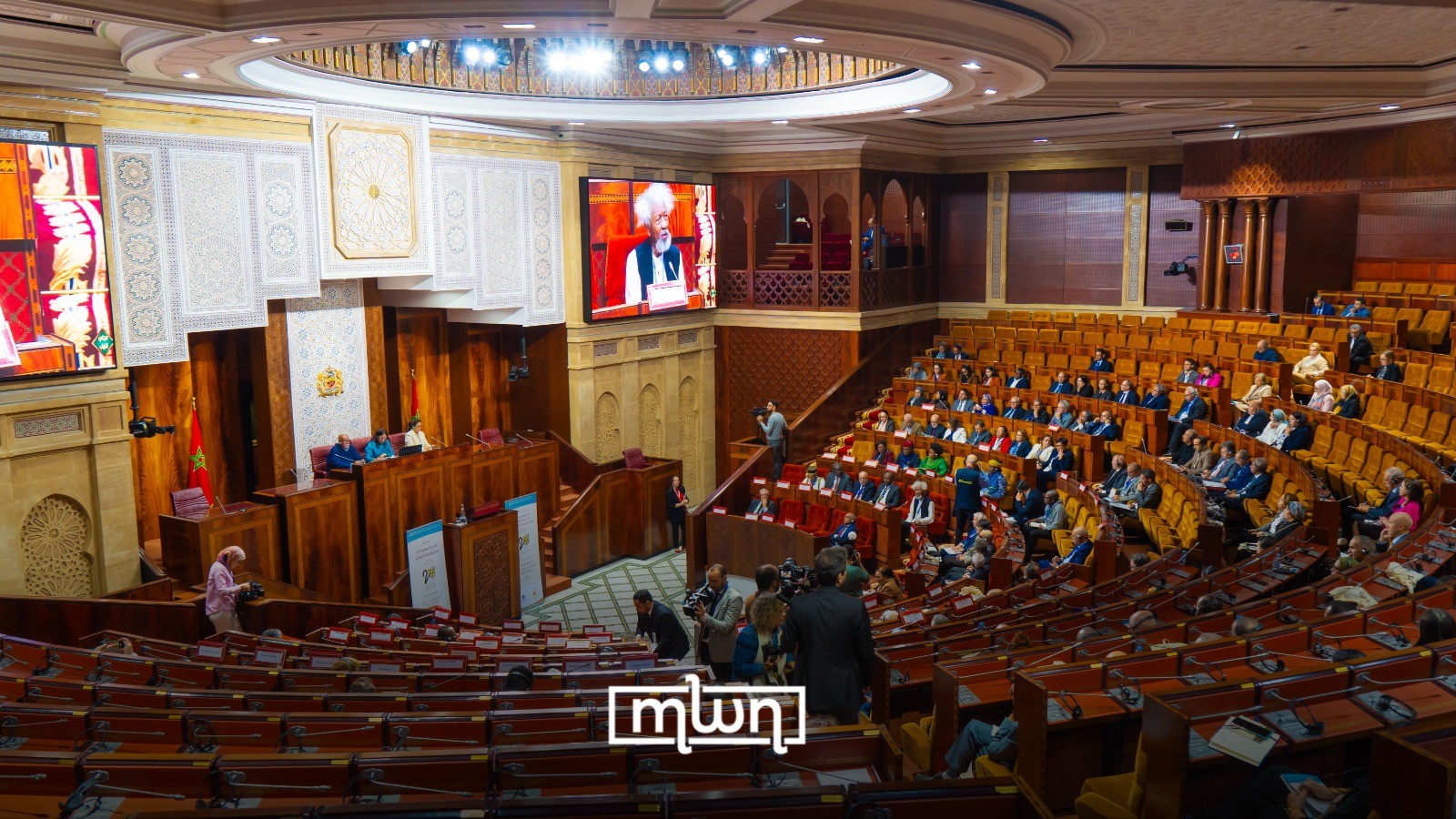
Rabat – King Mohammed VI has recalled Morocco’s remarkable journey through the process of transitional justice in his message to the participants in an international symposium in Rabat on transitional justice.
The event commemorates the 20th anniversary of the Equity and Reconciliation Commission under the theme “Transitional justice processes: for sustainable reforms.
In his message the monarch stated that the process has not only enabled a smooth democratic transition but also contributed to a “qualitative leap” in the country’s political process.
“Through the recommendations made by the Equity and Reconciliation Commission – which also made proposals on public policy and emphasized the need to further promote the constitutional protection of human rights – it was possible to lay down a regulatory framework for broad-based reforms,” King Mohammed VI said.
He added that his decision to establish the commission was a sovereign move that was part of the country’s proactive process for managing public affairs.
The concept primarily focused on making transitional justice a priority in Morocco’s democratic transition, and the monarch added that the project involved the integration of both the state and the citizens.
In his message, the King expressed satisfaction with the ongoing transitional justice process, noting that this process has enabled Morocco to achieve a “groundbreaking experience.”
The commission’s recommendations include steps towards a democratic transition. These include creating new mechanisms to address past violations, promoting and new and fair management of public affairs based on rule of law, and implementing constitutional and legislative changes.
“I was keen to make sure human rights were fully reflected in the constitution, in legislation and public policies, knowing that they range from the political to environmental sectors and from economic to social and cultural considerations,” the King said.
The monarch said that several Moroccan regions have achieved advances and closed the societal gap, noting that some of them have become leaders in the regional development process.
Referring to the Moroccan model of development in the southern provinces, the monarch said that this project received unanimous support and has succeeded in developing the regions, contributing to equal opportunities.
“As a result, the face of our recovered provinces has changed for the better,” he said, adding that southern provinces are an attractive destination for investment, home to both development programs and large infrastructural projects.
King Mohammed VI recalled the importance of boosting the development of the southern provinces in his latest Green March speech this past November. He noted that the government must ensure that the fruits of this progress benefit citizens in all regions of the country – from the Riff to the Sahara and from the Oriental to the Ocean.
Beyond the importance of the development model, the King also recalled that Morocco was the first to introduce the concept of transitional justice in Arab and African regions, noting that this experience has resonated in a number of Middle Eastern and North African countries.
“The Moroccan model has made a significant contribution to developing transitional justice – both as a concept and in practical terms,” he said, noting that this initiative also opened up new vistas in this realm at both continental and international levels.