
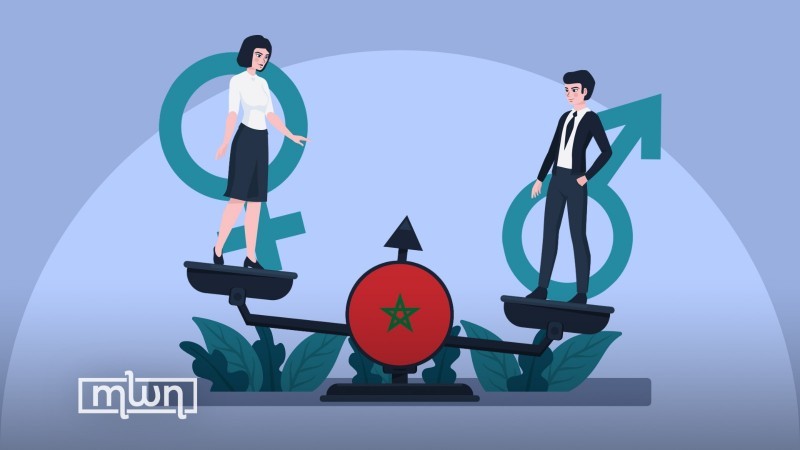
Rabat – US-based medical technology firm Hologic recently partnered with Gallup to release a comprehensive ranking that tells the story of women’s health around the world. And for Moroccan women, the results are grim.
Morocco placed 131st out of 141 countries in the latest Hologic Global Women’s Health Index, which assessed women’s health across five key dimensions: preventive care, emotional health, health and safety perceptions, basic needs, and individual health.
The data, analyzed for Year 4 of the index, reflects responses from 2023 and shows significant global and local challenges in women’s health.
Women in Morocco are no different. Daily, they face serious challenges because of weak women’s rights policies and persistent social and economic barriers.
Many women still struggle with limited access to education, healthcare, and job opportunities.
Discriminatory practices, gender-based violence, and legal systems that fail to protect their rights keep women in vulnerable, marginalized positions.
Without strong policies and proper enforcement, women cannot fully access their rights or achieve the basic freedoms they deserve.
Morocco’s performance through key indicators
The country scored 38 out of 100, significantly below the global average of 53. Here is how Morocco performed in each dimension:
– Preventive Care: 10
– Emotional Health: 50
– Health and Safety Opinions: 42
– Basic Needs: 55
– Individual Health: 57
This places Morocco among the bottom 20 countries globally, alongside Iraq, Togo, Chad, and others.
Afghanistan holds the lowest rank in the index, scoring 30 out of 100. This figure tells the harsh realities faced by women under the Taliban regime, where policies strip them of basic rights and freedoms.
Under the Taliban, women endure severe restrictions on their freedom of movement and face laws that enforce strict dress codes.
Many live without any form of protection against violence, leaving them vulnerable to abuse. Forced and child marriages remain common, denying countless women control over their own lives.
The Taliban’s actions have cut off access to education, healthcare, and essential services, creating an environment where inequality thrives and where women’s relegation to the second sex is the norm.
Global insights, a decline in preventive care
Globally, the index noted alarming trends, including a decline in cancer screenings. In 2023, only 10% of women worldwide reported being tested for any type of cancer, a drop from previous years.
Preventive care remains a critical area of concern, with limited screenings for high blood pressure (36%), diabetes (20%), sexually transmitted infections (10%), and HIV (6%).
The decline in preventive care mirrors a broader global trend. For example, HIV testing rates are particularly low across the Middle East and North Africa, where less than 0.5% of women were tested, in stark contrast to Uganda’s 41%.
Emotional health, lingering sadness and worry
Women’s emotional health remains fragile worldwide. In 2023, 30% of women reported sadness, 42% expressed worry, and 38% experienced stress. These figures show a slight improvement from the peak of the COVID-19 pandemic but still indicate widespread emotional distress.
In Morocco, these challenges resonate with a broader pattern of declining feelings of safety.
While 63% of women globally said they felt safe in their communities, this figure is down from previous years, and 35% reported feeling unsafe.
Basic needs, physical well-being
Basic needs remain unmet for many women, with 38% globally unable to afford food at some point in the past year—the highest rate since the Gallup World Poll began in 2005. Shelter insecurity also affects 32% of women.
Physical pain is another growing issue, with 34% of women globally reporting pain during much of the previous day. This marks an increase from 30% in Year 1 of the index.
Additionally, 26% of women reported health problems that hindered their ability to perform everyday tasks.
Top and bottom performers
Taiwan leads the index with a score of 68, followed by Kuwait (67) and Austria (66).
Other top performers include Kazakhstan, Saudi Arabia, and Finland.
Afghanistan ranks last at the other end of the spectrum with a score of 30.
For a better tomorrow
The index underlines the urgent need for systemic change to improve women’s health worldwide. Key recommendations include:
– Investing in evidence-based solutions: Governments and stakeholders must increase funding for initiatives that address gender-based violence and health disparities.
– Raising public awareness: Campaigns must educate communities on the importance of preventive care and equitable healthcare access.
– Policy reform: Establishing holistic women’s health policies and ensuring women’s voices are represented in decision-making processes are critical to addressing health inequities.
Women across the globe continue to face significant challenges, from unmet basic needs to limited healthcare access. Bold and coordinated efforts are essential to create a world where women can lead healthier, more secure lives
Read Also: Morocco Ranks Among Bottom 10 in Global Gender Gap Report