 Join on WhatsApp
 Join on Telegram
Rabat — Morocco is preparing to welcome the holy month of Ramadan, which is expected to fall either at the end of February or the beginning of March this year.
The Ministry of Islamic Affairs is yet to confirm the official date for Ramadan following moon sighting by religious authorities.
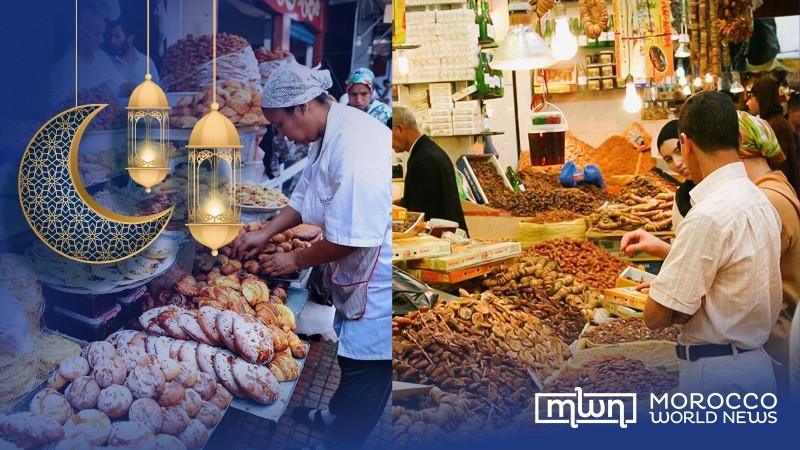
Ahead of Ramadan, Moroccan provinces are announcing measures to ensure a sufficient supply of consumer goods in local markets.
Under royal directives, the governor of Settat Province in the Casablanca region chaired on Thursday meeting to discuss the necessary measures and actions in place in preparation for Ramadan 2025.
The meeting is in line with a circular issued by the Minister of Interior, Abdelouafi Laftit, on January 7, to secure the consumer needs for essential goods and services during Ramadan.
“The goal is to strengthen and intensify monitoring campaigns and operations, particularly regarding prices, the quality, and quantities of these consumer goods, to preserve citizens’ purchasing power and ensure their health and safety,” a statement from the provincial authorities said.
The provincial government stated that the measures seek to mitigate the effects of the challenging economic situation, much due to lack of rainfall during consecutive years of drought.
He echoed the government’s concerns that this has affected the availability of agricultural and food products in local markets.
Morocco has been experiencing years of drought, which has diminished the country’s production.
The drought has especially affected cereal production, in addition to red meat, poultry, and fisheries, with many concerned about the exaggerated cost of commodities.
Locals are well aware that Ramadan is characterized by increased demand for food products and changes in consumption patterns.
To tackle imbalances or local dysfunctions in markets, the interior ministry frequently tasks committees to monitor commodities prices – especially during Ramadan.
Ramadan is the ninth month in the Islamic calendar when Muslims abstain from drinking and eating from dawn to sunset for 29 or 30 days, depending on the crescent moon sighting.
Fasting hours also differ from one region to another, depending on countries’ time zones.