
 Join on WhatsApp
 Join on Telegram
Rabat – Bilateral ties between Morocco and France are blooming, yet so are reports carrying anti-Morocco rhetoric – especially among French and Spanish mainstream news outlets – which often criticize their governments for maintaining good relations with Rabat.
The editorial line in these reports is often influenced by biased narratives orchestrated by external sources like so-called activists, paid lobbies hired by foreign entities, or countries that challenge the country’s territorial integrity.
A recent report by French television channel M6 is one of the latest maneuvers that observers view as a move aimed at Morocco.
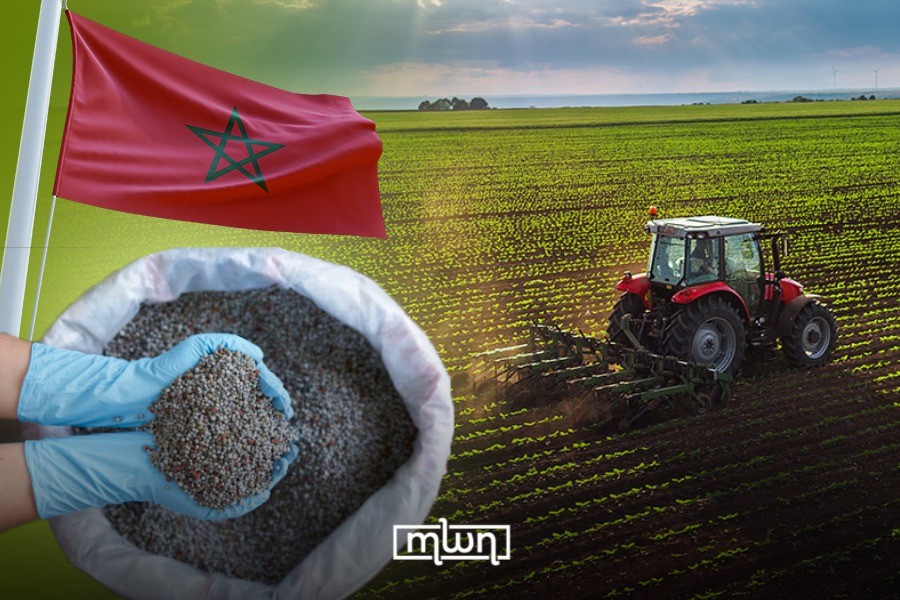
The report, published on January, 26, carried serious allegations about Morocco’s fertilizers, suggesting that they contain high levels of cadmium. The substance is a harmful heavy metal that can cause severe and irreversible damage.
Similar claims indirectly target Morocco’s ties with France, as relations between the two countries are on a positive momentum – especially after Paris’ recognition of Morocco’s sovereignty over its southern provinces in Western Sahara.
“Why are we so contaminated with cadmium compared to other countries? The answer mainly lies on the other side of the Mediterranean, in Morocco. This is where most of the phosphate used in French fertilizers comes from,” the televised report claimed, suggesting that Moroccan phosphate has cadmium levels “much higher than those of other countries.”
The channel went on to further paint a narrative saying that these alleged high cadmium levels should threaten Morocco’s exemption to European Union (EU) customs duties.
“What is remarkable, is that Morocco has cadmium in its phosphates but doesn’t pay customs duties to enter the European Union, whereas other producers, whether Americans, Russians, or Saudis, do have customs duties despite having higher quality phosphate without cadmium,” the report added.
Read also: Morocco Rejects HRW’s Rights Violation Allegations
The allegations echo anti-Morocco rhetoric often used by pro-Polisario activists or Algeria’s regime, who have been targeting the North African country’s interests at a time when Rabat is gaining international support – particularly in the EU and Africa.
Several countries have joined a growing list of countries that support Morocco’s territorial integrity by backing the Autonomy Plan as the most serious and credible political solution to the dispute.
The situation continues to cause frustration among Polisario and its supporter Algeria – which has been facing not only global isolation but also worsening bilateral ties with France and any other country that vocally supports or advocates for Morocco’s territorial integrity.
In Africa, Morocco’s southern provinces in Laayoune and Dakhla now hold diplomatic missions representing nearly 40% of African Union member states.
Morocco has also prioritized its Africa-first policy by maintaining good bilateral ties with African countries that seek to partner with the North African country to cooperate and exchange expertise within a range of fields, including counterterrorism.
Through well-documented initiatives and efforts, Morocco has been committed to African sustainable development to address the continent’s pressing challenges – particularly food insecurity.
The country’s fertilizer industry frequently announces intercontinental initiatives aimed at empowering African farmers, providing them with essential inputs and services directly supporting their agricultural productivity.
The overall aim of these projects is to boost farmers’ yields and foster sustainability and lasting economic growth.
As such, Morocco works together with local African companies and government-led initiatives to help smallholder farmers with projects that encourage the use of fertilizers, and soil fertility mapping, among other efforts.
Morocco’s commitment to fertilizer regulations
In a stark contrast to the recent report by the French M6 TV channel, evidence shows that Morocco’s phosphate fertilizer exports consistently meet and exceed EU regulations, particularly regarding cadmium levels.
The EU 2019/1009 standards, which came into effect in 2022, enforce that the maximum allowable cadmium content in phosphate fertilizers is set at 60 milligram per kilogram (mg/kg) of P2O5.
Not only has Morocco adhered to these standards but has continued its commitment to quality and safety.
As of January 1, 2025, all of Morocco’s phosphate fertilizers exported to European markets contain less than 20 mg/kg of P2O5 of cadmium, significantly below the required threshold.
These high-quality standards position Moroccan fertilizers well within the EU’s voluntary labeling scheme for “low cadmium content” products, demonstrating the North African country’s dedication to exceeding regulatory requirements.
“Morocco has always operated with the strictest respect for standards and regulatory provisions in force in its destination markets,” a source familiar with the issue told Morocco World News (MWN).
This is particularly significant given the growing global concern over food safety and agricultural sustainability.
As one of the world’s leading phosphate exporters, Morocco plays a crucial role in global agricultural supply chains. The strict compliance with EU regulations is part of substantial investments in quality control and production processes.
Morocco’s proactive approach to ensuring cadmium levels are well below the required limits signals its commitment to being a responsible global supplier of agricultural inputs.
This development has provided important quality assurances for European farmers who rely on phosphate fertilizers for crop production. Access to high-quality fertilizers helps ensure the safety of agricultural products while maintaining optimal crop yields and ensuring food security for importing nations.
In this way, Morocco has proven it is able to balance industrial-scale production with stringent environmental and safety standards. This approach aligns with global trends toward more sustainable agricultural practices and stricter environmental and safety regulations.
The country also continues to invest in research and development to further improve its production processes and maintain its position as a reliable supplier of high-quality phosphate fertilizers to global markets.
Morocco takes global, regional lead in phosphate fertilizers
In November 2024, the country launched its Farmer Service Centers (FSC) project in Rwanda in collaboration with USAID, providing services including soil fertility mapping and a farmer’s credit scoring model.
The plan aims to boost farmers’ yields and foster sustainability and lasting economic growth in Rwanda, including additional services that provide services to farmers across centers, seven of which target 150,000 farmers across the country.
Morocco has also deepened its agricultural partnership with Kenya through a significant soil mapping initiative, demonstrating the country’s commitment to precision agriculture in East Africa.
This collaboration with Kenya’s Ministry of Agriculture and Livestock Development marks a shift from simply supplying fertilizers to providing customized solutions based on specific soil needs, benefiting over 100 participants.
Read also: Morocco’s Strategy for Food Security, Fertilizer Sustainability in Africa
This partnership exemplifies how Morocco’s fertilizer expertise is contributing to agricultural development in Africa while strengthening bilateral ties, as evidenced by the country’s strong financial performance with over $5 billion in revenue in the first half of 2022 and projections for continued growth in demand.
Looking beyond Africa, reports last year in September cited that Moroccan fertilizer exports to the EU tripled in July of the same year. They reached €111 million, making Morocco the second position among the EU’s suppliers just behind Russia.
Meanwhile, Morocco’s exports of phosphate fertilizer provide vital nutrients for farmers in the United States, a country that has similarly rigorous regulations on products that enter the country. This trust from US farmers and suppliers is a further testament to the quality of Morocco’s fertilizer products.
The industry’s vital diplomatic role
Morocco’s dominant position in the global and regional phosphate market enables the country to leverage the resource as an increasingly powerful diplomatic tool, particularly in its relations with African nations.
As one of the world’s largest phosphate exporters, controlling approximately 70% of accessible global phosphate reserves, Morocco has strategically used this resource to strengthen its diplomatic ties across the continent.
Through this position, Morocco has developed preferential partnerships with numerous African countries, offering favorable terms for fertilizer supplies and agricultural development programs.
This resource-based diplomacy has proven especially effective as African countries face worrying food security issues and fertilizer shortages.
Through initiatives like fertilizer donations and technical assistance programs, Morocco has positioned itself as a crucial partner in Africa’s agricultural development while simultaneously garnering diplomatic support for its geopolitical interests.
Although Morocco continues to face repeated hostile narratives in foreign media, as was seen with the French M6 TV report, the North African country’s dedication to high standards and protocol and increasing international trade partnerships speak for themselves.