 Join on WhatsApp
 Join on Telegram
Moving to Morocco from the United States opens the door to a rich cultural experience where ancient traditions meet modern life. This North African nation offers a unique blend of Arab, Berber, and French influences, alongside a growing expat community and relatively affordable living costs. While the transition comes with its challenges, from navigating bureaucracy to adapting to new cultural norms, proper preparation can help you make this exciting move successfully.
This guide provides essential information to help you plan and execute your relocation to Morocco. Whether you’re moving for work, retirement, or adventure, we’ll cover the key aspects you need to consider, from practical matters like documentation and housing to cultural adaptation and daily life.
Essential Documentation
Initial Entry Requirements
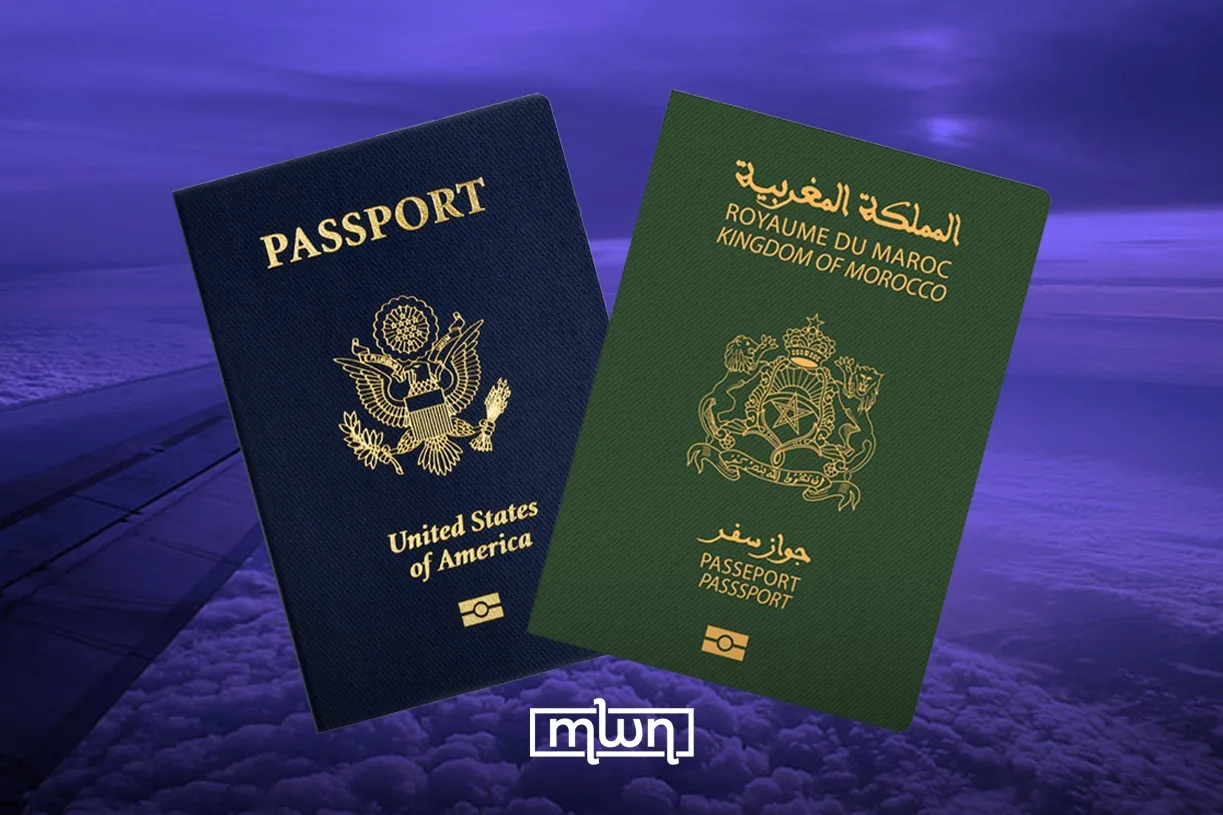
As a US citizen, you can enter Morocco for up to 90 days without obtaining a visa in advance. Your passport must be valid for at least six months beyond your planned stay, and you should have at least two blank pages for entry stamps. While tourist visas aren’t required for short stays, you’ll need to complete an entry card upon arrival, which you should keep with your passport throughout your stay.
Residency Permit (Carte de Séjour)
To stay beyond 90 days, you must obtain a residency permit known as a Carte de Séjour. The application process should begin within the first month of arrival. You’ll need to visit the local police station in your district with your documentation. Required materials include your passport, multiple passport-sized photos, proof of financial means (bank statements or employment contract), proof of accommodation (rental contract or property deed), and a clean criminal record check from the United States.
Employment Authorization
If you plan to work in Morocco, you’ll need additional documentation. Your prospective employer must obtain work authorization from the Ministry of Employment and Professional Integration. This should be arranged before your arrival and requires proof of your qualifications, a signed work contract, and documentation showing why the position couldn’t be filled by a local candidate.
Document Authentication
All official US documents, including birth certificates, marriage certificates, and academic credentials, must be authenticated. This requires a multi-step process: first obtaining an apostille from the US State Department, then having documents translated into Arabic or French by a certified translator in Morocco. Keep both original and translated copies of all important documents.
Registration Requirements
Within your first weeks in Morocco, you should register with the US Embassy in Rabat through the Smart Traveler Enrollment Program (STEP). This ensures you receive important safety updates and makes it easier for the embassy to contact you in emergencies. You’ll also need to register with local authorities in your district of residence as part of the Carte de Séjour application process.
Housing and Location
Major Cities Overview
Casablanca serves as Morocco’s economic hub, offering the most job opportunities and modern amenities, though at higher living costs. Rabat, the capital, provides a calmer atmosphere with excellent infrastructure and a significant diplomatic presence. Marrakech attracts many expats with its vibrant culture and tourism industry, while Tangier offers a unique blend of European and Moroccan influence. For a more authentic Moroccan experience, consider Fez or Meknes, though these cities may present more language and cultural adaptation challenges.
Neighborhood Selection
Most expats initially settle in modern neighborhoods called “Ville Nouvelles” or in areas with established international communities. In Casablanca, neighborhoods like Gauthier, Racine, and Anfa offer western-style amenities and housing. Rabat’s Agdal and Hassan districts are popular among diplomats and professionals. Research the proximity to your workplace, international schools, and essential services when choosing a location. Modern developments often provide better infrastructure but at higher costs than traditional neighborhoods.
Rental Process
The Moroccan rental market operates differently from the US system. Most properties are rented through word-of-mouth or local real estate agents (simsar). Long-term rentals typically require a one-year commitment with three months’ rent as security deposit. Lease agreements should be notarized, and it’s advisable to have a local friend or colleague review contracts. Monthly rent in upscale areas ranges from 5,000 to 12,000 MAD ($500-1,200) for a modern two-bedroom apartment, while traditional neighborhoods offer more affordable options.
Setting Up Your Home
Utilities must be transferred or initialized under your name, requiring your residency permit and proof of address. Electricity (provided by ONE) and water services may require substantial deposits. Internet services are widely available in urban areas, with major providers including Maroc Telecom, Orange, and Inwi. For furnished properties, carefully document the condition and inventory of all items before signing the lease. Consider hiring a professional to check electrical and plumbing systems, as building standards may differ from US expectations. Having professional Morocco international movers help move, even internationally, can also help expedite the process and remove any unneeded stress.
Cultural Considerations
Housing in Morocco often reflects local cultural norms. Traditional homes (riads) in the medina offer authentic experiences but may require adaptation to Western lifestyles in terms of amenities. Modern apartments often come with Western-style amenities but may still feature local elements like bidets and satellite TV for local channels. Some buildings have prayer rooms or communal spaces that reflect local customs. Understanding and respecting these cultural aspects will help you integrate better into your new community.
Common Challenges
Moving to Morocco inevitably comes with adjustment periods and obstacles that most expats face during their transition. The language barrier presents the first significant challenge, as daily life requires navigating a mix of Darija (Moroccan Arabic) and French, with English being limited outside tourist areas. Meanwhile, Moroccan bureaucracy operates at a distinctly different pace than what Americans expect, with processes like obtaining a Carte de Séjour often taking weeks or months rather than days.
The cultural adjustment extends beyond language to the very rhythm of daily life, from prayer-time-based business hours to different social norms and gender dynamics. Infrastructure and healthcare also require advance planning – while private clinics in major cities offer quality care, most expats maintain both local and international health coverage and should establish relationships with English-speaking healthcare providers before any emergency arises.
Final Thoughts
Relocating to Morocco represents both an adventure and a challenge, requiring equal measures of preparation and flexibility. While the initial months may test your patience as you navigate new systems and cultural norms, the reward is living in a country rich with history, warm hospitality, and diverse experiences.
Many Americans who have made this transition find that the key to success lies not in expecting things to work as they do back home, but in embracing Morocco’s unique way of life.
Remember that building a support network, both among fellow expats and local Moroccans, will prove invaluable during your transition. Take time to explore your new home, learn the language at your own pace, and approach challenges with patience and humor. Morocco has a way of teaching its residents to slow down and appreciate life’s daily rhythms – something many come to see as the country’s greatest gift to those who choose to make it their home.