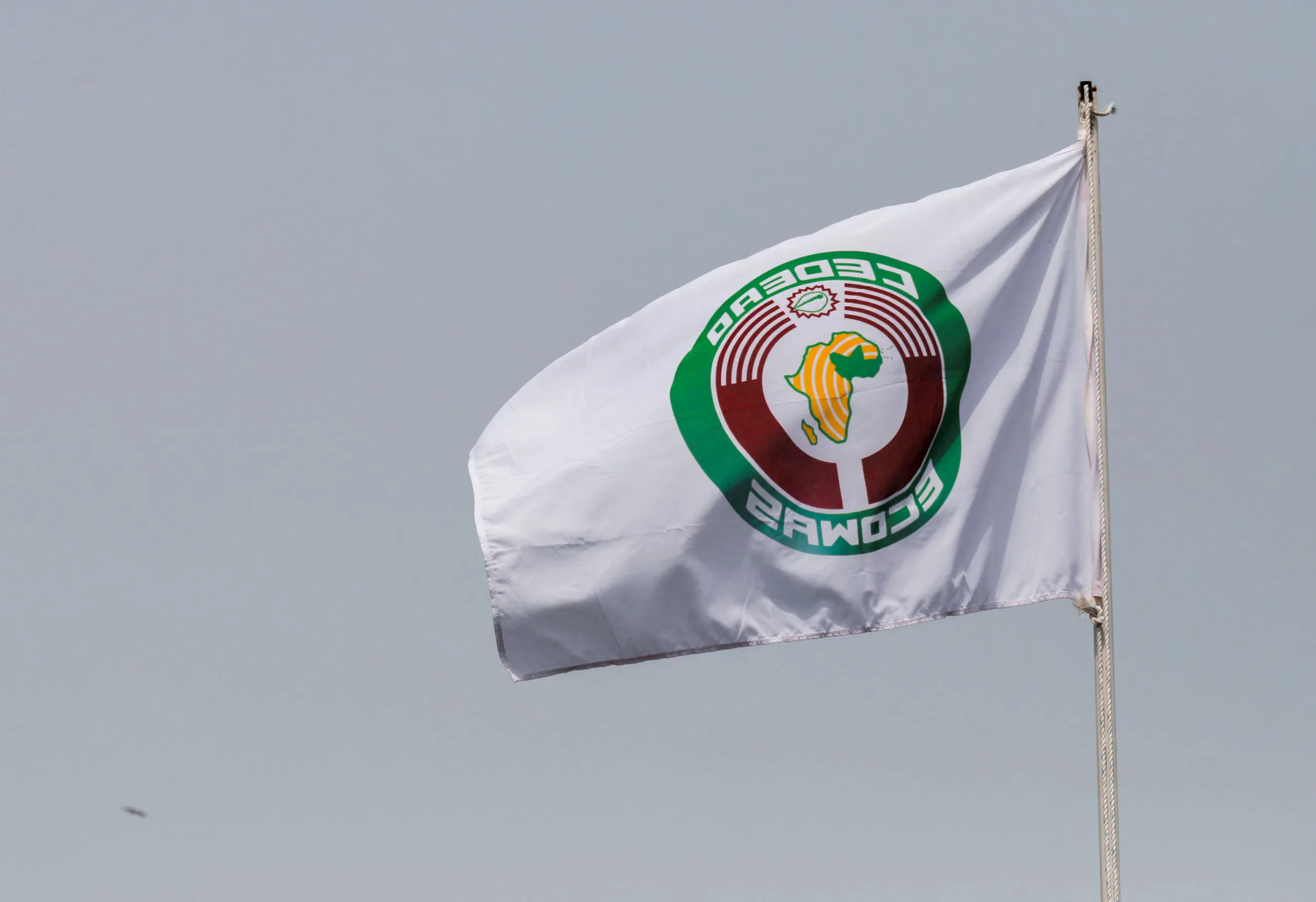
Rabat – The Economic Community of West African States (ECOWAS) expressed grave concern on Wednesday as tensions between Algeria and Mali intensified over a controversial drone incident that has deepened an already strained relationship between the two countries.
The dispute, which began last week, has led to major diplomatic tension and military actions, including the closure of airspace and the withdrawal of ambassadors.
The tension ignited on April 1, when Algeria claimed that it had shot down an armed reconnaissance drone that entered its airspace. However, Mali responded by accusing Algeria of downing a drone over Malian territory, a claim Algeria quickly dismissed as unfounded.
What followed was a series of escalating diplomatic moves that left both countries on edge.
On Sunday, Mali, along with its allies Niger and Burkina Faso, all governed by military juntas, withdrew their ambassadors from Algeria. Algeria swiftly reciprocated the move. By Monday, the situation had worsened, with both countries closing their airspace to each other’s aircraft, a dramatic measure that has only fueled fears of further escalation.
ECOWAS, in a statement, urged both sides to “de-escalate the tension” and turn to dialogue, emphasizing the need for regional cooperation and the use of existing mechanisms to resolve their differences. The West African bloc’s appeal reflects growing concern over the potential ripple effects of the dispute on regional stability.
The situation also led to Mali’s withdrawal from the Sahel region’s joint military committee, CEMOC, which includes Algeria, Mali, Niger, and Mauritania.
In Bamako, Mali’s capital, the tension spilled onto the streets. On Tuesday, around a hundred young protesters gathered outside the Algerian embassy, voicing their discontent with Algeria’s actions. It was a poignant reminder of how quickly diplomatic spats can filter down to the streets, as public sentiment in Mali increasingly turns against its northern neighbor.
Algeria’s involvement in the Sahel region, particularly in countries such as Mali and Burkina Faso, is broadly seen as part of a holistic effort to destabilize many countries. While Morocco continues to gain global support for its position on the Western Sahara issue, Algeria remains steadfast in its efforts to challenge Morocco’s territorial integrity.
For years, Algeria has supported the Polisario Front, a separatist group that seeks independence for Western Sahara, with the aim of undermining Morocco’s control over its southern territories.
As both countries brace for the fallout from the standoff, the role of ECOWAS becomes increasingly critical. The bloc’s call for dialogue offers a glimmer of hope, but the path to reconciliation looks thorny.