
 Join on WhatsApp
 Join on Telegram
Rabat – The Delegation of the European Union to Morocco announced on Tuesday that trade between Morocco and the European Union exceeded €60 billion ($65 billion) in 2024.
In a statement issued during the International Agricultural Fair in Meknes (SIAM), the delegation emphasized the strong economic ties between the two partners. The EU is Morocco’s largest trading partner, accounting for nearly half of its imports and about two-thirds of its exports. It is also the main source of foreign investment in the country, contributing over half of total inflows.
Agricultural trade reached a record €7 billion ($7.6 billion) in 2024, representing 12% of total goods exchanged between the two sides. Notably, Morocco recorded a trade surplus of more than €1.4 billion ($1.5 billion) in the sector.
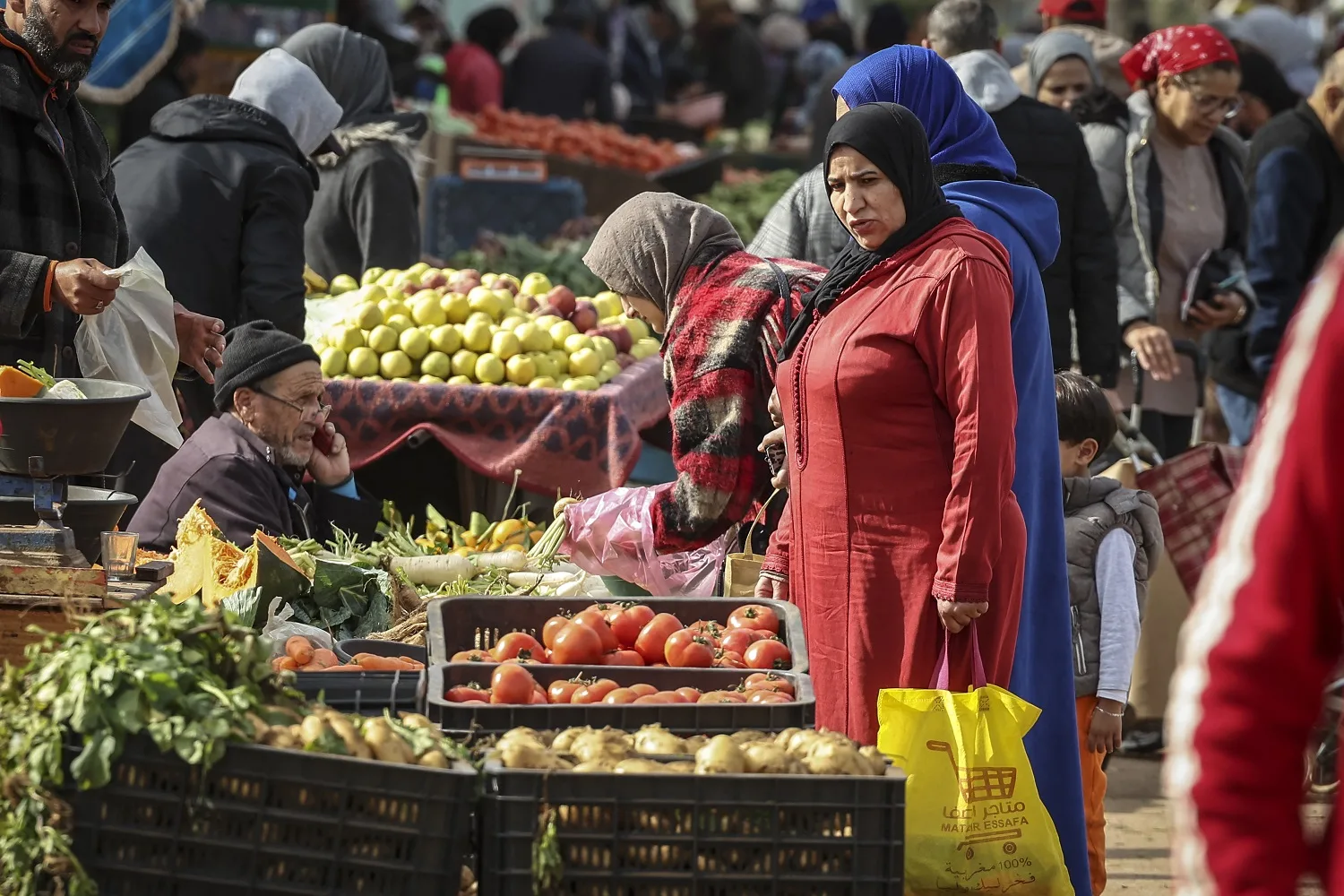
Morocco was the EU’s leading vegetable supplier last year, with export volumes topping 1 million tons and generating €1.7 billion ($1.84 billion) — up 7% from 2023. Tomatoes accounted for the bulk, making up 29% of Morocco’s agricultural exports to the EU by value. Tomato exports rose 3% to €1 billion ($1.08 billion), while volumes increased 18% to 581,000 tons.
Since 2012, the agricultural agreement between Morocco and the European Union has allowed for increased liberalization of trade in agricultural and fisheries products, giving Moroccan goods — especially tomatoes, citrus fruits, and early vegetables — greater access to the EU market through reduced tariffs and streamlined regulations.
In return, European agricultural products have gained improved entry into Morocco. This agreement has significantly boosted Morocco’s export potential and trade surplus in the agricultural sector. Additionally, Morocco has held “advanced partner” status with the EU since 2008, making it the first non-European country to receive such recognition.
This status not only deepens political, economic, and social cooperation, but also allows Morocco to participate in a range of EU programs and benefit from European funding and technical support. It also facilitates alignment with EU standards and promotes collaboration in areas such as education, infrastructure, governance, sustainable development, and migration.