
 Join on WhatsApp
 Join on Telegram
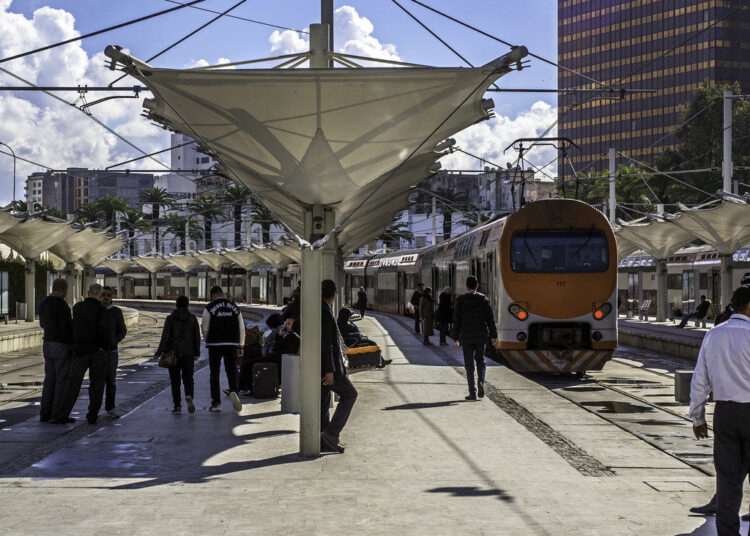
Rabat – The Ministry of Transport and Logistics and the National Railways Office (ONCF) opened the new Taza railway station on Thursday, a MAD 50 million ($5 million) project that brings a modern facility to the city and expands Morocco’s rail network.
Transport Minister Abdelssamad Kayouh and ONCF Director General Mohamed Rabie Khlie led the ceremony, joined by local authorities including the governor of the province.
Kayouh and the delegation toured the station, which stretches across 1,700 square meters.
The building includes a 520-square-meter reception hall, a 150-square-meter passenger area, and 260 square meters of commercial space. In front, an 18,300-square-meter esplanade opens onto a parking lot that holds more than 70 cars.
The minister said the new station fits into King Mohammed VI’s vision to create a new generation of railway hubs in emerging cities and bring the service closer to citizens.
He pointed to the Taza-Fez route, heavily used by residents, and confirmed the addition of a morning train from Taza with a return service in the evening.
Starting September 15, ONCF will add two daily train connections between Taza and Fez. The offer will also include a new Supratours link to Al Hoceïma, with two round trips per day.
Kayouh added that the study for the Oujda-Rabat rail line is near completion. He announced that ONCF plans to introduce electric trains by 2029, offering faster and more comfortable travel.
Khlie said ONCF has invested in every station across the country through new construction and rehabilitation.
He described the Taza station as a structuring project that will attract new development, including hotels, shops, and housing in its immediate surroundings.
The director confirmed that ONCF will increase services from Taza beginning September 15, including a morning train to Fez, Rabat, and Casablanca that allows passengers to travel and return in the same day.
Officials say that the station, with its modern design and strategic location, stands as an urban landmark and a driver of socio-economic growth. It aims to ease travel for passengers, support local business, and confirm Taza’s role as a regional hub.
Morocco views the Taza station as one element of a wider national campaign to modernize infrastructure ahead of major international events, such as the FIFA World Cup in 2030.
Authorities are working to upgrade connectivity, transport, healthcare, and urban facilities across the country to meet rising demands and present Morocco as a hub capable of hosting such global gatherings.