
 Join on WhatsApp
 Join on Telegram
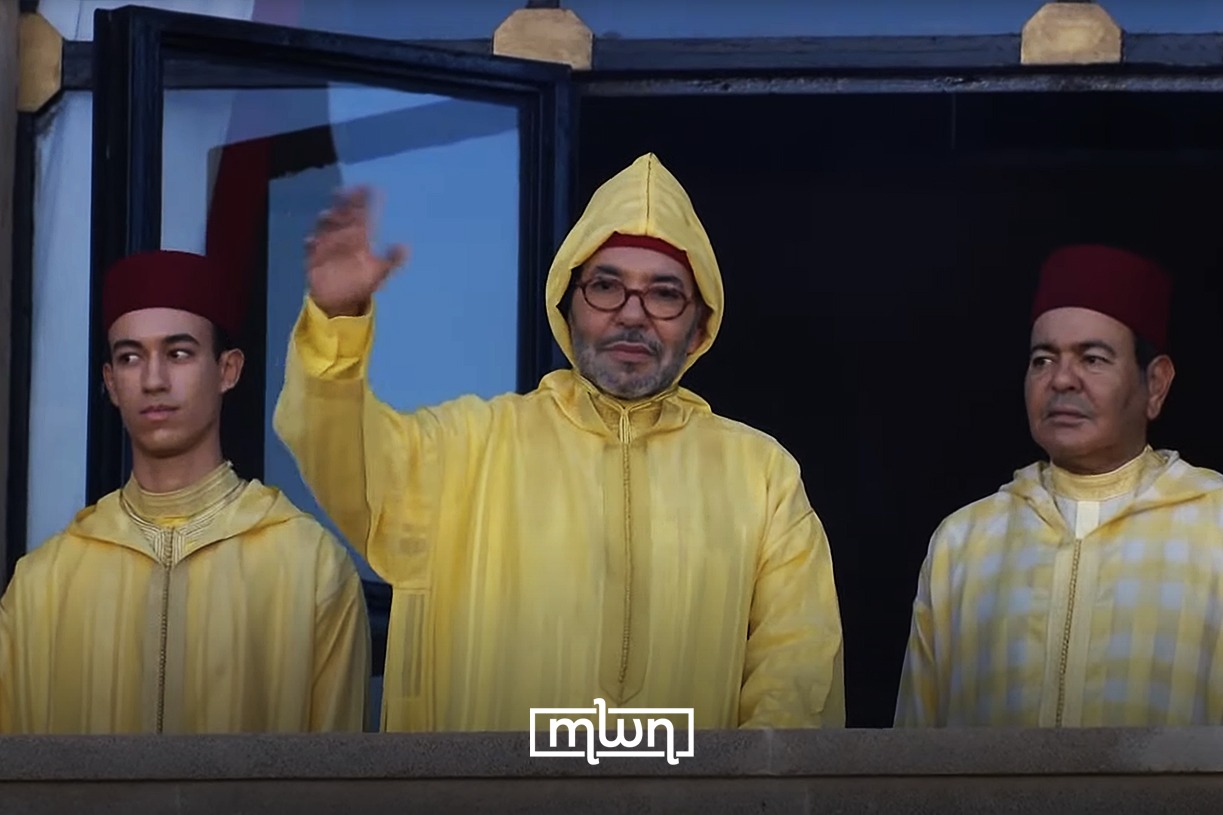
Rabat – King Mohammed VI chaired today the opening of the first session of the fifth legislative year of Morocco’s 11th Legislature at Parliament in Rabat.
In a speech that came amid escalating youth-led GenZ212 protests across the country, the monarch sought to reassert the central role of the state and institutions in steering Morocco’s future, while signaling a heightened urgency to respond to social demands.
His words struck a careful balance between continuity and renewed momentum. On one hand, the King reaffirmed Morocco’s long-term development trajectory; on the other hand, he issued pointed calls for speed, effectiveness, and collective responsibility.
‘We expect a faster pace and stronger impact’
The monarch recalled that the previous Throne Speech called for “accelerating the progress of the emerging Morocco” through a new generation of territorial development programs.
“We expect a faster pace and stronger impact from these programs,” he said, emphasizing that their implementation should be based on a “win-win relationship between urban and rural areas.”
King Mohammed VI further said that Morocco is “opening the door, through the dynamics we have launched, to achieving greater social and spatial justice, ensuring that everyone benefits from the fruits of growth and that all citizens enjoy equal opportunities in their political, economic, and social rights.”
The King placed social and spatial justice front and center. He said that “social justice and combating regional disparities are not an empty slogan or a temporary priority whose importance may recede.”
‘Responsibility of all institutions’
The King noted that informing citizens about public initiatives and laws that directly concern their rights and freedoms is essential.
“This matter is not the sole responsibility of the government,” he said, “but belongs to everyone, foremost you, members of Parliament, because you represent the citizens.”
He further stressed the role of political parties, elected officials, media, civil society, and all national actors, calling on them to take part in framing citizens’ understanding and participation in public life.
Jobs, health, education, and a culture of results
King Mohammed VI reaffirmed that the country’s development strategy must prioritize “supporting local initiatives and economic activities, providing job opportunities for youth, improving education and healthcare, and developing territorial areas.”
He noted that these efforts must be accompanied by a clear shift in governance and implementation methods. “The major transformation we seek in territorial development requires a tangible change in mindsets and working methods, and the genuine rooting of a culture of results,” the King said.
To achieve this, he called for the “optimal use of digital technology” and the reliance on “precise field data” to guide decision-making and measure performance.
The monarch stressed that efficiency should become a guiding principle for all public actions, adding, “We will not tolerate any laxity in the efficiency and productivity of public investment.”
King Mohammed VI urged all institutions to “combat practices that waste time, effort, and resources,” emphasizing that development goals must translate into concrete and measurable progress for citizens.
He also added that achieving the country’s development ambitions requires “mobilizing all energies” and maintaining collective commitment to Morocco’s strategic direction, noting that the transformation underway “goes beyond governmental or parliamentary timeframes” and must be sustained as a long-term project for an “emerging and united Morocco.”