 Join on WhatsApp
 Join on Telegram
In business, time is money—and delays cost both. If one department misses a deadline, it can slow down product launches, lead to customer dissatisfaction, and cost the company money that does not need to be spent. Most of the time, delays happen due to poor communication, lack of accountability and responsibility, or approvals becoming stuck. But this can often be prevented. Companies that know how to manage processes well don’t have these challenges, and keep their projects on track. Modern project management tools link systems together so that work may continue. This saves time and money.

Lark Messenger: preventing delays through instant communication
Lack of communication is one of the key reasons why initiatives fall behind. Teams waste a lot of time making sure everyone knows the details when changes get lost in email threads or are spread out among chat apps. Lark Messenger fixes this by putting all messages into organized channels that are specific to each project. Pinned messages bring attention to critical changes, and threaded answers keep track of the context so that decisions don’t get lost in the noise.
For example, picture a construction business that contracts other companies to do work for them. If a delivery of materials is late, the supplier posts an update on the Messenger channel. Site teams and project managers can see it right away and adjust their plans. They modify their schedules in real time instead of finding out about the delay on the site. Messenger reduces costly communication gaps and keeps minor problems from becoming worse.

Lark Calendar: keeping schedules visible and adaptable
Even when people talk to one another well, things can go wrong when schedules are not clear. Lark Calendar fixes this by giving everyone a single, clear timeline. Automatic time zone conversion makes sure that teams all over the world are on the same page, and provides a feature to check the availability, reducing the time people waste with schedule coordination. Shared calendars clarify details by showing how one department’s duties affect another.
Think about how a product might be released globally; sales needs to be trained, marketing needs the material to be done, and operations needs the supply to be confirmed—all on a predetermined timeline. The calendar shows all of the milestones at once, so you can understand immediately how delays may affect them. To avoid delays that could cause a failure launch, teams move deadlines ahead of time. Predictable scheduling cuts down on the extra costs that come with not being able to work together.
Lark Docs: ensuring plans are always up to date
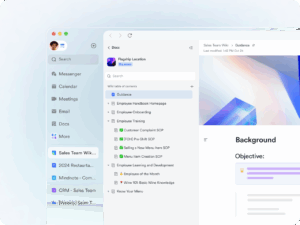
Static papers can easily slow things down. Teams can’t get anything done when they have to wait for someone to look at things by hand or work from old files. Lark Docs makes papers that adjust as you type. Version history makes sure everyone is responsible, comments display feedback in context, and more than one person can edit at the same time.
For instance, a consulting team can adjust a plan for a client when new market data comes in. As things happen, analysts update the numbers, management improves plans, and partners review changes straight away. Docs decreases the time it takes to get feedback, from days to hours. Docs fixes the problems that come up when people work on various versions of the same document, which can make projects take longer.
Lark Approval: speeding up sign-offs

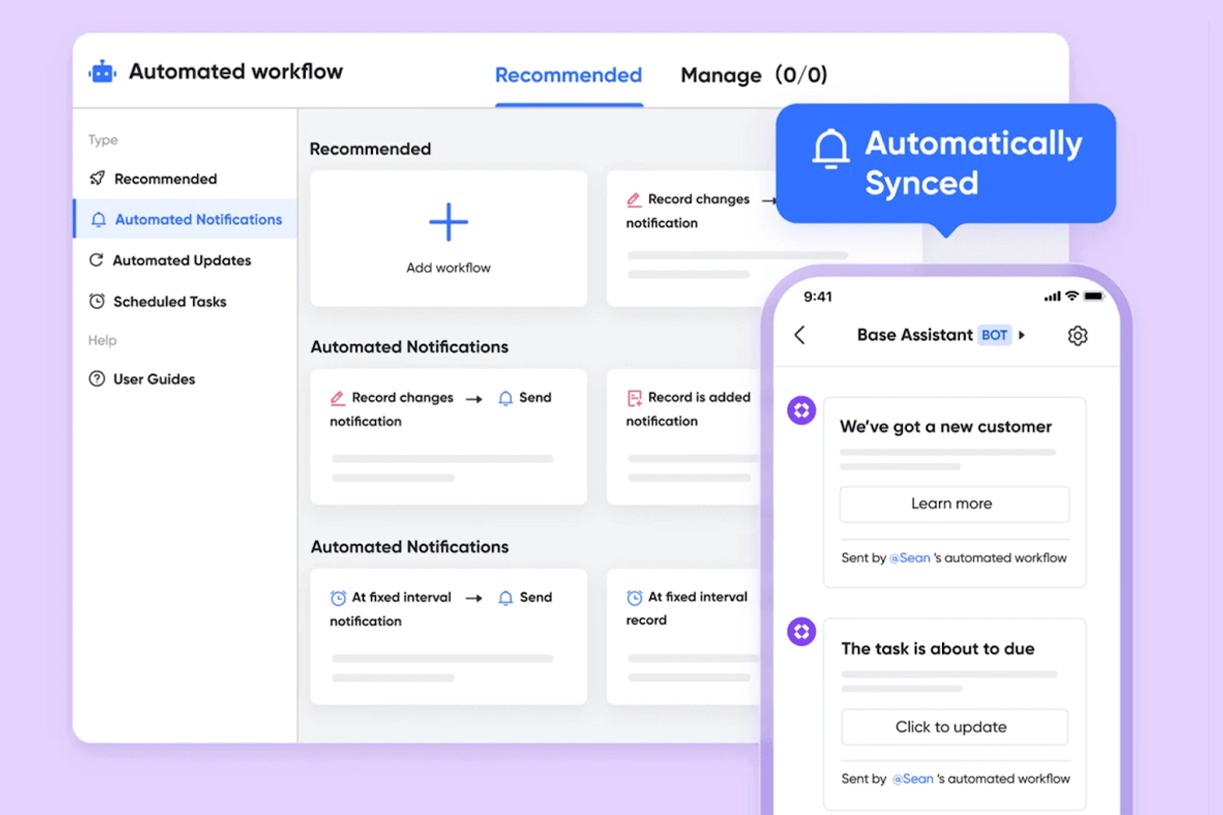
It takes a long time to get approvals, yet they are necessary. Requests that sit in inboxes for a long time can slow down budgets, contracts, or compliance checks. Lark Approval makes this easy by automating the process, sending requests to the right people to make choices, and making the status clear to people with permission. Staff can see how things are doing without having to check in all the time, and managers get reminders to accomplish tasks.
Automated workflow takes the system even further. For example, when someone requests a purchase, it sends a message to the manager in Messenger right away, asks you for approval or an audit, and marks the approval as done after it is signed. This stops bottlenecks that can slow down output in a supply chain that moves swiftly. Approval makes sure that essential procedures move as quickly as the organization wants by automating repeated tasks.
Lark Sheets: giving visibility into delays before they happen
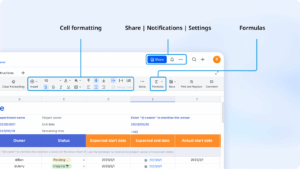
Sometimes, delays happen not because of permission or communication, but because people don’t have the necessary information. When companies can’t see data in real time, they usually identify problems too late. Lark Sheets solves this by delivering teams live, shared spreadsheets where they can work on and analyse data together. The sheet helps identify risks early on, so management can handle the issues before they get worse.
For example, a logistics company uses Sheets to keep track of shipments shipping to different places. The sheet receives the update immediately when one hub indicates it’s busy. Operations move goods to various routes to stop a chain reaction of late arrivals. Sheets helps organizations save money by turning data into proactive insights that cut down on hidden delays.
Lark Tasks: ensuring accountability for follow-through
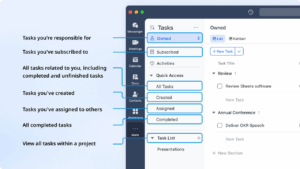
Even when plans are clear and permissions are in place, things may still be delayed if no one takes charge. Lark Tasks ensures accountability by providing each task with a clear owner, assigning deadlines, and keeping track of progress in real time. Managers can look at the interface that shows what’s on schedule, what’s behind, and where things are getting stuck.
Think about a health care company that is setting up new systems for its patients. Doctors provide feedback, and management gives them approval. After that, the IT staff is assigned a timeframe for each stage. Subtasks make enormous projects smaller, and people involved can keep track of the process. Because of this, leaders may be able to spot threats early and shift resources accordingly.
Delays are not only frustrating, but they also cost money. They decrease customer satisfaction, stress out teams, and undermine earnings. To solve these problems, smart project management software brings together communication, scheduling, planning, approvals, data, and accountability into one solution. Look at Lark as an example, Messenger lets you know what’s going on straight away, Calendar maintains track of your plans, Docs produces plans that everyone can work on, Approval speeds up sign-offs, Sheets shows dangers early, and Tasks makes sure that things get done.
By removing bottlenecks at every phase, connected platforms convert processes into engines of speed and dependability. Companies that employ these tools save time, money, and lead to customer satisfaction. They also move ahead of the competition. In a world where success is measured by how quickly things get done, good workflow management can be the difference between costly delays and dependable delivery.