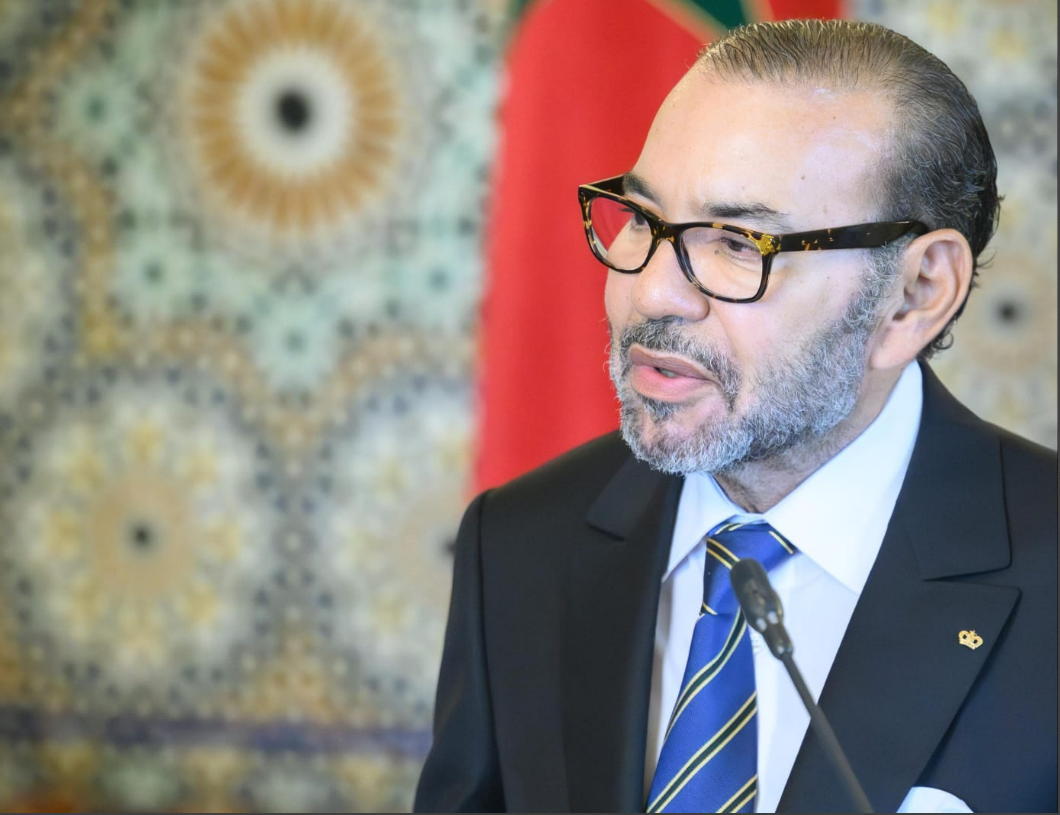
Marrakech – King Mohammed VI has sent a message of condolences to the family of renowned Moroccan actor Mohamed Razine, who passed away on Thursday at the age of 79 at his home in Témara.
In his message, the sovereign expressed that he learned “with deep emotion” about Razine’s death. The King extended his “sincere condolences and compassion” to the actor’s family members, loved ones, artistic community, and admirers.
The King acknowledged Razine as an “eminent artist with a rich career,” evident through the roles he performed and his distinguished theatrical, television, and cinematic works that enriched the Moroccan artistic scene.
Mohamed Razine was an iconic figure in Moroccan theater and cinema with a career spanning more than four decades. He was among the first Moroccan actors to make a mark in cinema, notably through his participation in Nabil Lahlou’s “Al Kanfoudi” (1978) and Ahmed Bouanani’s “Assarab” (Mirage) (1979).
His filmography also included significant works such as Farida Belyazid’s “Ruses de femmes” (1999) and Saâd Chraïbi’s “Atash” (2001). The versatile actor could portray both simple roles and highly complex characters.
Razine contributed to numerous theatrical productions and worked with several theatrical troupes, including “Al Qinaa Assaghir” and the Mohammed V National Theater troupe. His talent extended beyond national borders, as he participated in about twenty foreign film and television productions shot in Morocco.
Read also: Moroccan Actor Abdelkader Moutaa Dies at 85
Among these international works were Philippe de Broca’s film “Les Mille et Une Nuits” (1990) and the series “La Bible.”
In 2020, Razine received a special tribute at the National Film Festival in Tangier alongside other notable figures like Farida Bourquia and Saâd Chraïbi, recognizing his exceptional contribution to the Moroccan artistic scene.
In his condolence message, King Mohammed VI prayed for patience and comfort for the family and asked the Almighty to welcome the deceased into paradise among the virtuous and to reward him amply for his good works.
Mohamed Razine’s passing marks the end of an era of pioneers who helped shape Morocco’s cultural identity. He leaves behind a legacy deeply rooted in the memory of Moroccan theater and cinema.