
 Join on WhatsApp
 Join on Telegram
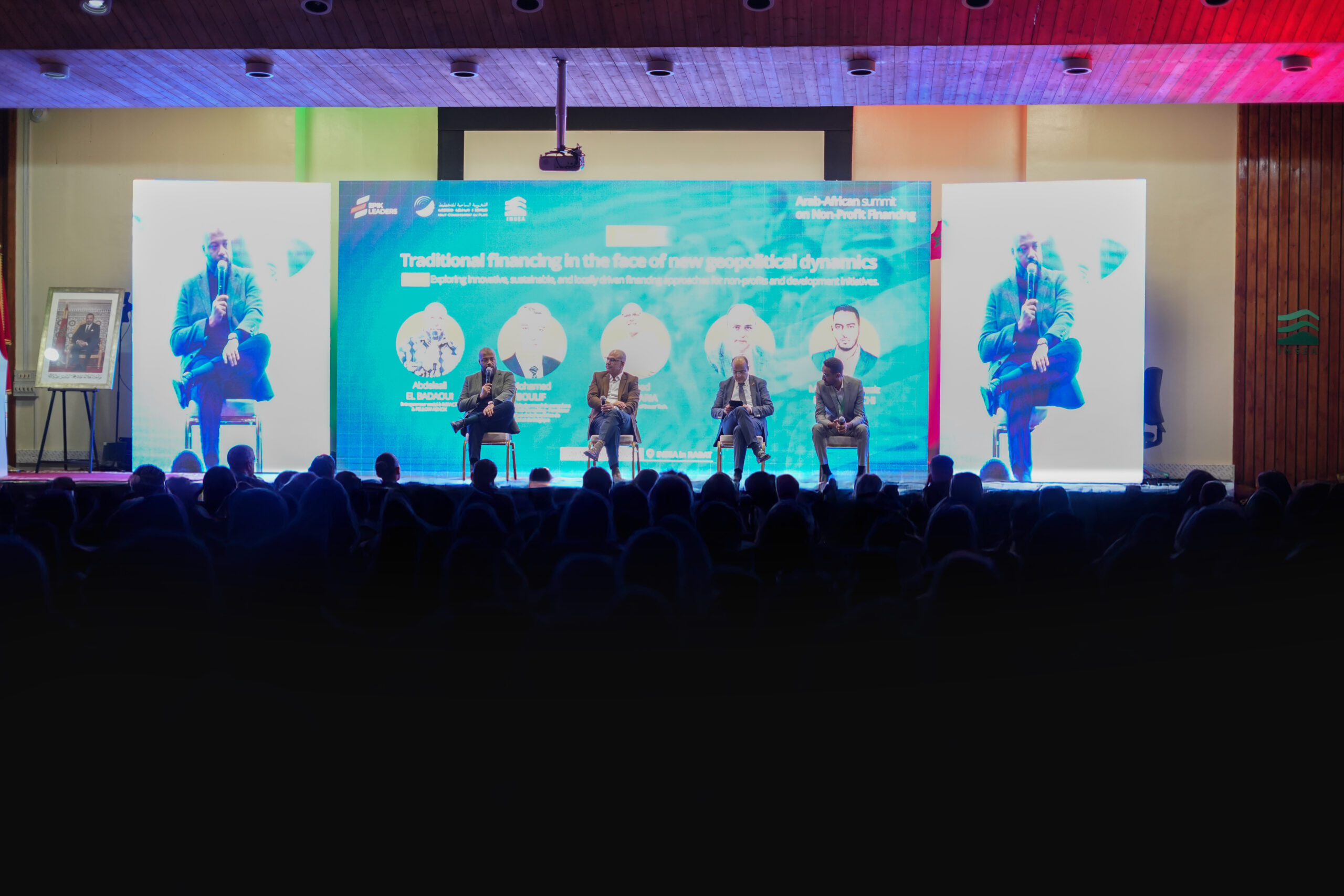
Rabat – The first Arab-African Summit on Non-Profit Financing took place last Thursday at INSEA in Rabat. The event brought together experts, non-profit leaders, and economic actors from across the region to rethink how social projects are funded and to strengthen cooperation between Africa and the Arab world.
INSEA students, who are members of EPIK Leaders, also played a key role in organizing the gathering, according to a statement from Epik Leaders.
While mechanisms such as Corporate Social Responsibility, crowdfunding, and Islamic finance already exist, participants agree that these tools remain limited in scope. To achieve stronger social impact and address today’s challenges, the summit called for financing models that are more flexible, more innovative, and able to go beyond traditional donations and grants.
Throughout the discussions, speakers outlined a shared vision for the future of non-profit financing. They spoke about the importance of building hybrid digital platforms that bring together public funds, private impact investment, and citizen participation.
They also discussed the potential of Social Impact Bonds, which allow private investors to support non-profit initiatives in return for measurable social results. The modernization of traditional mechanisms such as Zakat and Waqf was presented as another promising path, with digital tools that help improve transparency and direct resources toward high-impact local projects.
Participants further encouraged the creation of regional impact funds and stronger public-private partnerships to support concrete social and environmental initiatives. They also insisted on the need to build the capacity of non-profit organizations in financial management, governance, and impact reporting so that resources are used more efficiently and sustainably.
Nizar Chaari, Founder of EPIK Leaders, said the summit came at the right moment. “The real challenge for non-profit financing in our region is to create sustainable models that do not yet exist. This summit opens the door to innovative, digital and collaborative mechanisms that can mobilize not only financial resources but also expertise and local energy across Africa and the Arab world.”
Meanwhile, Ziad El Idrissi, President of the EPIK Leaders Club at INSEA, said the event created a space for meaningful dialogue. “We are proud to host the first edition of this summit at INSEA. We brought together high-level panelists to inspire action, share ideas, and strengthen cooperation between committed actors,” he said.
The summit also coincided with the opening of the 4th AASU–Weldios University Symposium, organized with partners from Nigeria. This parallel event shifted the focus to agriculture, which is an essential yet underdeveloped sector in many African countries.
Discussions focused on innovation, regional cooperation, and food security, while speakers highlighted Morocco’s growing role as a strategic hub in agricultural trade and fertilizers. This connection reinforced a key message of the summit: sustainable development, governance, and financing can no longer be treated separately, according to the statement.
In his closing remarks, Mahmoud Cherkaoui, President of EPIK Leaders, emphasized the need for concrete results. “What motivates us is seeing real projects happen on the ground. By strengthening partnerships and modernizing existing financing tools, we help associations and communities move from ideas to action, delivering tangible results for local populations and measurable impact on local, national, and international development,” he concluded.