 Join on WhatsApp
 Join on Telegram
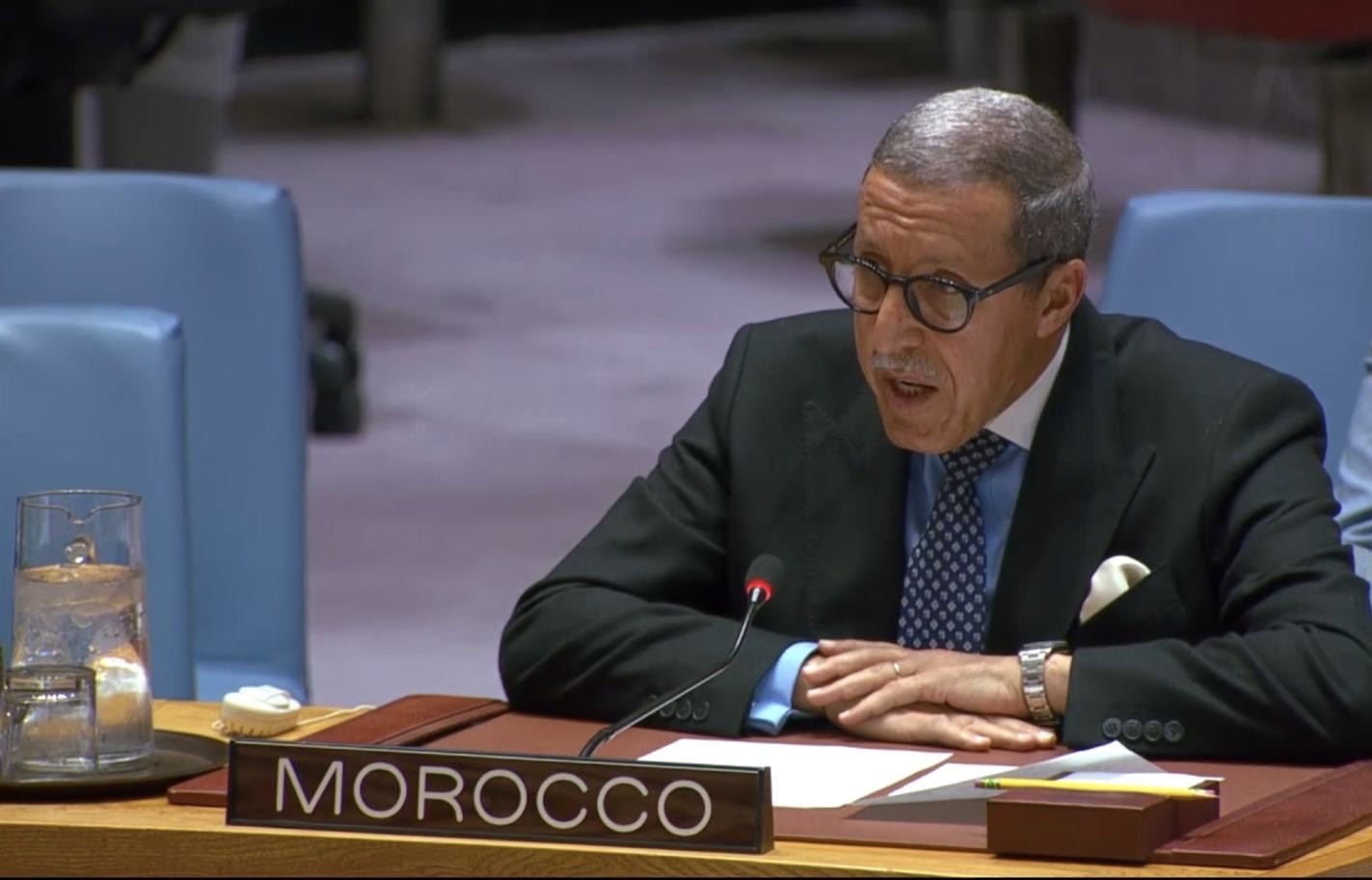
Tantan – Morocco’s ambassador and permanent representative to the United Nations, Omar Hilale, said the Western Sahara issue should no longer remain on the agenda of the UN Committee of 24, the Special Committee on Decolonization. He argued that the matter falls under the exclusive authority of the UN Security Council.
Speaking during the regional conference of the UN Committee of 24 held in Managua, Nicaragua, from May 25 to 27, Hilale said keeping the issue on the committee’s agenda violates Article 12 of the UN Charter, which gives priority to the Security Council over General Assembly subsidiary bodies in matters related to peace and security.
Hilale said UN Security Council Resolution 2797 reinforced Morocco’s autonomy plan under Moroccan sovereignty as “the only serious and credible basis” for reaching a final political solution to the dispute. He added that the resolution also reaffirmed the responsibility of the four parties involved in the political process: Morocco, Algeria, Mauritania, and the Polisario Front.
The time for “political maneuvering and outdated ideological speeches” is over, Hilale said, calling on the parties, especially Algeria and the Polisario Front, to engage seriously in the political process.
He said Morocco had already taken concrete steps after the adoption of Resolution 2797 by presenting a detailed proposal for its autonomy initiative during discussions held in Washington and Madrid.
Hilale also stated that the Western Sahara issue should be treated as a regional conflict linked to peace and security rather than a decolonization issue.
The ambassador said international support for Morocco’s autonomy plan has continued to grow since Morocco first presented it in 2007, noting that 130 UN member states now support the initiative as the most realistic solution to the conflict.
He warned that the current momentum could weaken if other parties continue delaying the political process, adding that they face a “historic choice” between helping end the decades-long conflict or maintaining the current situation and its security risks.
Hilale also recalled development projects in Morocco’s southern provinces under King Mohammed VI’s leadership, including investments in infrastructure, renewable energy, education, healthcare, and the blue economy.
In his closing remarks, Hilale referred to King Mohammed VI’s call for a solution “with no winner or loser” that preserves the dignity of all parties and avoids escalating tensions.
MWN with MAP