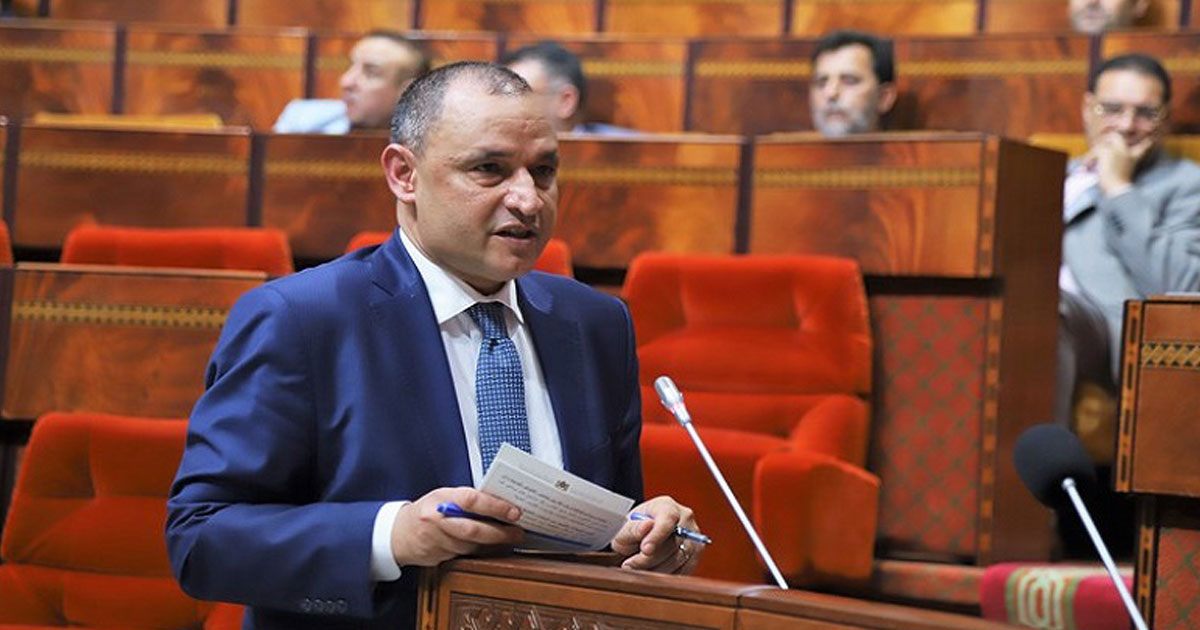
Casablanca — Morocco is putting AI and digital twins at the center of its plans to boost its factories and economy, Industry and Trade Minister Ryad Mezzour announced at the opening of the Digital Twins Technology Summit in Rabat.
Mezzour argued that AI and digital twins – virtual copies of real-world factories, systems, or cities – are no longer just tech trends. Instead, they have become essential tools for countries wanting to protect their industrial independence. He pointed out that nations that can test, simulate, and improve their factories in real-time will be the ones that create the most value and rely less on foreign technology.
Because digital twins are connected to live data, engineers can use them to run tests and catch equipment failures before they happen in real life. The technology is increasingly being used in manufacturing, logistics, energy, and urban planning.
Morocco has what it takes to benefit from these technologies, Mezzour argued, pointing to the country’s growing industrial sector, its engineering talent, and its expanding digital networks. By bringing AI and digital twins into local factories, he said, the country can boost productivity and strengthen its homegrown supply chains.
Read also: Morocco Launches ‘Rally AI Future Lab’ Program to Strengthen Technological Sovereignty
This push comes as Morocco continues to place technological innovation at the center of its industrial strategy. Earlier this year, Mezzour emphasized the importance of AI in reshaping the rules for manufacturing and jobs, urging closer ties between schools, tech companies, and factories.
The discussion around technological sovereignty has also gained momentum in recent months. Industry experts and business leaders have increasingly warned that relying solely on foreign AI systems could create new forms of dependency, prompting calls for greater investment in local expertise, research, and digital infrastructure.
Recent initiatives have included support programs to help Moroccan industrial firms integrate AI solutions and efforts to build shared computing resources to foster local innovation.
The Rabat summit brought together officials, researchers, business leaders, and investors to look at how these virtual models can solve real challenges. Conversations centered on critical areas like water management, renewable energy, agriculture, smart cities, logistics, and Industry 4.0.
Organizers said the goal is to develop practical pathways for using digital technologies to improve resilience, support sustainable development, and strengthen economic sovereignty in Morocco and across Africa.
Morocco World News is also on X — check out our latest posts now! Get MWN on iOS and Android for instant access to breaking news.