
 Join on WhatsApp
 Join on Telegram
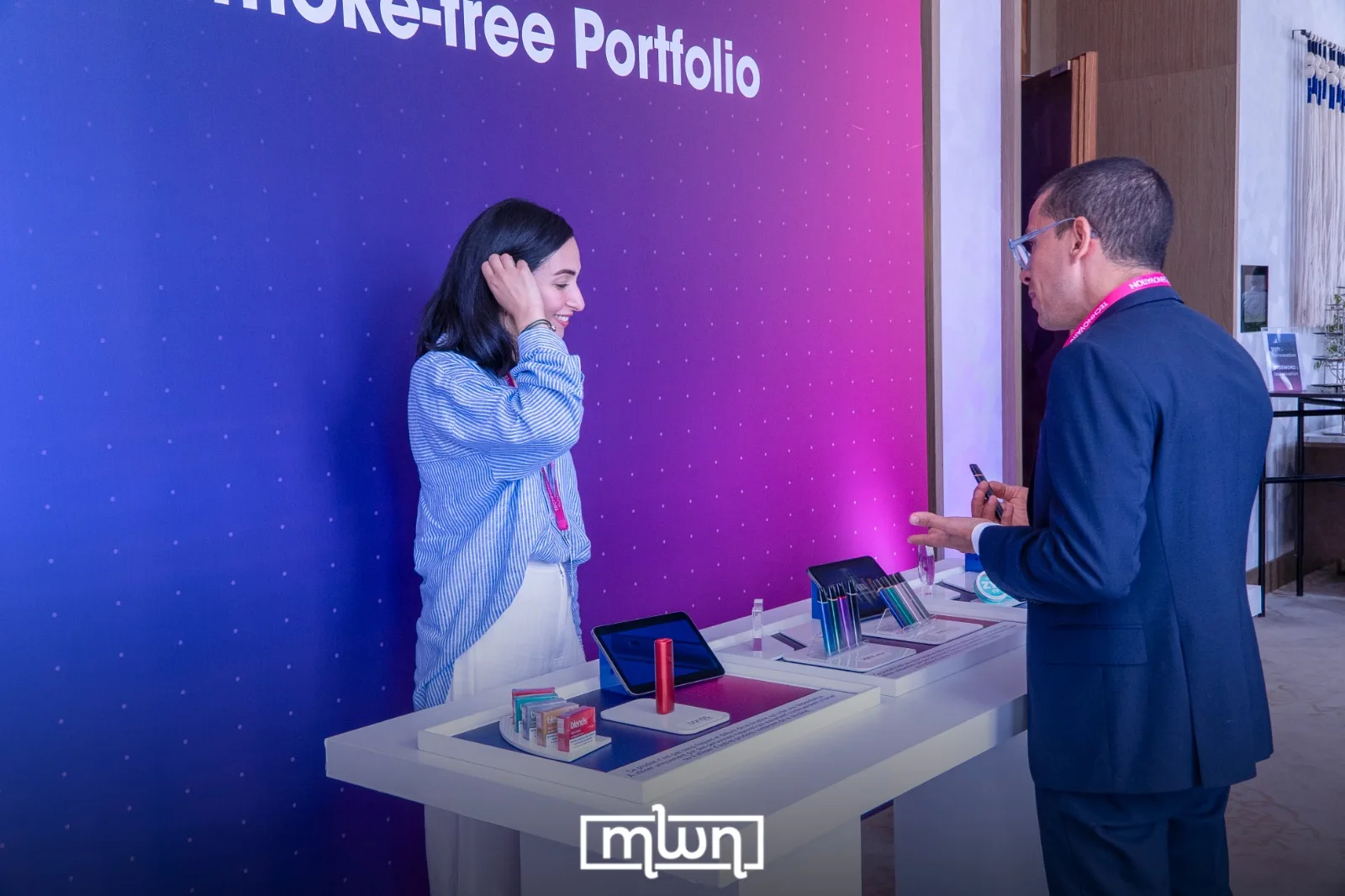
Rabat – Experts in public health, academia, and consumer advocacy gathered in Rabat on Wednesday for Technovation Smoke-Free, an event organized by Philip Morris International (PMI).
The conference explored the role of science, innovation, and evidence-based policymaking in advancing tobacco harm reduction and supporting the transition toward a smoke-free future across Africa.
The event brought together regional and international specialists to examine a range of issues, from misconceptions surrounding nicotine and health sovereignty to consumer access to information, stressing the growing momentum behind science-driven approaches to tobacco control.
Opening the event, Tommaso Di Giovanni, Vice President of Communications and Engagement at PMI, argued that innovation emerging from the Global South, particularly Africa, is increasingly shaping effective public health policy.
Di Giovanni explained that innovation inevitably sparks debate, as new technologies and scientific advancements have historically faced skepticism and resistance before gaining wider acceptance. Smoke-free products, he noted, are no exception.
Since the late 1990s, efforts have been underway to develop alternatives to conventional cigarettes in response to the well-documented health risks associated with smoking. In 2014, PMI introduced IQOS, a heated tobacco product that heats tobacco instead of burning it, offering adult smokers an alternative to traditional cigarettes.
Di Giovanni contended that achieving a smoke-free future and reducing the harm caused by smoking requires collective action. He made the case that governments, non-governmental organizations (NGOs), public health institutions, and the private sector should work together to support harm reduction strategies, promote informed decision-making, and ultimately reduce the burden of smoking-related diseases.
He further argued that scientific evidence and innovation can help guide smarter regulatory frameworks and accelerate progress in reducing smoking-related harm.
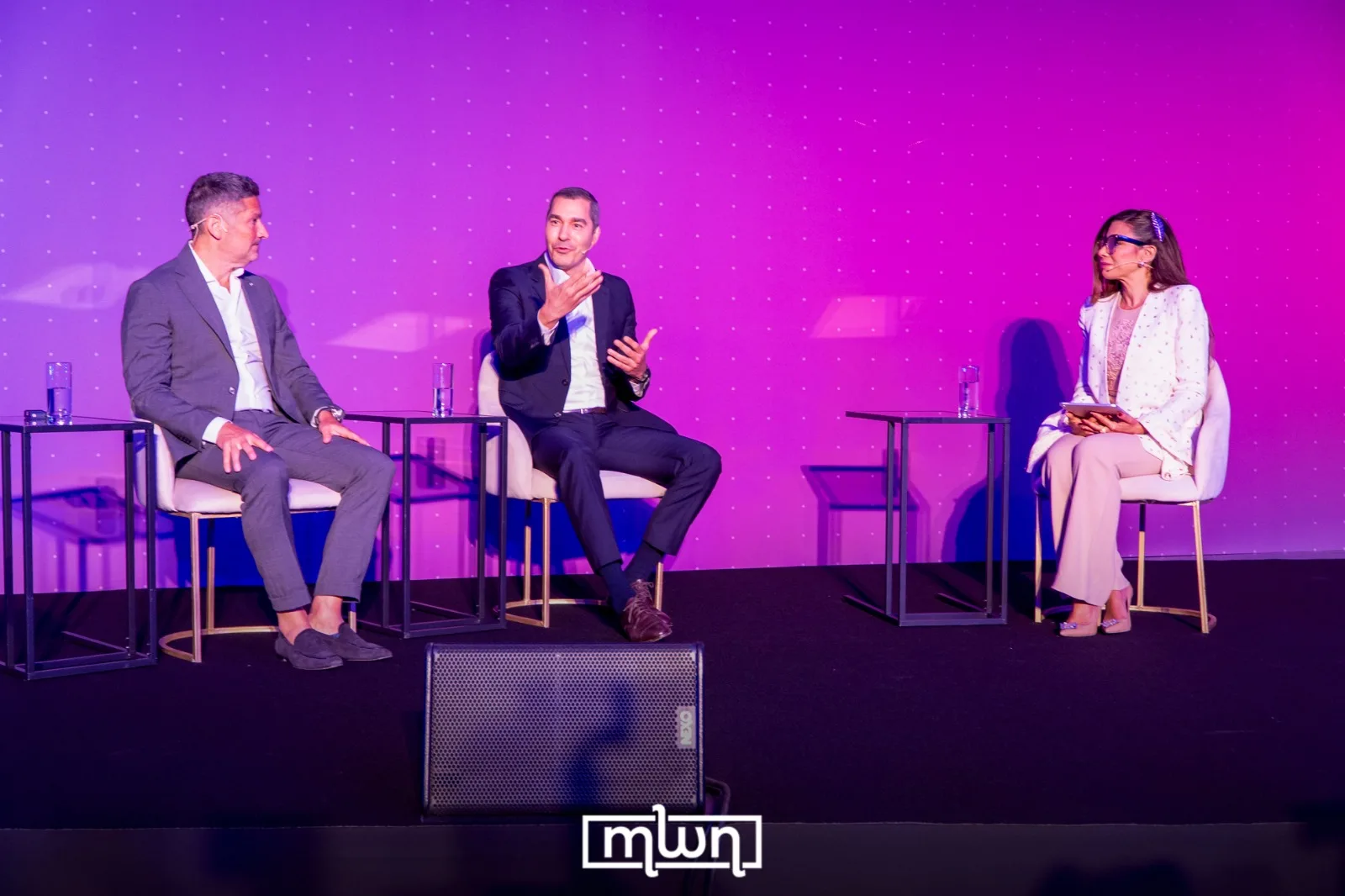
In a session titled “From Bold Vision to Impactful Progress,” speakers discussed the accelerating shift toward smoke-free alternatives across Morocco, North Africa, and the broader African continent.
Taylan Süer, Managing Director for Maghreb at PMI, pointed to the growing recognition among policymakers, the scientific community, and public health stakeholders that innovation can serve as a complementary tool in reducing the harms associated with smoking.
Süer outlined five key pillars needed to maximize the public health impact of smoke-free alternatives for adult smokers who would otherwise continue smoking: accessibility, awareness, acceptability, availability, and affordability. He stressed that ensuring these five elements is essential to enabling smokers to transition away from conventional cigarettes and advancing public health goals.
Moderated by Moroccan television journalist Khadija Ihssan, the discussion focused on the intersection of science, regulation, and public health outcomes.
Nicotine misconceptions and tobacco harm reduction
A central discussion during the event addressed persistent misconceptions surrounding nicotine and their impact on tobacco harm reduction strategies.
During the session titled “Conversation on Nicotine Understanding,” David Khayat, Professor of Oncology at Pierre and Marie Curie University in France, stressed the importance of distinguishing nicotine from the harmful effects caused by tobacco combustion.
Data presented during the session emphasized the persistent global burden of smoking, which remains the leading cause of cancer-related deaths worldwide, maintaining the same ranking between 1990 and 2023. According to Khayat, these findings indicate the urgent need to accelerate tobacco harm reduction strategies and promote innovative smoke-free alternatives.
Khayat argued that the combustion of tobacco, rather than nicotine itself, is the primary driver of lung cancer and other smoking-related diseases. He also suggested that traditional measures, such as cigarette bans and price increases alone, have shown limited effectiveness in helping smokers quit.
Pointing to the addictive nature of smoking, Khayat noted that a significant proportion of cancer patients continue to smoke despite their diagnosis. In this context, he advocated for smoke-free alternatives as a potential option for adult smokers who would otherwise continue smoking, describing them as part of a broader harm reduction approach.
Moderated by Tomoko Iida, Director of Scientific Engagement for South and Southeast Asia, CIS, and the Middle East and Africa at PMI, the conversation explored how misinformation continues to hinder informed decision-making among consumers and policymakers alike.
African sovereignty in health policy
The issue of health policy sovereignty in Africa also featured prominently throughout the event.
During the panel “Africa’s Sovereign Decision Making in Health Policy,” Professor Imane Kendili, Professor of Psychiatry and Addictology in Morocco, joined Professor Amen Allah Messaadi of Tunisia, Professor Mohamed Benkhayal of Libya, and Senegalese public health expert Samba Cor Sarr to discuss the importance of locally driven health strategies.
Panelists emphasized that African countries are increasingly seeking to design policies that reflect their own epidemiological realities, social contexts, and development priorities rather than relying solely on imported policy models.
Moderated by journalist Samid Ghilane, the discussion examined how strengthening national decision-making capacities can contribute to more resilient and sustainable public health systems.
In an interview with Morocco World News (MWN), Kendili stressed that the discussion extends beyond tobacco harm reduction to broader public health challenges across the continent.

“Today, it’s about harm reduction, not just for tobacco, but about all pillars of health in the world and how we can draw the map of our own public health policies in Africa. Africa by Africans, and how we can have data, real data generated by Africans, to design practical solutions for all countries across the continent,” she said.
Kendili also framed Africa’s push for health sovereignty through the efforts of several countries to strengthen local pharmaceutical production.
“We talked about the champions in Africa for health sovereignty, vaccine sovereignty, and pharmaceutical manufacturing on the continent. Morocco is one of them, alongside Nigeria, Egypt, Senegal, Kenya, and South Africa,” she added.
Consumer access to information
The final panel focused on ensuring that consumers have access to transparent and science-based information regarding tobacco harm reduction and smoke-free alternatives.
Ouadia Madih, President of the Federation of Consumer Associations in Morocco, Saad Benmansour, Editorial Director of Aujourd’hui Le Maroc, and Mazen Saleh, Senior Policy Director at R Street, discussed the role of accurate information in supporting informed consumer choices and improving public health outcomes.
In an interview with MWN, Madih described the conference as “a very important and information-rich day,” stressing that access to reliable information is a fundamental consumer right.
“As consumer rights advocates, our role is to defend consumers’ interests. Among these interests is the right to information, which was effectively addressed during this event. Consumers need access to accurate and credible information that enables them to exercise their right to choose,” he said.
Madih further noted that the right to choose is internationally recognized as a fundamental consumer right and maintained that individuals should be equipped with the necessary tools to make informed decisions.
“It is essential to provide consumers with all the tools they need to make informed decisions. This is the best way to empower individuals to decide whether they want to choose a particular product, based on reliable information,” he added.
The event concluded with a call for continued engagement between scientific communities and decision-makers to ensure that future health policies are informed by evidence, adapted to local realities, and centered on improving public health outcomes.