 Join on WhatsApp
 Join on Telegram
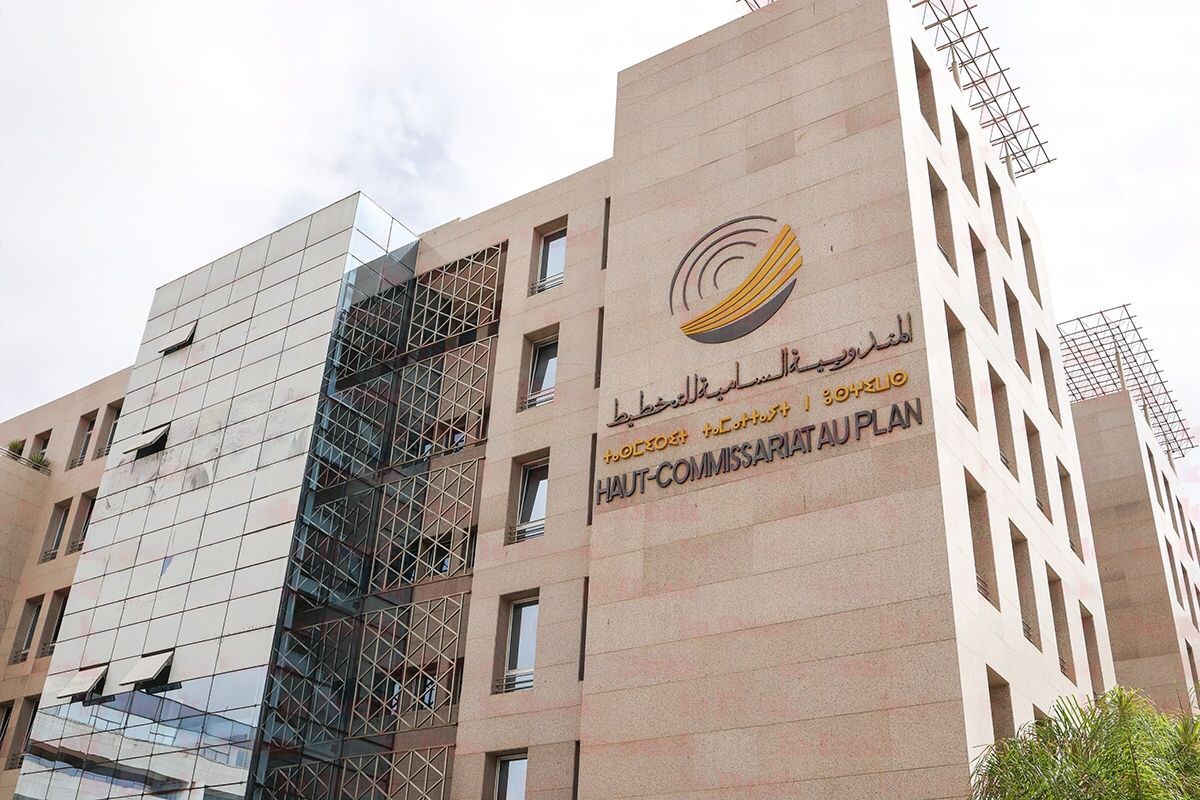
Agadir – Morocco’s population will increase from 36.8 million in 2024 to around 43.3 million by 2060, representing growth of approximately 17.8%, according to the country’s High Commission for Planning (HCP).
HCP’s report, “Projections de la population du Maroc 2024-2060,” updates Morocco’s demographic outlook following the results of the 2024 General Population and Housing Census (RGPH 2024).
Despite this result, HCP stressed that this increase will be accompanied by a significant slowdown in demographic growth.
“This growth will be accompanied by a marked slowdown in the population growth rate, with the annual growth rate expected to decline gradually from 0.7% in 2024 to nearly zero by 2060,” the report reads.
It explains that the projections are based on the cohort-component method, the methodology used by numerous demographers and international organizations, including the United Nations and the World Bank.
HCP developed the projections under three scenarios, high, medium, and low, with the medium variant representing the most probable outcome.
Urbanization to reshape Morocco’s demographic landscape
Urban areas are expected to account for nearly all future population growth as Morocco continues to urbanize.
“Demographic growth is expected to be primarily urban, driven by continued urbanization and increasing migration from rural to urban areas,” the report details.
HCP projects the urban population will reach around 32.5 million people by 2060, representing nearly three-quarters of the country’s total population, while the rural population is expected to decline gradually to approximately 10.8 million.
The report warns that this shift will place greater pressure on housing, infrastructure, and public services, requiring policies that can accommodate growing urban demand while narrowing regional disparities.
At the same time, it recommends strengthening rural development to improve living conditions, retain young people, and make better use of local resources.
Falling birth rates to transform education needs
Morocco’s changing demographics are also expected to reshape the education sector.
HCP projects a gradual decline in the number of children under the age of 15 due to lower fertility rates, describing the trend as an opportunity to improve the quality of education.
“This trend presents an opportunity to redirect education policies toward improving the quality and performance of the education and training system,” the report further reads.
The number of children enrolled in preschool education is projected to fall by 23.8%, from 1.25 million in 2024 to 960,000 in 2060. Primary school enrollment is expected to decrease by 27%, from 4.16 million to 3.04 million, while enrollment in the first stage of lower secondary education is projected to decline by 22.9%.
Urban labor markets face growing pressure
Meanwhile, Morocco’s working-age population is expected to continue expanding.
According to the report, the number of working-age people will rise from 22.08 million in 2024 to 24.69 million by 2060, an increase of 13.1%. Most of that growth, however, will occur in urban areas as rural-to-urban migration continues.
HCP cautioned that the trend is likely to increase pressure on urban labor markets despite a slight decline in the number of young people entering the workforce. The population aged 18 to 24 is projected to decrease from 3.89 million to 3.77 million between 2024 and 2060.
The report identifies population aging as Morocco’s most significant long-term demographic challenge.
“The most significant demographic trend over the coming decades will be the acceleration of population ageing,” the report notes.
The number of people aged 60 and over is projected to more than double, rising from 5 million in 2024 to approximately 10.9 million by 2060, when they will account for nearly one-quarter of Morocco’s population.
HCP warned that the demographic transition will increase the dependency ratio and create major challenges for pension systems, healthcare services, and intergenerational solidarity.
The report concludes that Morocco will need proactive public policies to adapt to these demographic shifts, calling for stronger rural development, better urban planning, labor market reforms, and adjustments to social protection systems to ensure balanced and sustainable economic and social development.