
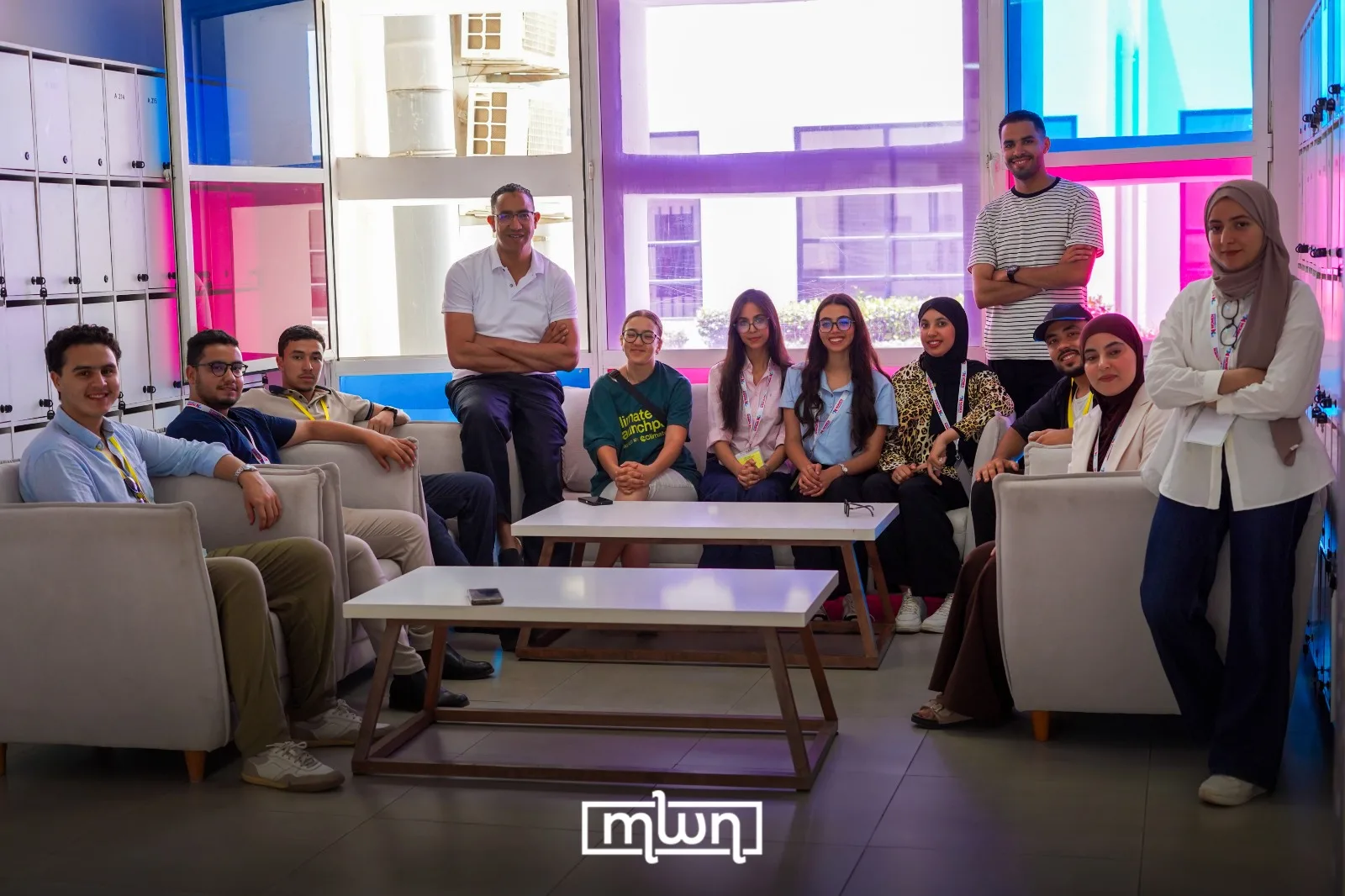
Agadir — ClimateLaunchpad Morocco opened the final stop of its 2026 Regional Bootcamp Tour at Cité de l’Innovation Souss-Massa in Agadir.
The July 17–18 program follows earlier bootcamps in Meknes and Errachidia. It brings the regional journey to an innovation-focused venue serving entrepreneurs, technology companies, and early-stage projects in Souss-Massa.
Cité de l’Innovation operates within Agadir’s wider entrepreneurship ecosystem alongside Technopark Souss-Massa, which regularly hosts startup workshops, professional meetings, and innovation programs.
Ahmed Larouz, founder of Women in Cleantech and head of ClimateLaunchpad Morocco, coordinated the national team, regional organizers, participant support, and the wider logistics behind the Agadir bootcamp.
Eight volunteers from different academic and professional backgrounds supported the opening day. They helped manage reception, communication, equipment, scheduling, and the needs of participants throughout the sessions.
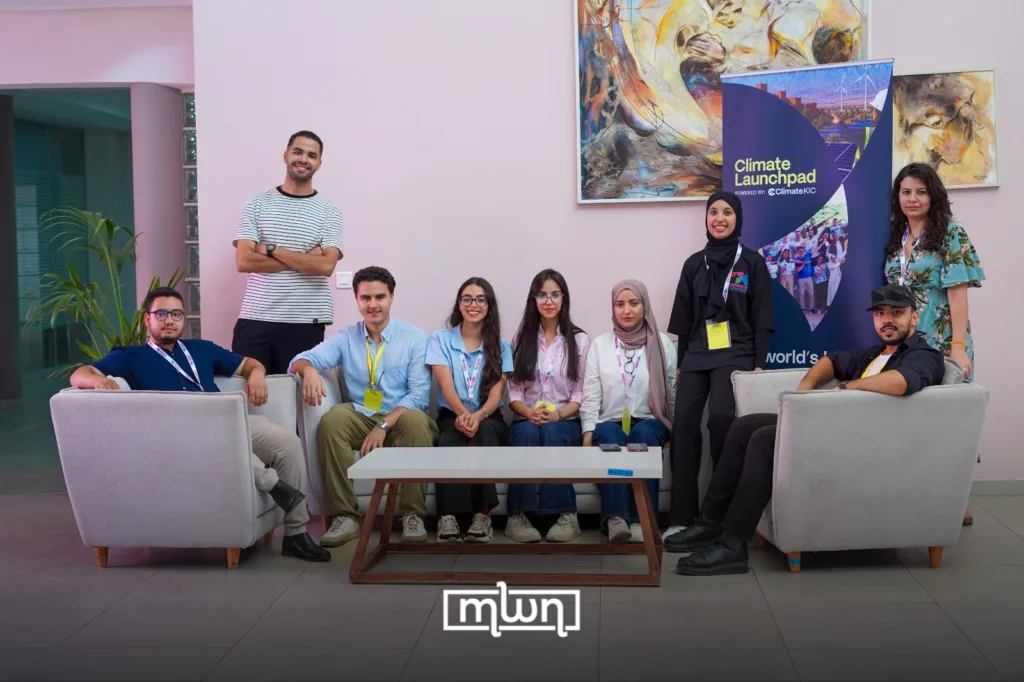
Yassine Lamsabbane, Souss-Massa regional team lead, praised both the volunteers and the national team for helping strengthen the local startup ecosystem.
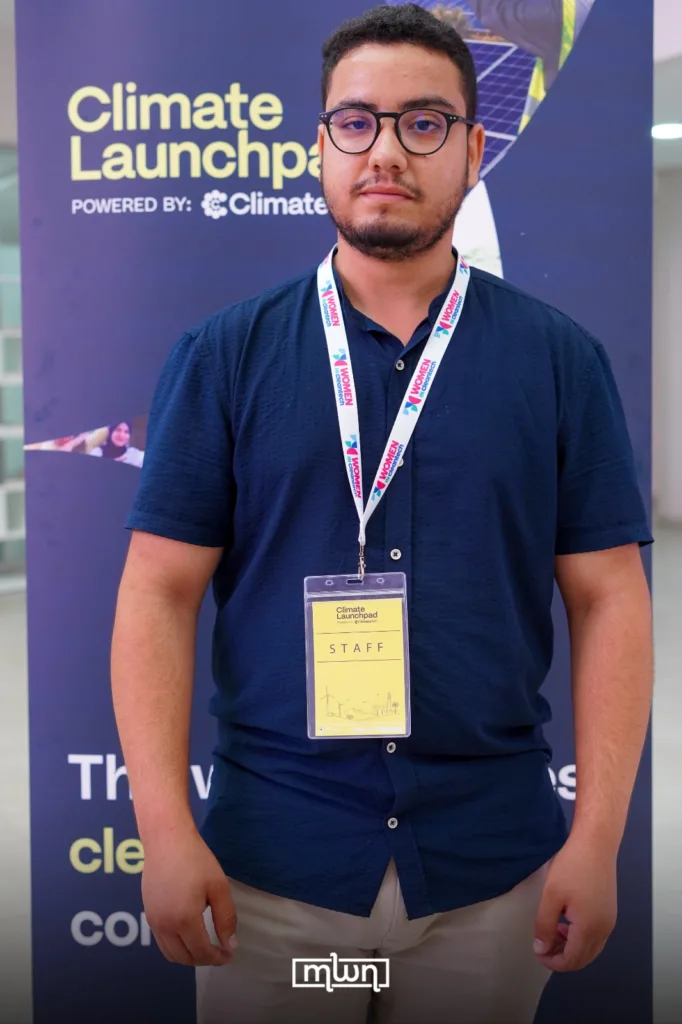
“What I value most about Women in Cleantech and ClimateLaunchpad Morocco is their determination to help people build real startups,” Lamsabbane told Morocco World News (MWN).
He described the venue as one of Agadir’s strongest spaces for events involving startups, technology, entrepreneurship, and cleantech.
Turning ambition into a focused business
Dutch cleantech expert Ron Bloemers led the technical sessions, continuing a curriculum he has delivered to green entrepreneurs internationally.

Bloemers is the founder and managing partner of cleantech accelerator START-U-UP. ClimateLaunchpad has long featured him as a trainer known for direct feedback and practical startup coaching.
He framed the bootcamp as a way to compress essential business and finance lessons into an intensive program focused on execution.
The goal was not to replace formal business education. Instead, participants received a practical foundation for testing ideas, identifying customers, presenting projects, and preparing for growth.
Bloemers repeatedly encouraged the cohort to “dream bigger,” noting the potential he saw among the Agadir participants. One entrepreneur had driven from Laayoune to avoid missing the training.
He also stressed the importance of maintaining online connections after the bootcamp. Strong networks, he explained, can create an upward spiral of feedback, introductions, visibility, and new opportunities.
Bloemers pointed to Estonia as an example of how digital infrastructure and an interconnected startup community can help ambitious companies emerge from a small country. Startup Estonia describes the country as a highly productive technology ecosystem supported by accelerators, incubators, investors, and startup organizations.
Finding the first market
The training also introduced participants to the beachhead market, a carefully selected first customer segment that allows a startup to focus its limited resources.
Rather than attempting to sell to everyone, founders must identify the customers with the clearest need and strongest reason to adopt their solution.
ClimateLaunchpad’s training materials regularly use beachhead-market exercises to help teams refine customer value propositions and develop realistic routes into the market.
Bloemers also coached participants on pitch structure, public speaking, timing, and stage presence. He helped founders simplify technical explanations and communicate their ideas without losing the audience.
Ataa Ettaik, a communication team member for Women in Cleantech in Souss-Massa, said the bootcamp allowed participants to strengthen their projects and receive expert guidance.
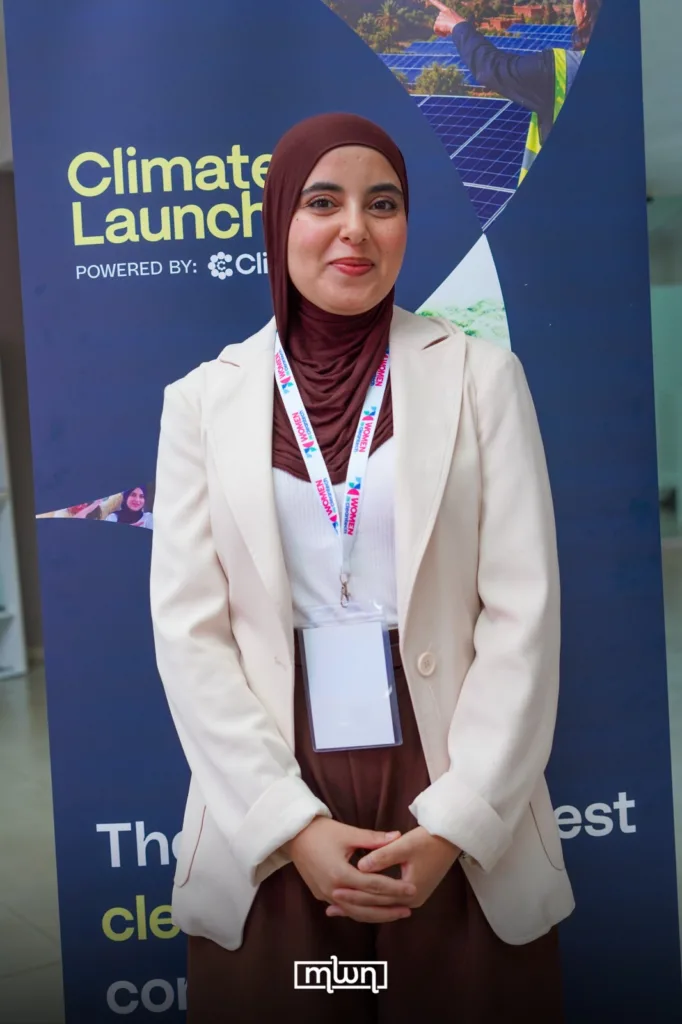
“Being part of Women in Cleantech has shown me that women can drive meaningful change through innovation and sustainability,” Ettaik told MWN.
She said the initiative had given her greater confidence, stronger skills, and a professional network that supports both personal and career development.
SITELI CW gives water a second life
Among the participating ventures was SITELI CW, a circular-water startup co-founded by water treatment engineer Yazid Siteli and Shannyth Hoogeveen.

The company combines water-treatment installations with software designed for industries, agricultural businesses, hotels, golf resorts, and real estate developments.
“We want to create a world where water circularity becomes the standard and every drop receives a second life,” Siteli told MWN.
He said the bootcamp provided candid feedback on SITELI CW’s value proposition, pilot preparation, and investor pitch. The sessions also helped the team consider how to position water reuse as an international business opportunity.
SITELI CW’s participation reflected the wider purpose of the Agadir stop. The bootcamp brought regional talent into a structured environment where ambition could meet practical business discipline.