Fez — Women in Cleantech has grown beyond a series of regional bootcamps into a wider effort to connect Moroccan women with green entrepreneurship, technology, mentorship, and investment opportunities.
The initiative works alongside ClimateLaunchpad Morocco, combining targeted support for women with the training model of the world’s largest green business ideas competition.
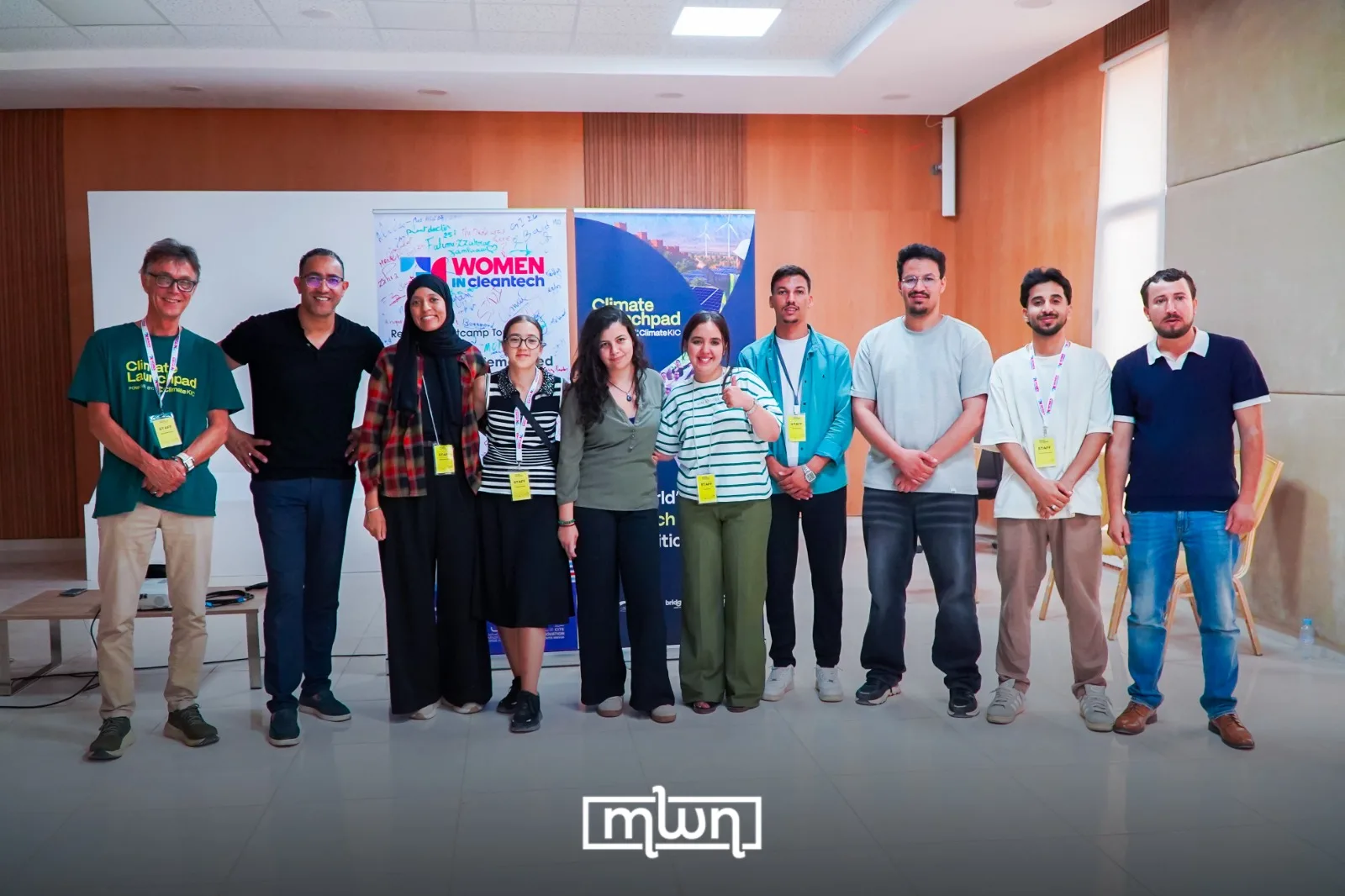
Its 2026 Regional Bootcamp Tour brought two-day programs to Meknes, Errachidia, and Agadir. The journey placed particular emphasis on founders outside Morocco’s main entrepreneurship centers, where access to mentors, investors, and specialized training remains limited.
Yet the tour represented only one stage of a longer process.
Building the bridge into cleantech
Ahmed Larouz, founder of Women in Cleantech and head of ClimateLaunchpad Morocco, said the initiative was created to build a bridge between women’s existing entrepreneurial experience and the growing cleantech market.
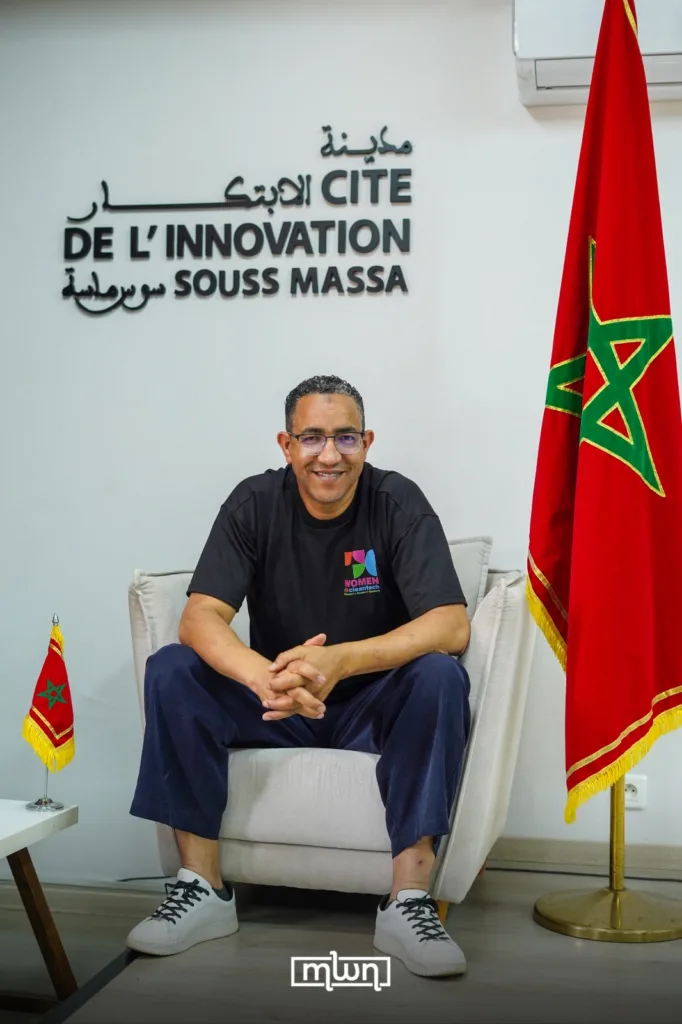
“I started Women in Cleantech because I have always seen women build impactful businesses,” Larouz told Morocco World News (MWN). “The cooperatives across rural Morocco are proof of that.”
“What was missing was a bridge into cleantech specifically, where that same instinct for impact meets innovation and technology,” he added. “This is not about introducing women to entrepreneurship. It is about bringing cleantech closer to women who were already building.”
Women in Cleantech was co-created by Bridgizz in partnership with the German Agency for International Cooperation (GIZ). Bridgizz describes the platform as an effort to address gender gaps in access to financing, professional networks, and recognition.
The initiative has received support through GIZ Morocco’s WoMENA project, formally titled Gender Responsive and Inclusive Politics and Economy in the Middle East and North Africa Region.
The regional project supports women’s political and economic participation through training, collaboration, development opportunities, and stronger national and regional networks.
More than a bootcamp
Before reaching the regional bootcamp stage, Women in Cleantech organized months of outreach, training, mentorship, investor-readiness workshops, panel discussions, and awareness activities.
The initiative also marked International Women’s Day and worked with regional partners to introduce female students, researchers, founders, and innovators to cleantech opportunities.

Program organizers said activities were adapted to include women with disabilities. Public calls also explicitly encouraged women and men with disabilities to apply and present their green business ideas.

Partnerships helped the initiative establish activities across different regional ecosystems. These included GIZ Morocco, the Regional Investment Center (CRI) of Souss-Massa, the CRI of Drâa-Tafilalet, Technopark, universities, and local innovation organizations.
The program’s wider regional outreach mobilized more than 500 female students across Fez-Meknes, Drâa-Tafilalet, and Souss-Massa, according to Women in Cleantech.
Organizers say the initiative has reached thousands of women through physical activities, mentoring, outreach, and digital communication since its launch.
Its online community has also passed 1,000 followers, while collaborations with MWN and MWN DigiTalk helped bring participants’ projects, personal journeys, and regional teams to a wider audience.
Morocco reaches full gender parity
The 2026 ClimateLaunchpad Morocco call attracted 210 applicants representing 159 startups.
Women accounted for exactly half of the applicant pool, with 105 women and 105 men. Globally, women represented 41% of ClimateLaunchpad applicants that year.
Larouz said the result made Morocco the first national program in ClimateLaunchpad’s history to report an exact 50/50 gender split.
“The number that means the most to me is not the ranking,” he said. “It is 105 women and 105 men. That parity was achieved by design, not by chance.”
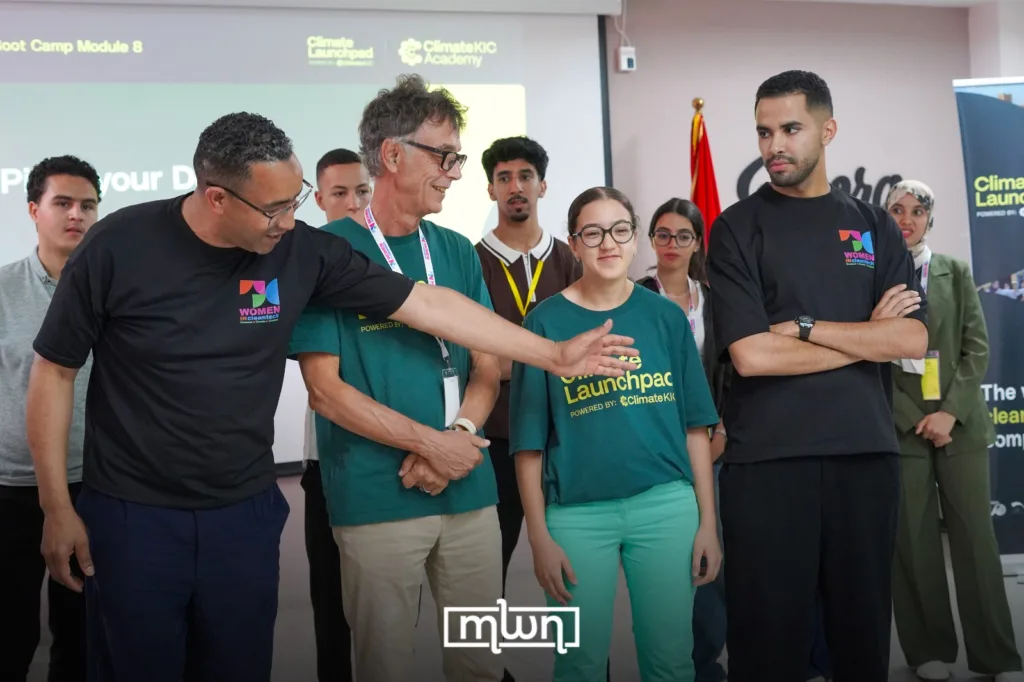
Morocco also placed fourth among 51 countries in ClimateLaunchpad’s 2026 application ranking. The global competition received more than 4,150 applications, making Morocco the only North African country in the top five.
Women in Cleantech supported that result through targeted outreach across the three regions, encouraging women to view their environmental ideas as potential businesses rather than informal projects.
The people behind the movement
The initiative’s regional growth depended on a small national team working alongside local coordinators and volunteers.
Larouz provided the wider direction while Lamyae Afqir coordinated ClimateLaunchpad Morocco’s regional activities.
Reda Boujliliba, project coordinator for Women in Cleantech, managed partnerships, participant support, mentors, and event logistics.
“Instead of asking entrepreneurs to travel to us, we decided to take the bootcamp directly to them,” Boujliliba told MWN.
Rime Hdioud, communications manager for ClimateLaunchpad Morocco, helped document the activities and ensure that regional entrepreneurs gained visibility beyond the training rooms.
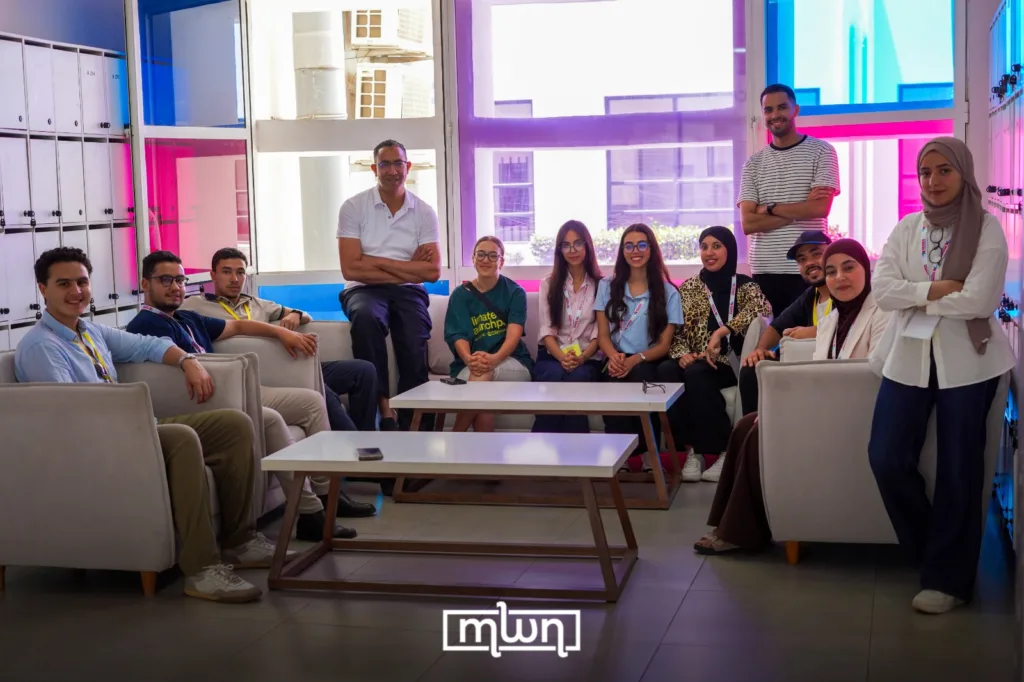
Dutch trainer Ron Bloemers praised Afqir, Boujliliba, and Hdioud for coordinating three physical bootcamps, long journeys between regions, and an online bootcamp running in parallel.
“What I have seen them doing was nothing less than exceptional,” Bloemers told MWN.
Regional leads and volunteers were equally central. They spent months identifying participants, promoting applications, preparing venues, coordinating equipment, welcoming trainers, and supporting founders during the sessions.
Women turning ideas into businesses
The movement’s clearest results can be seen in the projects presented by its participants.
In Meknes, Zineb Oudghiri introduced EcoStation, an automated refill system designed to reduce plastic packaging in the cosmetics industry.
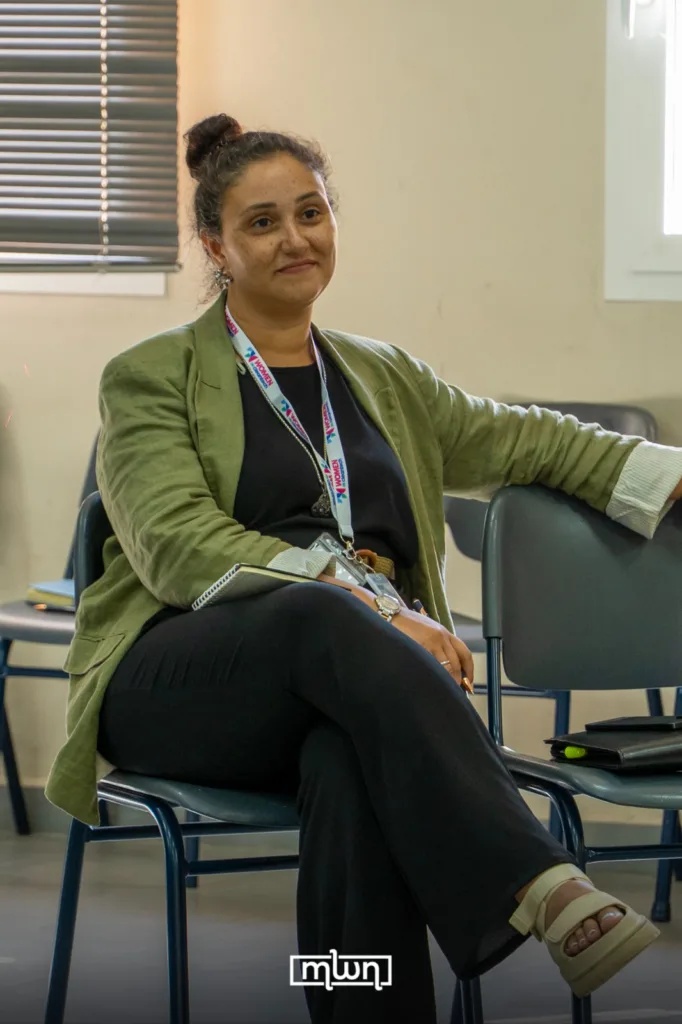
“People rarely think it is possible to create a cleantech solution in cosmetics,” Oudghiri told MWN. “By joining Women in Cleantech, I realized that there is always a solution.”
Nouhaila Lakhchaf presented InovaTech Water, a household system that collects, treats, and reuses greywater for cleaning, irrigation, and toilet flushing.
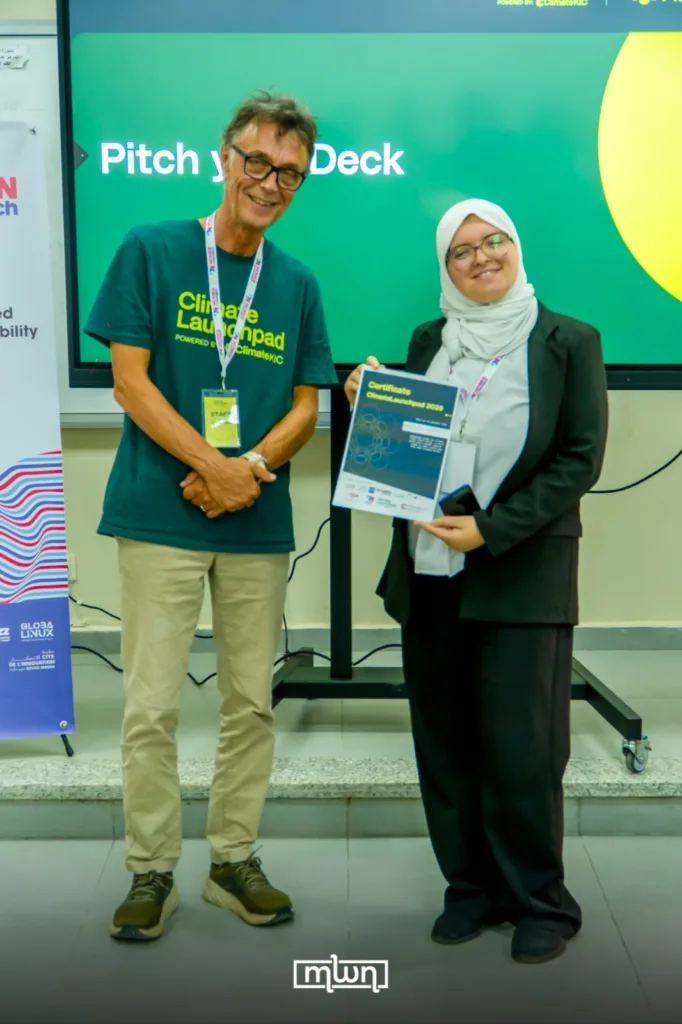
In Errachidia, sisters Chaimae and Fatima-Ezzahra Oustani developed Plant Doctor, an artificial intelligence platform that diagnoses plant diseases, optimizes irrigation, and connects farmers with researchers and biological input suppliers.
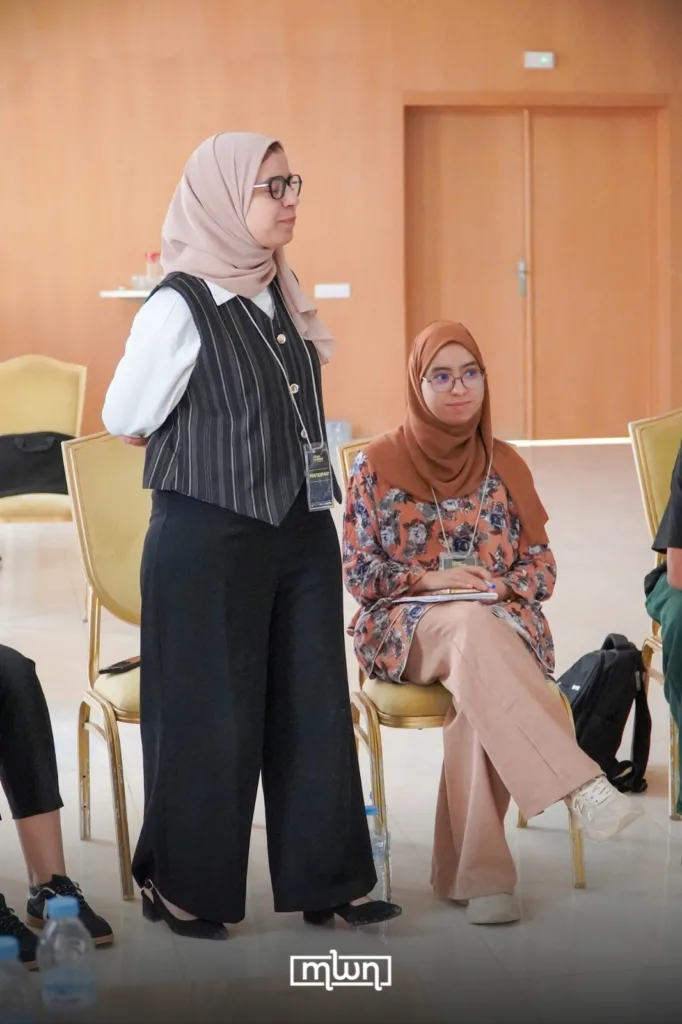
Ibtissam, founder of Green Pulse, traveled approximately 25 hours from Laayoune to attend the Errachidia bootcamp. She said the experience helped her move from limited business knowledge toward preparing a structured business model.
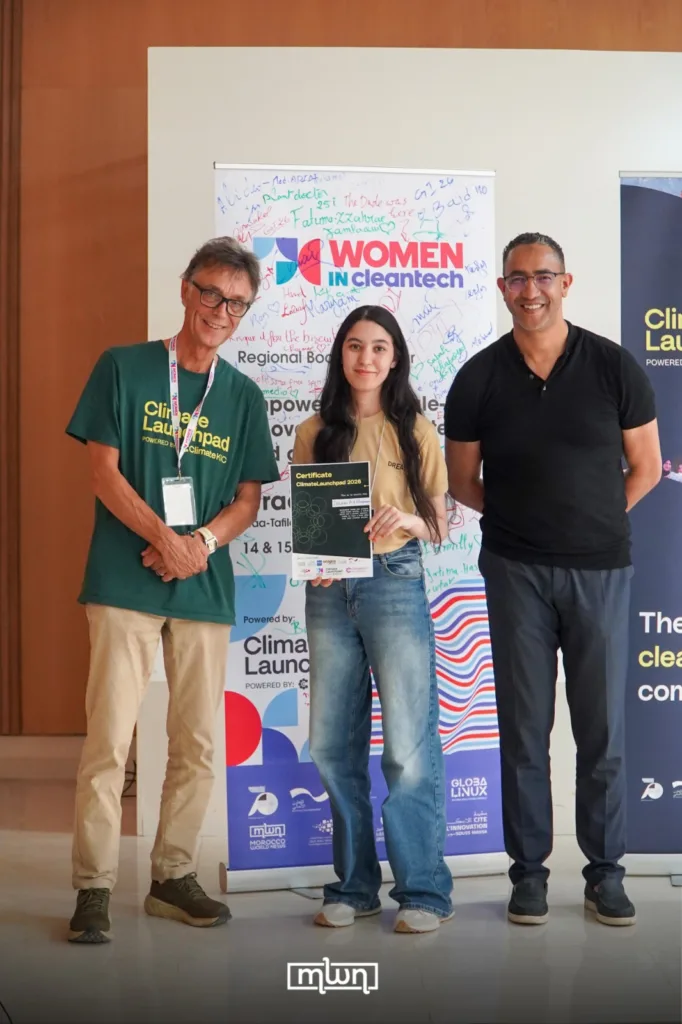
These founders were not introduced to ambition by the program. They arrived with ideas, technical knowledge, and an understanding of the problems affecting their communities.
Women in Cleantech gave them a room in which those ideas could be challenged, improved, presented, and connected to a wider market.
The movement’s broader significance lies in making women more visible within Morocco’s climate economy.
Its long-term test will be whether the bridges built through training, partnerships, mentorship, and media exposure continue carrying regional ideas toward lasting businesses.