
 Join on WhatsApp
 Join on Telegram
Agadir – Morocco celebrates the 105th anniversary of the Battle of Annual, a defining moment in the country’s history which symbolizes resistance, courage, and the enduring struggle for sovereignty.
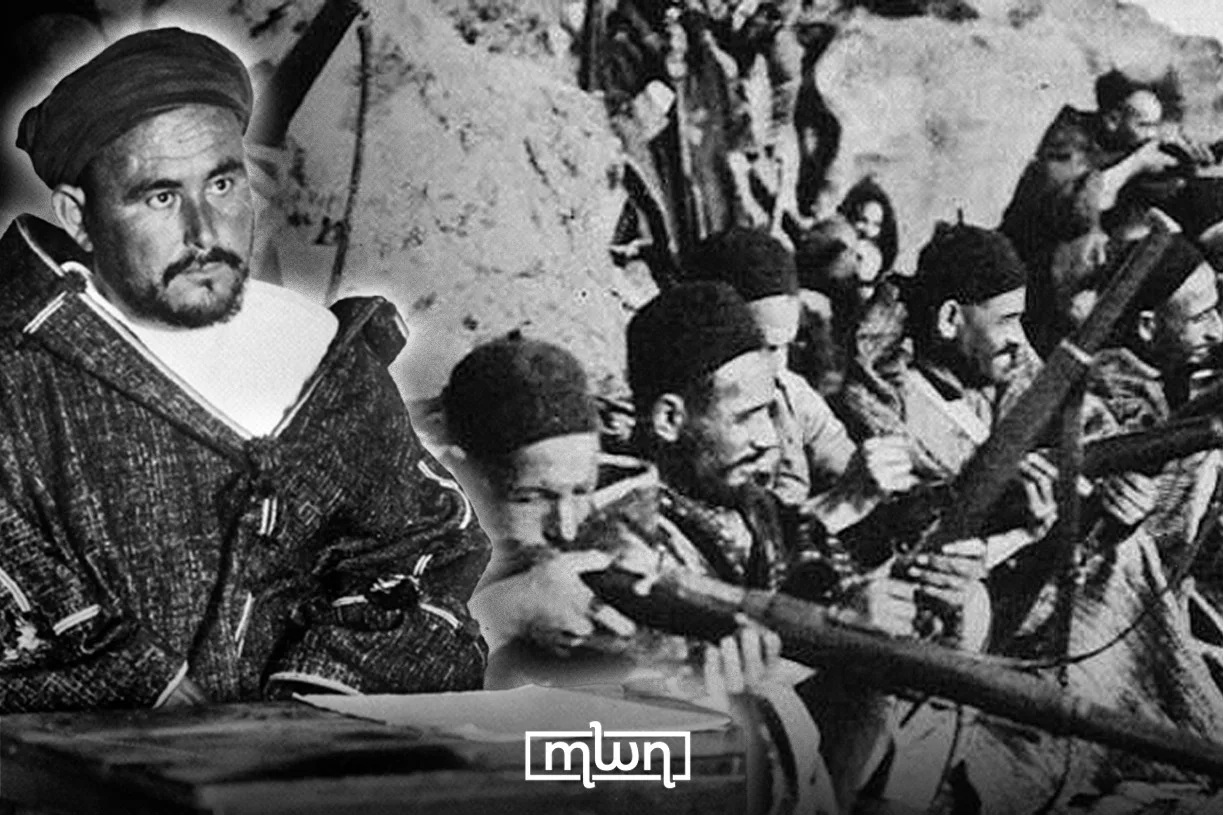
The battle took place on July 22, 1921, in the Rif region of northern Morocco under the leadership of Mohamed Ben Abdelkrim El Khattabi, who inflicted a major defeat on the Spanish colonial forces.
In the Battle of Annual, Abdelkrim’s forces, estimated at around 3,000 fighters, defeated a Spanish military force numbering more than 20,000 troops.
This confrontation remains one of Morocco’s most significant anti-colonial stories in the country’s modern history.
Moroccans, including members of the Resistance and Liberation Army family, observe the anniversary in tribute to the fighters who stood against occupation and to preserve the memory of a chapter that profoundly shaped Morocco’s national identity.
A battle that shook colonial ambitions
The Battle of Annual is part of a broader context of European colonial expansion in Morocco. Following the signing of the Treaty of Fez in 1912, Morocco became a French protectorate, while Spain established control over several northern and southern zones. The Rif region became the main area of Spanish influence and military operations.
Acting upon its ambition, Spain sought to expand its control in the northern territories, yet it was faced by strong opposition from the local tribes, which resisted their domination and expansion.
The Rif population, with their mountainous knowledge and tactics combined with their pride and courage to defend their land, posed a real challenge to Spain’s better-equipped colonial army
The defeat was devastating for Spain. Thousands of Spanish soldiers were killed, including General Manuel Fernández Silvestre, the commander of Spanish forces in the region. The loss, known in Spanish historiography as the “Disaster of Annual,” represented one of the most severe military defeats suffered by Spain in the 20th century.
The defeat pushed Spain to seek greater military support, eventually leading to closer coordination with France to suppress the Rif resistance.
Abdelkrim El Khattabi
At the heart of the Rif resistance stood Mohamed Ben Abdelkrim El Khattabi, a figure who became a symbol of anti-colonial movements in Morocco and beyond.
Born in 1882 in Ajdir, in the Rif region, Abdelkrim received a comprehensive education, studying Islamic law at the University of Al Quaraouiyine in Fez and Spanish law in Salamanca.
His relationship with Spanish authorities worsened after he expressed opposition to colonial policies, leading to his imprisonment. After returning to Ajdir in 1919, he began organizing resistance against Spanish control.
Abdelkrim’s leadership transformed fragmented tribal groups into a coordinated movement capable of confronting one of Europe’s colonial powers. With a force far smaller and less equipped than the Spanish army, he relied on strategic planning, knowledge of the terrain, and guerrilla warfare tactics.