
Rabat – First Secretary of Morocco’s Socialist Union of Popular Forces (USFP), Driss Lachgar, has said that responsibility for the recent mass migration toward occupied Ceuta should not be placed solely on the government, arguing that all political actors share responsibility.
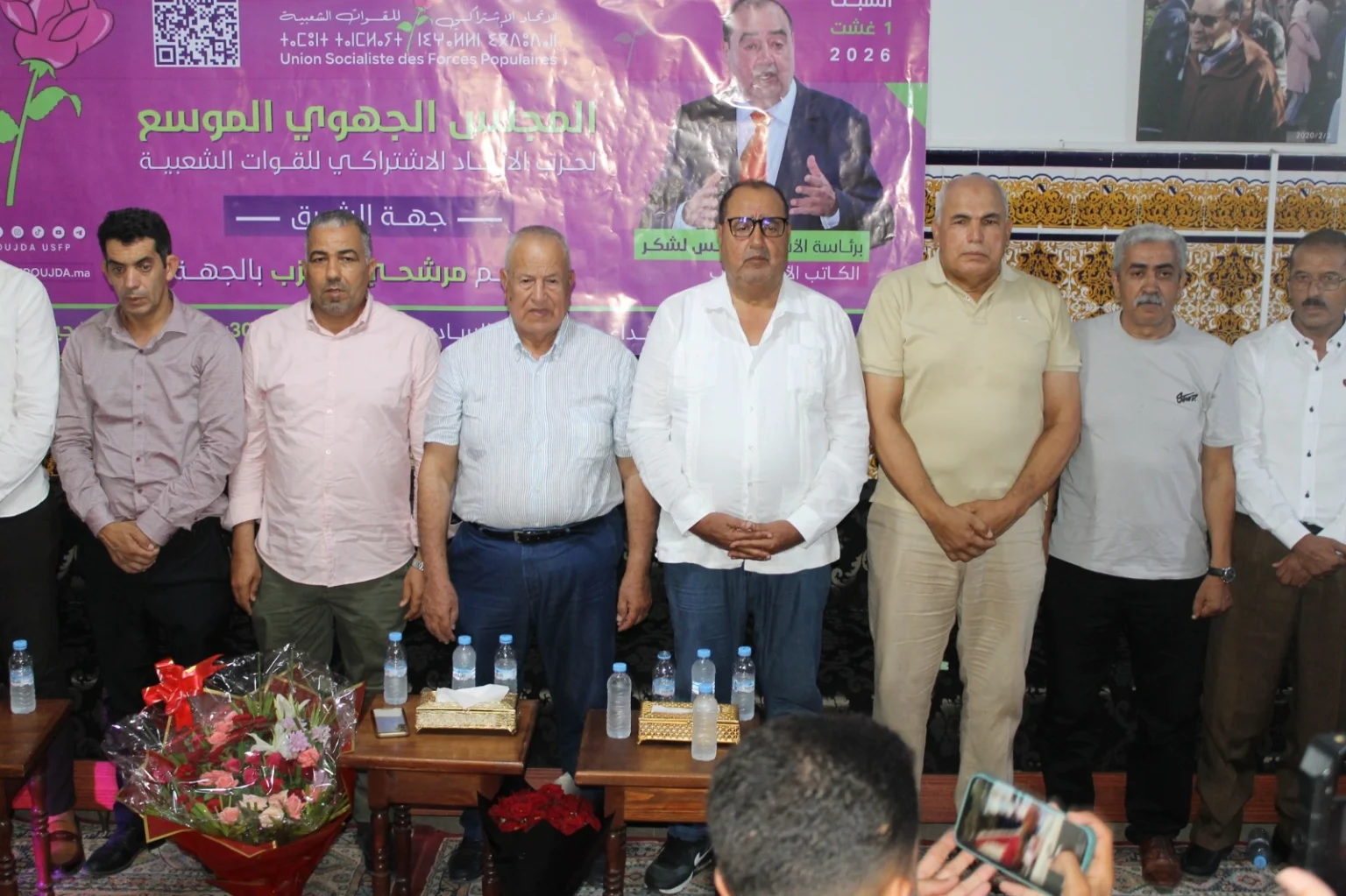
Speaking during the party’s expanded regional council meeting in Oujda on Saturday, Lachgar rejected what he described as attempts to “trade in people’s suffering and the victims” for political purposes. He said it would be easy to issue a statement blaming the current government alone, but insisted that such an approach would ignore the broader context behind the crisis.
“We are all responsible for what is happening in the country,” Lachgar said, adding that he refused to exploit the lives lost at sea for political gain. He also recalled previous “boats of death” tragedies that Morocco has witnessed over the past decades.
Government’s communication
Despite defending the government against what he viewed as politically motivated attacks, Lachgar criticized its handling of communication during the crisis. He said the absence of the government’s spokesperson, the head of government, local officials, and elected representatives left many Moroccans without timely information.
According to Lachgar, the lack of official communication forced many citizens and victims’ families to rely on foreign media for updates, a situation he believes could have been avoided with faster, more transparent institutional communication.
The USFP leader also said his party deliberately avoided issuing what he called “emotional statements,” unlike some opposition parties. Instead, he said, the party engaged in consultations with European socialist and left-wing parties to defend Morocco’s interests.
Lachgar stressed that while it is easy to issue statements assigning blame, the priority should be honoring the victims and addressing the underlying challenges that drive irregular migration.
He added that Morocco’s institutions and political parties have a duty to protect citizens from violence, racism, and the rise of far-right rhetoric in Europe, warning that such discourse could affect more than five million Moroccans living abroad.