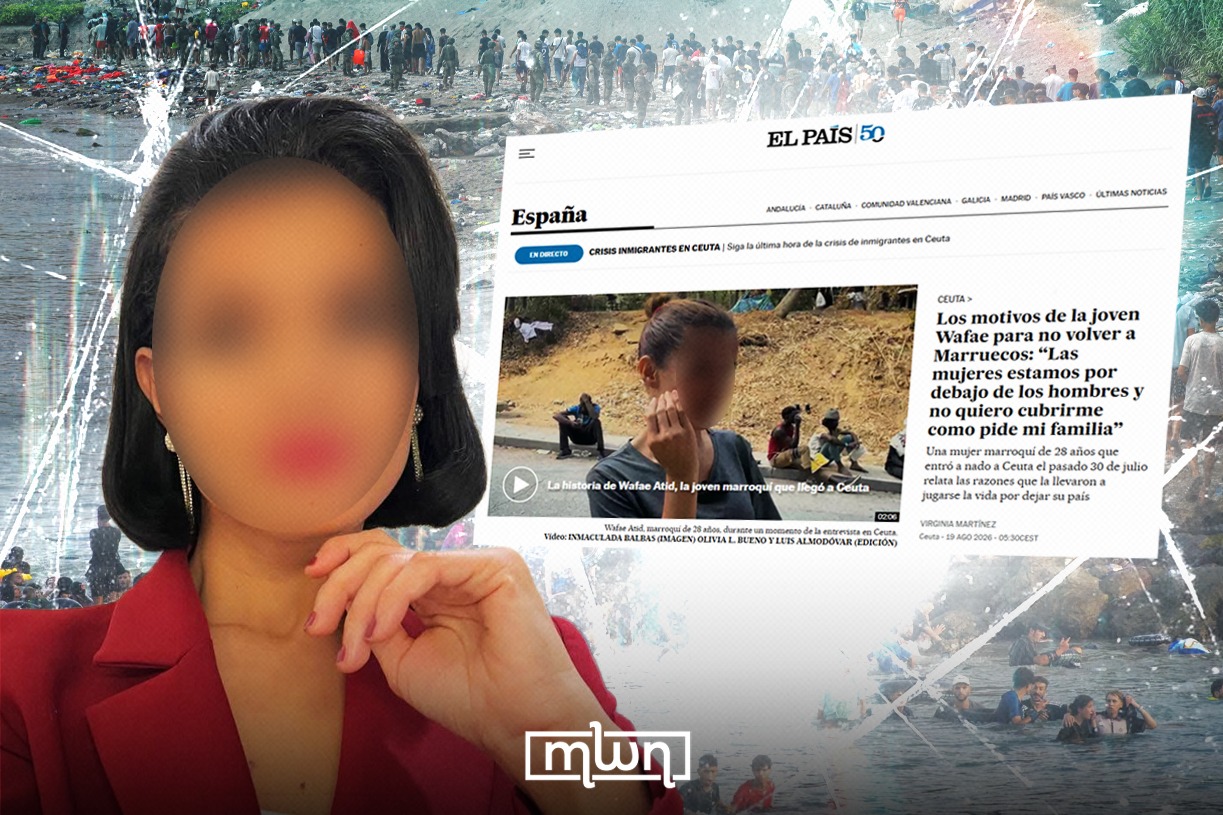
Casablanca – W. A., 28, crossed from Morocco into Ceuta by swimming on July 30. On August 19, El País published an interview in which she explained why she did not want to return to Morocco.
“Women are below men,” she said in the interview, adding that she did not want to cover herself as her family asked. She said her parents had taken her out of school and that her family did not accept her leaving to continue her education elsewhere. She also said she wanted to go to Barcelona and find work, citing her experience in hotels and restaurants and her knowledge of languages.
The interview quickly drew criticism after users began circulating older photographs and videos from her social-media accounts.
Le360 reported on August 20 that the migrant public online presence shows her in Qatar, Dubai and Turkey, as well as working in the hospitality sector and appearing in modeling-related content. The outlet also found videos posted from Qatar, including one from December 2025 in which she introduces herself in English.
Libertad Digital went further, pointing to photographs and videos showing W. A. traveling, attending parties, and appearing without a headscarf. The outlet questioned how those images fit with the account presented in the El País interview.
Read also: Authorities in Ceuta Evacuate Migrants From El Trampolín Beach
The criticism also focused on her statement that her family had prevented her from traveling. Her online history includes trips and work outside Morocco, including in the Gulf.
W. A. has since responded on Facebook. She confirmed in a Story posted on August 19 that her parents took her out of school during the fifth year of primary school. She said the photographs from other countries were taken while she was working there.
She also asked people not to forget that the media does not always publish everything said during an interview. According to her response, parts of what she told El País were left out, and she said that including those details would have helped people understand her situation better.
The interview came amid growing criticism of Spanish media coverage of the Ceuta crisis, with some outlets accused of publishing unverified or misleading material about Morocco. Earlier this month, El Confidencial used a photograph of an injured Palestinian in Gaza in its coverage of the crisis, despite the image having no connection to the migrants who crossed into Ceuta.
El País’s interview is being similarly scrutinized, with critics questioning whether the newspaper had sufficiently checked and contextualized W. A.’s account before publishing it. This is part of a broader campaign that presents Morocco through a one-sided and damaging lens, particularly at a time of heightened tensions surrounding migration, Ceuta, and Morocco-Spanish relations.