Casablanca – Morocco has announced its candidacy for a non-permanent seat on the United Nations Security Council for the 2028-2029 term.
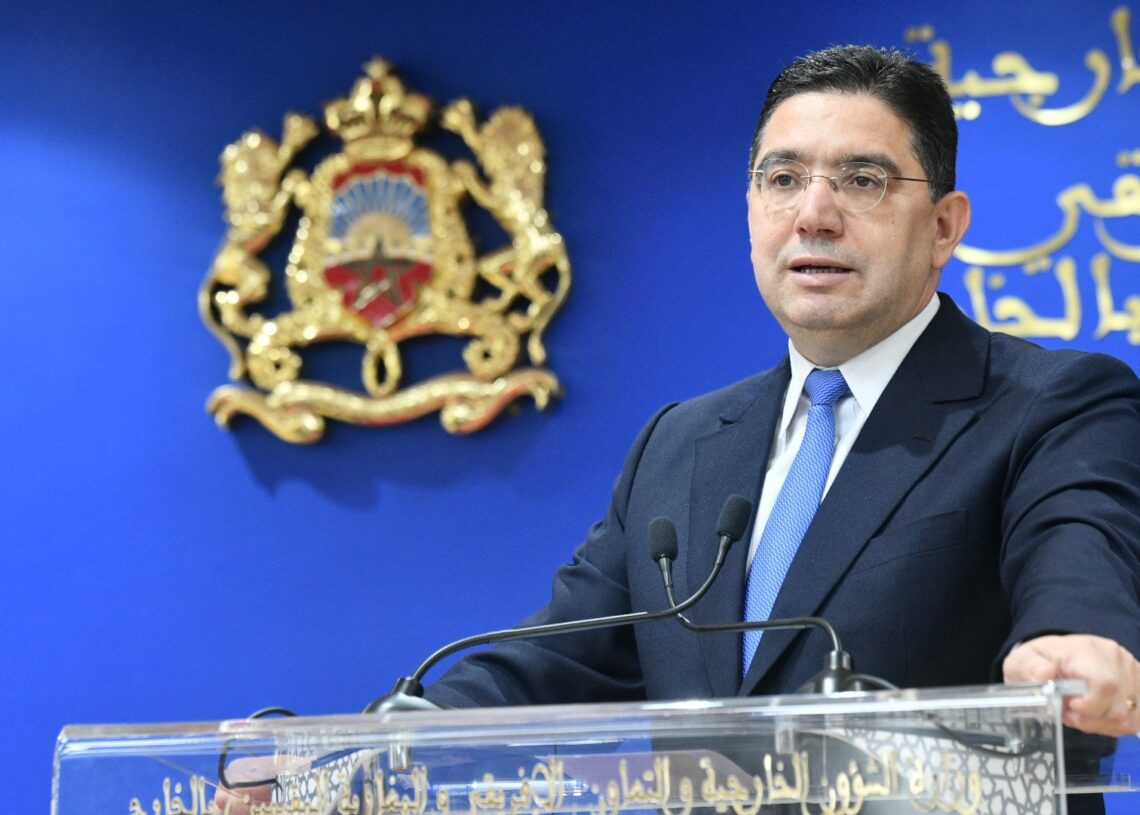
Foreign Minister Nasser Bourita made the announcement Tuesday in New York while delivering Morocco’s speech during the general debate of the 81st session of the UN General Assembly. Bourita leads the Moroccan delegation at this year’s General Assembly session.
Bourita said Morocco wants to contribute effectively and responsibly to international peace and security through its candidacy.
He said the bid rests on a realistic and solidarity-based vision of international cooperation, while respecting international law and the principles of national sovereignty and territorial integrity.
The minister also linked the candidacy to Morocco’s diplomatic record and the country’s accumulated experience in international affairs. He said it reflects King Mohammed VI’s vision of strengthening Morocco’s position as a reliable and established actor in promoting stability and sustainable development around the world.
Read also: Bourita: Western Sahara Dispute Has Reached ‘Historic Turning Point’
According to Bourita, the candidacy would allow Morocco to continue what he described as its mission in support of peace-related issues. It would also allow the Kingdom to contribute to collective security and defend multilateral action in line with the goals and principles of the UN Charter.
Bourita said Morocco’s bid also represents the culmination of the country’s continued contributions to what he described as the three pillars of the international system. These include maintaining international peace and security, promoting sustainable development, and upholding the rule of law.
The announcement comes during the 81st session of the UN General Assembly, where world leaders and senior officials are discussing a wide range of international issues.
Morocco has previously served as a non-permanent member of the Security Council, including for the 1963-1964 and 1992-1993 terms. A successful bid for 2028-2029 would give the Kingdom another two-year mandate on the 15-member council.
The Security Council has five permanent members and 10 non-permanent members elected by the General Assembly for two-year terms. The non-permanent seats are distributed among regional groups, with African countries holding three seats.