Rabat – Formula 1 could return to Africa for the first time in decades, with Rwanda emerging as a leading candidate to host a Grand Prix and Qatar reportedly supporting the initiative.
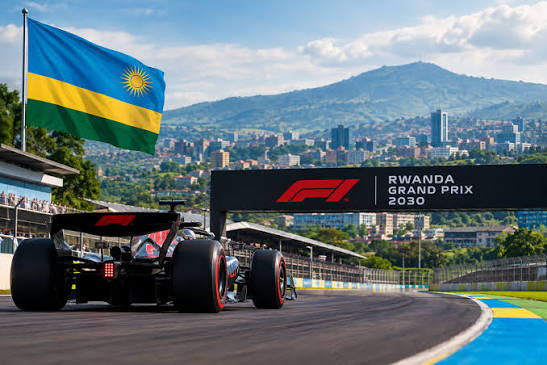
According to motorsport outlet RacingNews365, discussions between Formula 1 rights holder Liberty Media and the Rwandan government have advanced, with 2030 being considered as a possible year for the country’s debut on the championship calendar.
However, an official announcement confirming the date and final arrangements is still required.
The project forms part of Rwanda’s broader efforts to attract major international sporting events, strengthen its global profile, and create new opportunities in tourism and investment.
Rwanda Advances Formula 1 Circuit Project
Rwanda has been working since 2022 on plans to build a dedicated racing circuit approximately 40 kilometers from the capital, Kigali.
The proposed facility would provide the infrastructure needed to host one of the world’s most prestigious motorsport competitions.
Rwandan President Paul Kagame has supported the country’s ambitions to attract major sporting events, viewing international competitions as an opportunity to promote Rwanda globally and stimulate economic activity.
According to Agence France-Presse (AFP), a source close to the International Automobile Federation (FIA) indicated that a press conference was expected to take place in Kigali to provide updates on the project.
The report also mentioned Qatari support for the initiative, although details about the nature and extent of that support were not disclosed.
If confirmed, Rwanda’s plans would mark a significant development in Formula 1’s efforts to expand its international presence and bring the championship back to a continent that has been absent from its calendar for more than three decades.
Africa’s long absence from Formula 1
South Africa last hosted a Formula 1 World Championship race in 1993 at the Kyalami circuit near Johannesburg.
The country had previously hosted several races, beginning in 1962, making it the most recent African nation to feature on the championship calendar.
Morocco also has a place in Formula 1 history. Casablanca hosted a World Championship race in 1958, the only time the country staged a round of the competition.
Since South Africa’s last race, Africa has remained absent from the Formula 1 calendar, even as the championship has expanded into new markets across Asia, the Middle East, and the Americas.
Rwanda’s proposed Grand Prix could therefore restore the continent’s presence in the sport and open the door to renewed interest in African motorsport.
However, the project would still require confirmation of the final arrangements and the completion of the infrastructure necessary to meet Formula 1’s hosting requirements.
Rwanda uses sport to boost its global profile
Formula 1 is part of Rwanda’s wider strategy to use international sport to attract visitors, investors, and global attention.
Kigali hosted the FIA’s annual awards ceremony in 2024, while Rwanda welcomed the 2025 UCI Road World Championships, marking the first time the event was held on the African continent.
The country has also developed promotional partnerships with several prominent sports organizations.
In football, Rwanda has worked with European clubs, including Paris Saint-Germain, Atlético Madrid, and Aston Villa, through its “Visit Rwanda” tourism campaign.
The initiative has helped bring the country’s name to international audiences through club sponsorships and promotional activities.
Rwanda has also extended its sports marketing strategy to basketball through a partnership involving the Los Angeles Clippers of the National Basketball Association (NBA).
A Formula 1 Grand Prix would represent another major step in this strategy, potentially attracting international visitors, increasing global media exposure, and creating commercial opportunities linked to the race.
For now, the proposed 2030 debut remains subject to official confirmation. If the plans move forward, Rwanda could become the country that ends Formula 1’s long absence from Africa.