 Join on WhatsApp
 Join on Telegram
Agadir- Morocco’s Competition Council has announced that it has accepted the request for an opinion submitted by the Head of Government regarding the adoption of temporary measures to regulate markets for the sale of Eid al-Adha livestock.
In its opinion No. R/3/26, the council declared that the “adoption of temporary measures by the government to regulate markets designated for the sale of Eid al-Adha livestock” is approved since it meets the conditions mentioned in Article 4 of Law No. 104.12 on pricing freedom and competition.
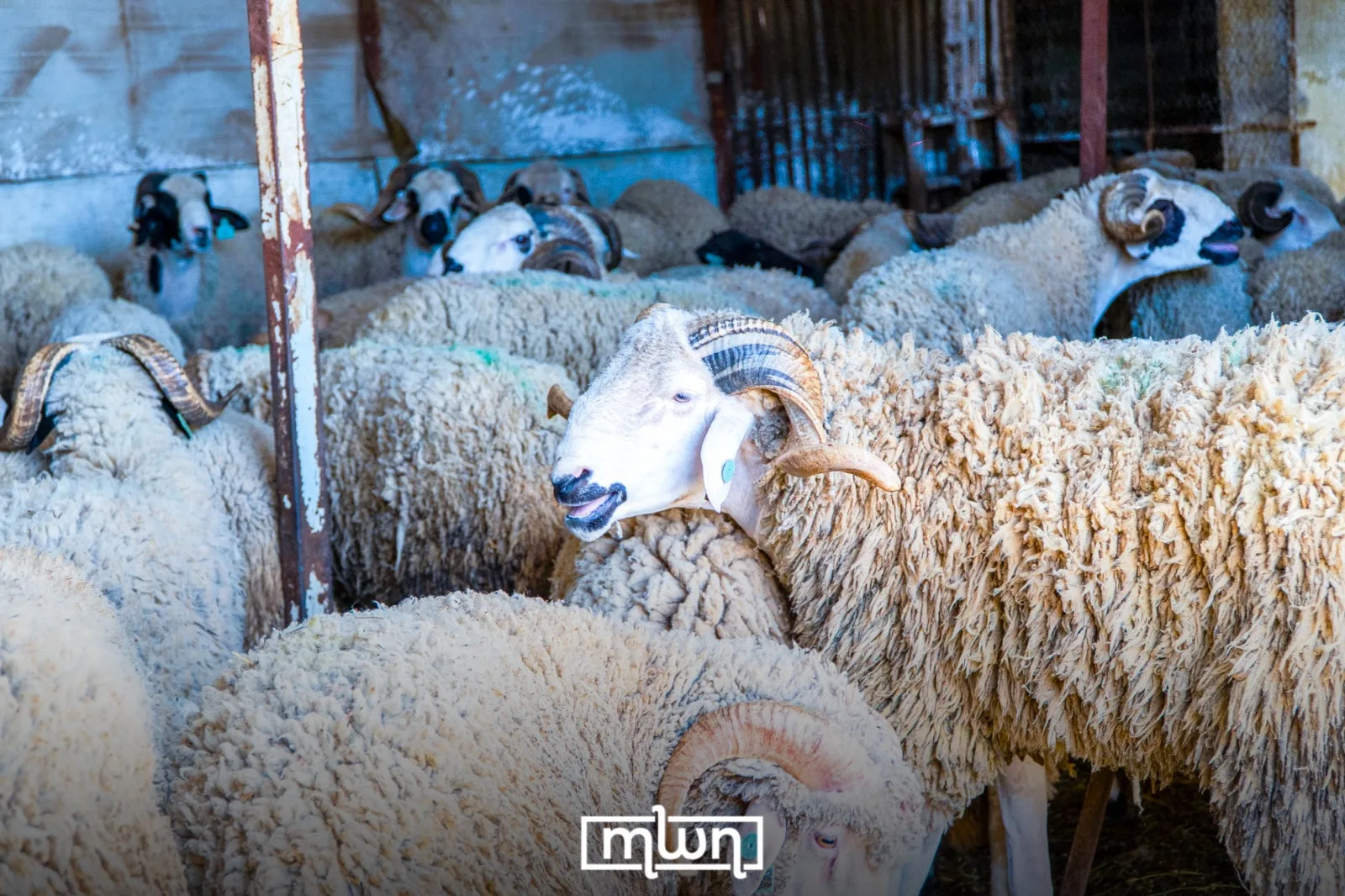
The council noted that the period associated with Eid al-Adha is characterized each year by an exceptional and intense increase in demand for sacrificial livestock across the country, accompanied by growing pressure on supply and marketing channels.
This context may create some speculative practices that require establishing principles to ensure free and fair competition, the council.
Such practices include resale by intermediaries for speculative purposes, illegal stockpiling of livestock to create artificial shortages, and deliberate manipulation of price levels, all of which could disrupt the natural balance of the market and undermine the transparency of commercial transactions.
Moreover, the statement mentioned that the objective of the temporary measures adopted by the government for Eid al-Adha livestock markets would ensure that transactions are conducted transparently, maintain fair market competition, and prevent any activities that go against the principles of free and fair competition.
The measures established by the Head of Government, Aziz Akhannouch, include restricting the sale of sacrificial livestock to legally authorized and designated markets, with the exception of sales conducted directly on farms in accordance with existing regulations.
Sellers are required to submit prior declarations to local administrative authorities, including details of their identity, the number of animals offered for sale, and their origin, before being allowed to access the markets.
In addition, the measures prohibit the purchase of livestock within markets for the purpose of resale, in order to prevent speculative trading practices that distort fair competition. They also ban any form of price manipulation or artificial influence, including staged bidding processes or explicit and implicit agreements aimed at increasing prices.
The council’s intervention came amid the exaggerated and inflated prices in some livestock markets during Eid Al-Adha, where demand increased sharply within a short timeframe.
Even after the energy crisis eased after the 2022 surge, compound feed in Morocco remained elevated, moving from about MAD 2.8 per kilogram before the crisis to roughly MAD 4–4.5 in 2023–2024, and reaching around MAD 5 in 2025.
This was reflected in meat prices as well, with beef climbing from MAD 68.3 per kilogram in 2018 to MAD 103.8 in early 2025, and lamb rising from MAD 72.9 to MAD 134.6 over the same period.
These gaps in prices are often viewed as a phenomenon referred to as the Fraqchiya or Chanaqa crisis. It refers to the fact that many sellers use such occasions of Eid to raise prices and benefit from the short period of high demands.