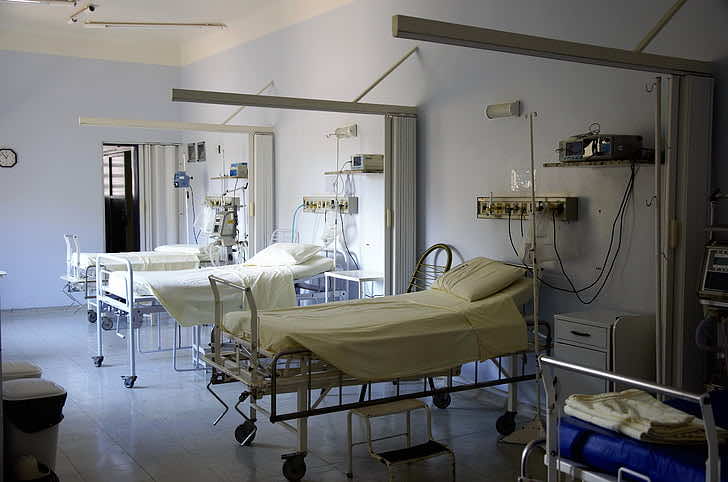
Morocco’s health sector continues to suffer from a shortage in qualified human resources, as well as an insufficient budget, a recent report from the High Commission for Planning (HCP) revealed.
The “2020 National Report on Morocco’s Implementation of Sustainable Development Goals” presented the country’s evolution over the past decade in several aspects of life, including health and well-being—the third UN Sustainable Development Goal (SDG).
According to the report, one of the main challenges Morocco faces in achieving the SDG is insufficient medical staff.
The availability of practitioners is also subject to territorial disparities, especially for certain medical specialties, such as cardiology and endocrinology. More than 50% of Moroccan cardiologists and endocrinologists work in Rabat, Casablanca, and the surrounding regions.
Morocco also suffers from higher death rates for diseases that are unnecessarily fatal among people from poorer families or with illiterate parents.
Another issue facing Morocco’s health sector is the population’s lack of knowledge about human immunodeficiency viruses (HIV) and insufficient access to treatment in medical facilities.
In terms of financial resources, the report highlighted the insufficient budget allocated to Morocco’s health sector. The budget represents only 5.8% of Morocco’s gross domestic product (GDP) and 5.86% of the state’s general budget.
Read also: Morocco Increases 2020 Education, Health Budget by MAD 13 Billion
Countries that signed the Abuja Declarations in 2001, including Morocco, pledged to increase their health budget to at least 15% of the state’s annual budget. The World Health Organization (WHO) also recommends the health budget be at least 10% of the general budget.
Even if Morocco increases its health budget, it would still need several reforms, according to HCP. The country has to implement a strict financial monitoring system to optimize the budget’s efficiency and reduce the waste of resources.
Other recommendations mentioned in the report include an improvement of the health governance system, the generalization of basic medical insurance, and better monitoring of the population’s causes of death. Morocco currently provides only 14 out of 27 indicators recommended by WHO.
Promising indicators
While Morocco still has to make important efforts to reach the good health and well-being SDG by 2030, the country has made significant progress over the past decade. HCP’s report presented several health indicators that testify to the improvement of healthcare in Morocco, especially in rural areas.
For instance, the maternal mortality rate in Morocco dropped from 112 deaths per 100,000 births in 2010 to 72.6 in 2018.
The percentage of births assisted by medical professionals also increased from 73.6% in 2011 to 86.6% in 2018. The figure significantly grew in rural areas, climbing from 55% to 74.2%.
Child mortality also significantly decreased between 2011 and 2018 in all its categories. Neonatal mortality dropped from 21.7 deaths per 1,000 births to 13.56, infant mortality from 30.5 to 22.2, and mortality of children under one year old from 28.8 to 18.
Morocco also recorded positive indicators for common transmissible diseases. The rate of HIV infections remains very low within the Moroccan population, standing at 0.03 per 1,000 people in 2019.
Tuberculosis infections also slightly decreased between 2015 and 2018, from 101 cases per 100,000 people to 99.
As for malaria, Morocco has not recorded any local case since 2005 and detects on average 450 imported cases per year.
Finally, the infection rate of viral hepatitis B slightly declined from 12 new cases per 100,000 people in 2016 to 11 in 2019.
Read also: Djinns, Shame, and Taboos: Opening Up About Mental Health in Morocco
Unlike physical diseases, Morocco does not currently have accurate statistics about mental health. The data mentioned in the report about suicide rates dates back to 2016 and shows an annual decline from 4.8 suicides per 100,000 people in 2015 to 2.9 one year later. However, insufficient monitoring prevents reports from reaching conclusions.
In line with mental health, the number of patients receiving treatment for drug addiction in Moroccan facilities increased from 15,168 in 2016 to 25,700 in 2018.
On the other hand, alcohol consumption also increased among Moroccans aged over 15, from 0.69 liters per year in 2016 to 0.74 in 2018.
Finally, fatalities resulting from traffic accidents decreased from 11 deaths per 100,000 people in 2016 to 9.37 in 2019.
While the majority of indicators are progressing on a positive path, only time will tell if Morocco can ensure the good health and well-being of its population by 2030—the deadline of the UN SDGs.