 Join on WhatsApp
 Join on Telegram
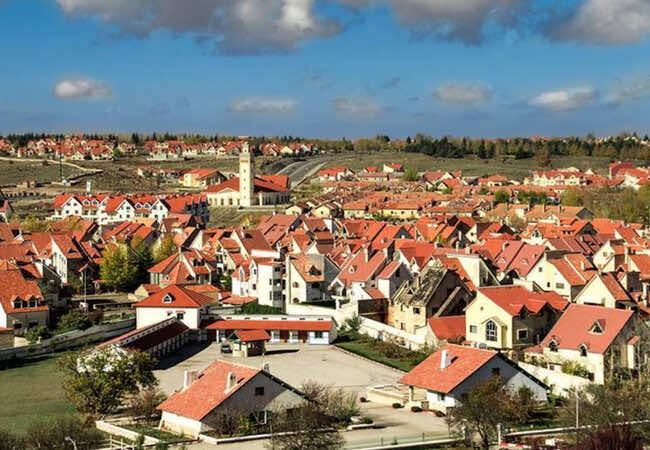
Rabat – Ifrane, known as “la petite Suisse,” is a beautiful city in the middle of the Atlas mountains. The city is flooded with tourists every time it snows, but its citizens faced and are still facing hardship amid the COVID-19 restrictions.
Ever since the 8 p.m. curfew decision was imposed during the holy month of Ramadan, restaurants and cafes took their biggest hit yet. Cafe and restaurant owners and employees are now left to fend for themselves.
To understand the impact of the crisis more, I spoke with the owner of one of the most popular restaurants in the city, Foodie. The restaurant hires 28 people in two locations in addition to their storage facility in Azrou.
When the government imposed the 9 p.m. curfew, they had to cut the number of employees in half. By Ramadan, things had gotten worse and Foodie now operates on a skeleton staff, with one-third of their original employee number.
I wondered whether the restaurants and cafes had received any form of aid from the government, but the short answer from Othmane Barakat was “No.” Currently, there are no active support programs to ease the loss of income due to the night curfew, which left the businesses to survive by their own means.
The Head of Government, Saad Eddine El Othmani announced a new support scheme on April 13, for those not registered with the National Social Security Fund (CNSS). However, the amount was not specified. MPs urged the government to take urgent measures to negate the impact of cafe and restaurant closures during the Ramadan night curfew.
To much dismay, restaurants were not allowed to operate at night using delivery services. The President of the National Office of the Association of Cafe and Restaurant Owners, Noureddine El Haraq, submitted a petition to El Othmani one week before Ramadan.
The petition warned the night curfew in Ramdan could cause the service sector to come to a “complete collapse.” The request did not receive a response.
For future closures this could be an option, if workers are registered. However, for the vulnerable workers who “suffer in silence” according to MPs, is it too little too late?
Othmane Barakat, Foodie’s owner and manager, raised his concerns regarding the COVID-19 crisis, confirming the general effects of the pandemic and the heavily impacted Ifrane business ecosystem.
“Business owners of different sizes have found themselves facing income shortages and challenges just as proportionally big, and as business owners that support many families, we are looking forward to the end of this pandemic,” stated Barakat.
Some restaurants were luckier than others, using the “ftour” option to keep serving food. However, the Marché’s popular restaurants did not operate during the whole of Ramadan, and received no compensation or aid, leaving many families with no source of income during the whole month.
The country as a whole is facing the repercussions and the effects of the COVID-19 pandemic, but Ifrane is a unique case. The highly touristic city has hit new lows this year. In March 2020, the students of Al-Akhawayn University left the campus, leading to the plummet of the city’s entire economy.
One year on, although the campus is operational and students are back, people are still struggling to make ends meet with the COVID-19 restrictions, since the majority of the population works in the hospitality and food sector.
I encourage people to come to visit the city once the government has relaxed the measures. New tourists will hopefully compensate for the hardship and suffering that the people of the beautiful city of Ifrane went through.
However, the question remains: for how long will people suffer due to the illogical and unstructured decisions imposed by the government, with little to no compensation for its people?