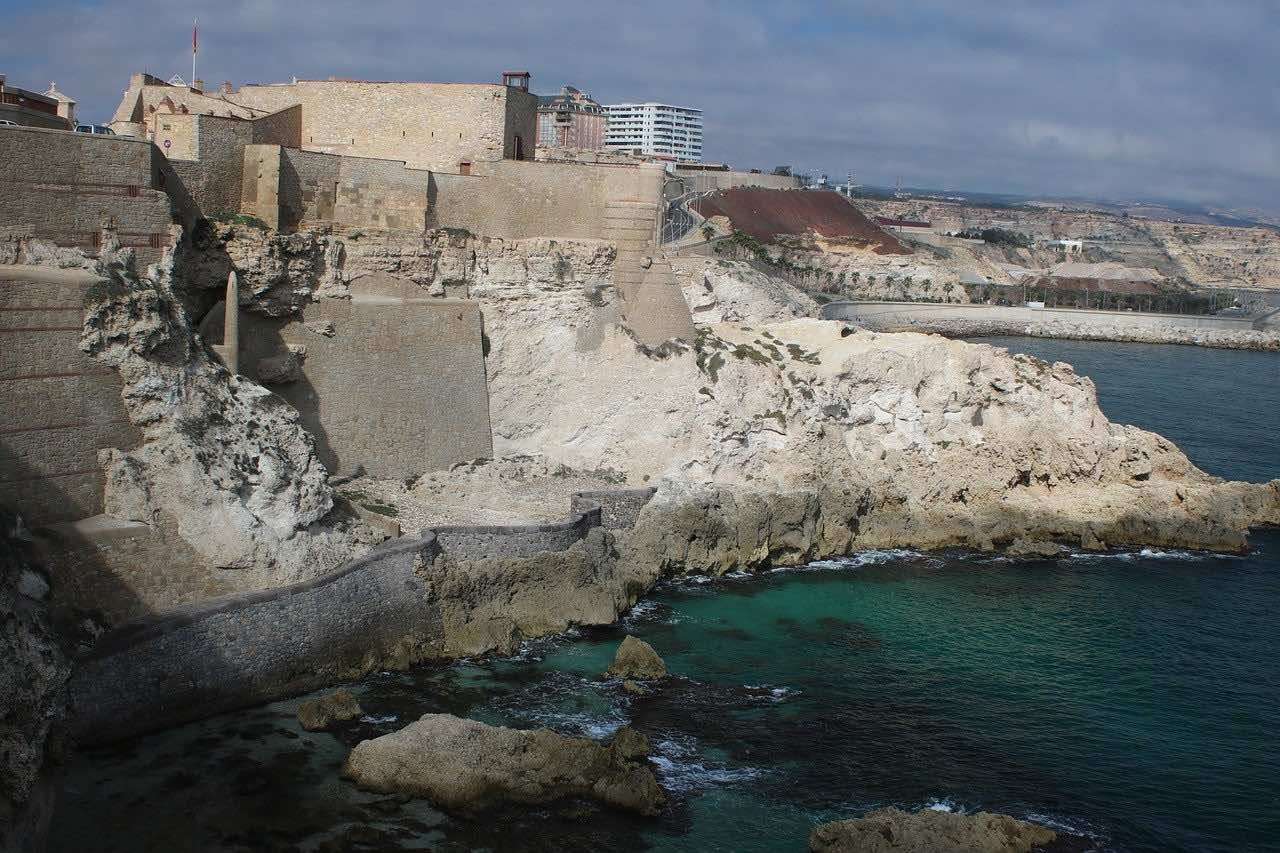
Rabat – The diplomatic crisis between Morocco and Spain can only truly be resolved by recognizing the corrosive role of Spain’s remaining colonies in Africa. Samir Bennis, Editor-In-Chief and co-founder of Morocco World News, has presented the historic and diplomatic case to end the last vestiges of Spanish colonization of Africa in an analysis for Jeune Afrique.
The Washington-based political analyst has outlined the core facts and fictions concerning the two Spanish enclaves on Moroccan soil following Bennis’ in-depth analysis on the bilateral crisis between Spain and Morocco for the Washington Institute.
The dispute over ownership of the two African enclaves has not been a priority for Rabat amid the ongoing diplomatic efforts to establish peace in the Western Sahara conflict.
While the status of the two colonial territories has been excluded from bilateral discussions for nearly two decades, reaching a resolution of the dispute can allow the two countries to truly enjoy the fraternal relations Madrid often emphasizes, according to Bennis.
Illicit economies
Ceuta and Melilla have mainly served as open-air prisons, military installations, and dens of smuggling over the past centuries, Bennis writes in Jeune Afrique. While Spanish media portray the two enclaves as part of Spain’s “territorial integrity,” Bennis contests these statements with a simple yet conclusive analysis of the history of the two cities.
Ceuta and Melilla are currently a blight to Morocco’s development of its northern regions, providing for an illicit economy that fuels illegal activity and undermines any efforts to provide sustainable employment. Bereft of any agriculture or industrial value, the two enclaves have prospered only through the continued trade of illegal commodities.
Bennis describes how over the past seven decades, the two enclaves every year have cost Morocco’s economy one billion dollars in trade and half a billion in lost customs revenue. This issue remained unresolved until “the sudden arrival of a mass of at least 8,000 irregular migrants in Ceuta on May 17 brought to light the uncertain, special and anachronistic status of the two Spanish enclaves,” Bennis writes.
Second-rank status
While Spanish media currently consider the discussion surrounding the two enclaves as a threat to the Iberian nation’s territorial integrity, Bennis highlights how historically the region has always had a second-rank status in Madrid.
Throughout the two small territories’ history, both served primarily as military strongholds and open-air prisons to hold Spanish undesirables. Bennis questions Spanish claims that Ceuta and Melilla have been official Spanish possessions since 1580. Instead, Bennis emphasizes that it was not formally recognized until over one century later, with the signing of the 1686 Lisbon Treaty.
Even then, the two enclaves were not fully regarded as Spanish cities. The regions did not have local municipalities, civil courts, local military forces, or representation in Spain legislative institutions. Only when citizens of the two cities migrated to the Iberian peninsula were they considered to be Spanish, Bennis explains.
Bargaining chip
Bennis challenges current Spanish narratives portraying the two enclaves as valued components of the Spanish territory. Instead, he argues, Ceuta and Melilla were considered mere bargaining chips for over two centuries. Spain considered trading the two strongholds to the British colonial empire in exchange for Gibraltar, and even considered abandoning them altogether.
Spanish diplomats repeatedly considered trading, selling, or abandoning the two enclaves. The legislative government of Cadiz declared in 1811 that the cities were not Spanish territories and recommended their return to Morocco. Spain continued to see Ceuta and Melilla as an item up for trade for most of the enclaves’ history, only recognizing them as “territories of sovereignty” amid rising colonial fervor in 1913.
It was not until 1955 that the two cities were designated to be territories of full sovereignty, while remaining under the control of the military. As the size of the two enclaves grew following colonial expansionary efforts by the Spanish, only under duress did Morocco surrender territory in the region.
Negotiated solution?
Spain’s arguments for continuing their colonial occupation of the two enclaves on the African continent stand in stark contrast to their arguments on Gibraltar, explains Bennis in his analysis. While Spain calls on Britain to return Gibraltar based on its geographical qualities, Madrid willingly ignores the exact same argument regarding Morocco.
Ceuta and Melilla continue to be vestiges of colonialism, cutting small chunks out of Morocco’s geographic borders. Gained through military might and expansionist imperialism, Madrid has little justifiable arguments for maintaining its control over the two pieces of African soil. Instead, Bennis argues, returning the enclaves to Morocco could finally conclude Spain’s dark colonial history.
“The Spanish government will, at some point, have to sit down at the negotiating table with Morocco,” Bennis writes. He concludes that in order to resolve bilateral tension in a meaningful way, the two nations need to “discuss a solution to preserve the strategic interests of both parties and safeguard their privileged partnership.”