 Join on WhatsApp
 Join on Telegram
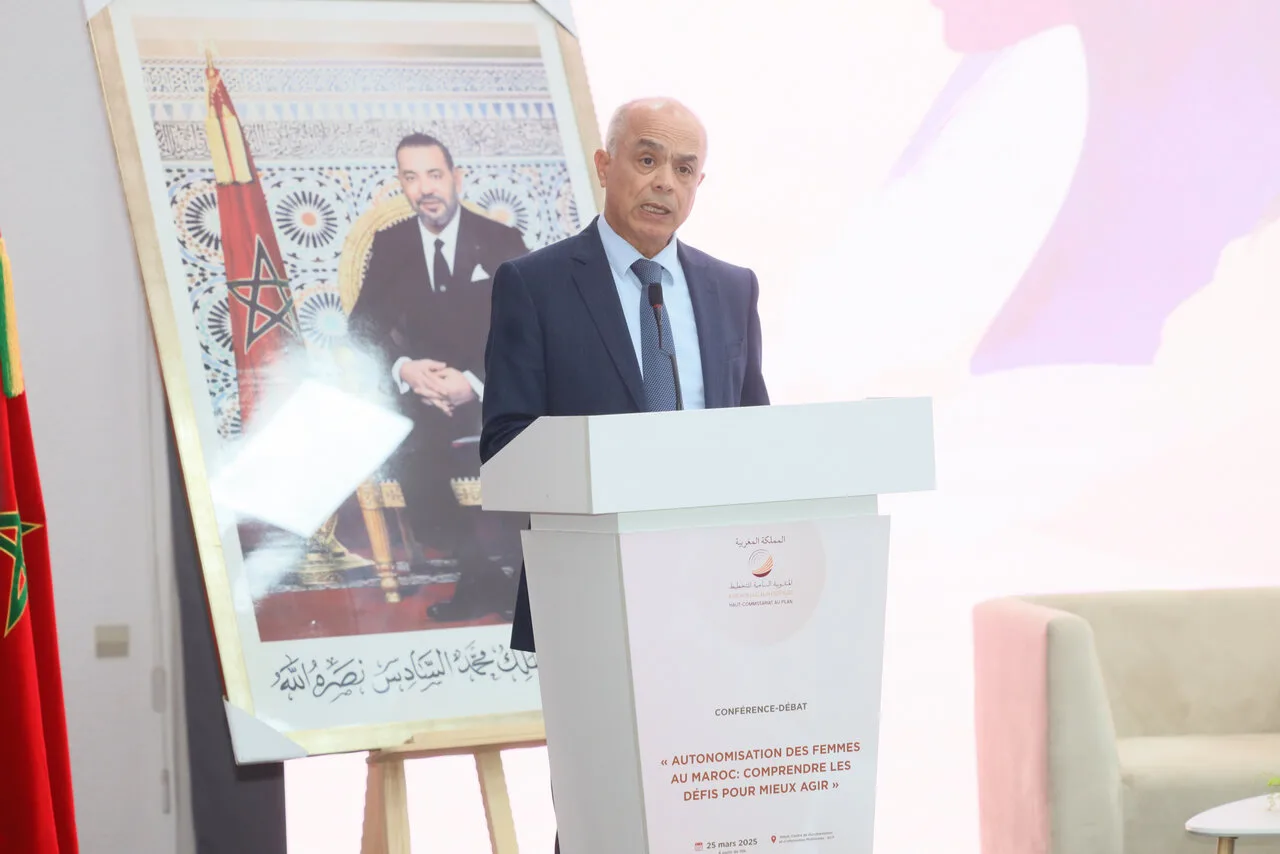
Doha – The inclusion of rural women in Morocco’s economy could generate MAD 25.3 billion ($2.53 billion), representing 2.2% of GDP, High Commissioner for Planning Chakib Benmoussa stated yesterday in Rabat.
During a conference on “Women’s Empowerment in Morocco: Understanding Challenges for Better Action,” Benmoussa outlined the formidable barriers confronting women in rural communities, including “unpaid employment, limited access to health and education services, as well as difficulties accessing property and financing.”
The conference, organized by the High Commission for Planning (HCP) in partnership with UN Women and supported by the European Union delegation, presented findings from three major studies on women’s empowerment and labor market integration.
The first study proposes a benchmark of measures and social changes affecting women’s participation in the labor market, focusing on reducing wage gaps, valuing unpaid work, and strengthening sectors with high female labor intensity.
The second, specifically examining rural women’s economic participation, reveals their economic potential remains underexploited.
The third, meanwhile, analyzes gender inequalities through the SDG lens, drawing on the 2022 National Household Living Standards Survey to address indicator gaps in land rights, economic resources, and reproductive health.
Read also: Female Empowerment in Morocco: An Unfinished Progress
According to Benmoussa, the New Development Model (NDM) established gender equality as both “a matter of equity and social justice” and “a powerful driver of growth and development.”
He added that these commitments align with the 2030 Agenda for Sustainable Development, particularly SDG 5, which aims to eliminate discrimination against women, recognize and value unpaid work, and ensure women’s full and effective participation in political, economic, and social spheres.
Statistics from the 2024 General Population and Housing Census indicate a mixed picture of Moroccan women’s status. The female labor market participation rate stands at 19.1% in 2024, according to Daniele Dotto, Deputy Head of the EU Delegation to Morocco.
Notably, recent findings from the African Women’s Inclusion Index (AWII) 2025 rank Morocco 32nd out of 42 African countries with an overall score of 44.2. The country’s financial inclusion score is 35.5, while economic inclusion remains lower at 27.7.
According to the HCP, this conference also serves as an opportunity to understand future data needs.
These insights will be considered in planned surveys for 2025–2026, particularly the national family survey and the time budget survey, to better comprehend gender dynamics and guide public policies toward a more inclusive labor market.
Women’s economic empowerment is “essential for ensuring their full contribution to the national economy, strengthening family and community resilience, and promoting sustainable and equitable growth,” stressed Myriem Noussairi, UN Women Representative in Morocco.