
































































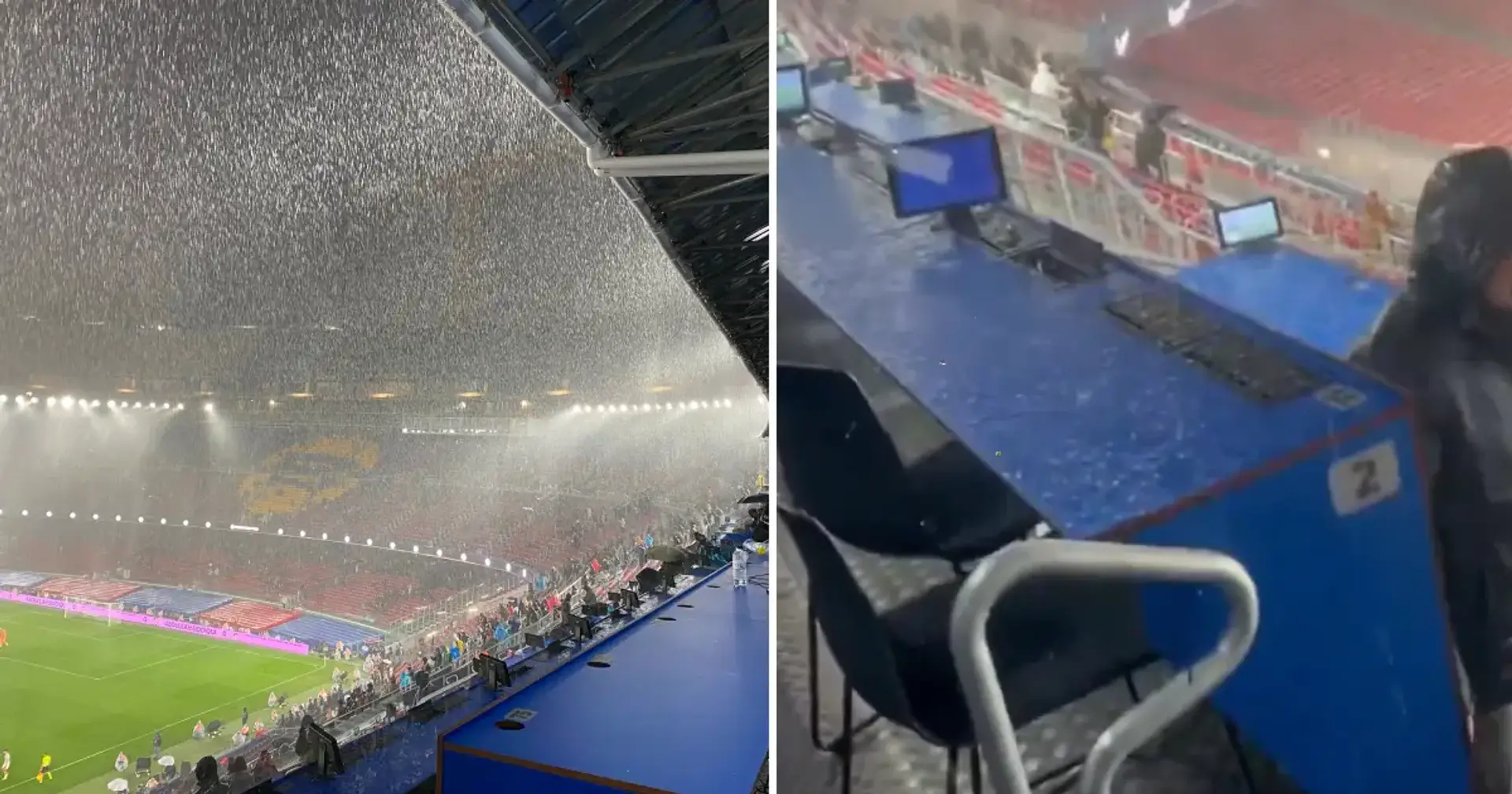
Rabat – Barcelona’s €1.45 billion Espai Barça project faced a concerning setback on Sunday as heavy rain exposed problems in the renovated stadium. Water poured into concourses and media areas, raising concerns about safety and readiness.
The return to the Spotify Camp Nou was meant to symbolize renewal after years of rebuilding. Instead, during the LaLiga match against Real Oviedo, the newly reopened sections failed their first test as rain leaked inside.
During FC Barcelona’s match against Real Oviedo on January 25, 2026, at the Spotify Camp Nou, heavy rain fell, forcing many fans to seek shelter or leave early. Local media reported that water entered parts of the stadium still under construction. pic.twitter.com/9wLduaFbvL
— La clicla Ufit 😎 (@PenalpaMadrid) January 25, 2026
On the pitch, Barça won easily, beating Oviedo 3-0 to reclaim top spot. Off the pitch, though, the most shared images showed streams of water falling through openings, concourses filling up, and fans and journalists scrambling to protect themselves and their equipment.
Videos posted online showed rain pouring through an opening, turning the concourse into a waterfall. In other areas, water pooled along walkways, forcing fans to detour or leave early.
Reporters were seen working under umbrellas and rain jackets as leaks hit normally protected press zones, an awkward scene for Barcelona’s “homecoming.”
Even VIP areas were affected. Spanish outlet Tribuna reported that Joan Laporta and guests in corporate sections were left exposed to the rain, showing the issue was not limited to one part of the stadium.
A stadium still under construction
Barcelona’s return to the stadium has been gradual, with capacity reduced to about 45,000 while renovations continue. The Espai Barça project is valued at around €1.45 billion, with outside reports often citing €1.5bn.
The club is still operating inside a construction site. Laporta addressed the flooding calmly, saying it was part of the risks during this transition. He promised fixes as problems appear, striking a “we’ll address it” tone.
Leaks can happen in modern stadiums when roofs and drainage are unfinished. However, these images bring doubt to Barcelona’s marketing Camp Nou as a world-class venue capable of hosting major events like the World Cup, and raise practical concerns about safety, crowd management, slip hazards, and whether temporary fixes are enough.
The bigger issue is perception. The return had already been delayed, and now critics can say: not only was it late, but it was leaky.
Barcelona’s best response is speed and transparency, find the leak points, explain what was incomplete, and fix them before the next big game.