Join on WhatsApp
 Join on Telegram
Rabat – Fifteen tankers each holding 10,000 liters (2,642 gallons) of drinking water arrived yesterday in Beni Mellal-Khenifra, central Morocco, to supply the region’s five rural provinces with clean water amid the COVID-19 health crisis.
The 16-ton tankers carried 150,000 liters (39,630 gallons) of water worth more than MAD 9 million ($912,316). The tankers will distribute supplies equally among the five provinces in the region, with each province set to benefit from the contents of three trucks.
The delivery is part of the second phase of a support program for rural communities in the region. Given the heightened need for clean water during the COVID-19 pandemic, the recent drought, and looming summer heat, the demand for drinking water in rural Morocco is especially urgent.
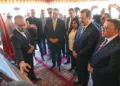
The president of the Regional Council of Beni Mellal-Khenifra, Brahim Moujahid, and the wali of the region, Khatib El Hebil, presided over the ceremony marking the successful delivery.
“This initiative of the elected council of the region is part of the proactive efforts of local authorities and the council of the region to ensure the supply of drinking water to the rural world and mountainous areas especially those affected by the rainfall deficit and the scarcity of drinking water resources,” said Moujahid during the ceremony.
COVID-19 and drought: A recipe for disaster
Despite reporting low COVID-19 figures compared to bustling Moroccan cities such as Casablanca and Rabat, rural regions are struggling to withstand the social, economic, and health impacts of the pandemic and drought.
The low rainfall levels this past winter have left rural households with limited access to clean drinking water and farmers with slashed crop yields.
With the COVID-19 pandemic interrupting economic activity, shutting down markets, restricting citizens’ movements, cutting students off from in-person education, and crowding local hospitals, rural Moroccans are facing a precarious road to socioeconomic recovery.
Moroccan institutions and companies have been working to fortify rural areas during the dual crises.
On March 26, Morocco’s Ministry of Agriculture announced its decision to compensate farmers in areas that experienced unfavorable climate conditions due to lack of rainfall during the winter season. In pursuit of this aim, the ministry and Mutual Moroccan Agricultural Insurance Company (MAMDA) launched joint expertise operations at the beginning of March to detect the areas most affected by lack of rainfall.
Meanwhile, the Credit Agricole du Maroc (CAM) Group announced on May 17 its decision to double its mobile branches in rural Morocco from 50 to 100 to distribute state aid, improve financial inclusion, foster solidarity farming, and accelerate digitalization.
On May 16, the Ministry of Health launched a mobile COVID-19 testing campaign in rural areas, and multiple NGOs and international organizations have worked to distribute food aid and hygiene supplies to remote communities.
As COVID-19 restrictions begin to ease and the weather warms, the latest water delivery in Beni Mellal-Khenifra will hopefully prepare the region to withstand likely difficult conditions during the summer months.
Read also: Women’s Group to Launch Initiative for Morocco’s Female Health Workers