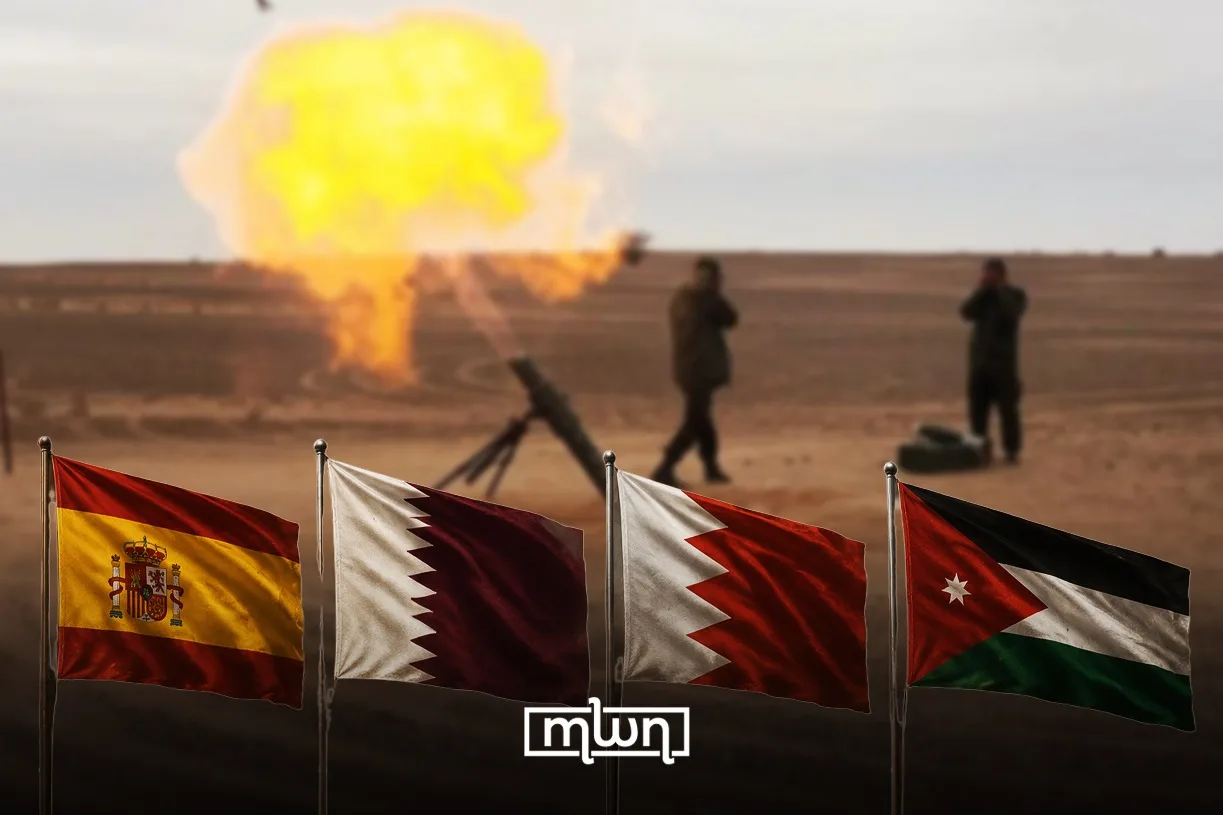
Marrakech – In a desperate bid to reclaim relevance, the Polisario Front fired three projectiles at the Moroccan city of Es-Smara on May 5. The separatist front sought sympathy. It harvested an unprecedented cascade of international denunciation instead. A move meant to revive a dying cause has thus only accelerated its diplomatic asphyxiation.
The list of condemning nations grows by the hour. And the entity that spent five decades claiming statehood over the Western Sahara has, by all measurable outcomes, built nothing but a captive enclave in Algeria’s Tindouf.
Spain was among the latest to break its silence, throwing its weight behind the growing chorus of firm denunciations. Madrid condemned the attack and called for respect of the ceasefire, reiterating its support for the negotiation process outlined in UN Security Council Resolution 2797 “for a just, lasting and mutually acceptable solution.”
España condena el ataque en Esmara del 5 de mayo. España llama al respeto del alto el fuego y reitera su apoyo al proceso de negociación propuesto por la Resolución 2797 para una solución justa, duradera y mutuamente aceptable apoyando los esfuerzos de diálogo y negociación.
— Embajada de España en Marruecos (@EmbEspanaRabat) May 9, 2026
Jordan’s Foreign Ministry labeled the strike a “terrorist attack.” Spokesperson Ambassador Fouad Al-Majali affirmed Jordan’s “full solidarity with the brotherly Kingdom of Morocco” and its “complete support for Morocco’s legitimate sovereign rights in the Moroccan Sahara.” He stressed Jordan’s categorical rejection of “all forms of violence and terrorism that seek to destabilize security and stability.”
دانت وزارة الخارجية وشؤون المغتربين الهجوم الإرهابي الذي استهدف مدينة السمارة في المملكة المغربية الشقيقة.
وأكّد الناطق الرسمي باسم الوزارة السفير فؤاد المجالي وقوف المملكة وتضامنها الكامل مع المملكة المغربية الشقيقة، ودعمها الكامل لحقوقها السيادية المشروعة في الصحراء المغربية،… pic.twitter.com/UE2MszLBQx
— وزارة الخارجية وشؤون المغتربين الأردنية (@ForeignMinistry) May 9, 2026
Qatar followed suit. Doha condemned the attack and expressed “full solidarity with the Kingdom of Morocco and support for its sovereign rights in the Moroccan Sahara.” The Qatari Foreign Ministry renewed its “firm position rejecting violence, terrorism, and criminal acts regardless of motives or reasons.”
بيان | قطر تدين هجوماً استهدف مدينة السمارة في المغرب
الدوحة | 9 مايو 2026
تدين دولة قطر الهجوم الذي استهدف مدينة السمارة في المملكة المغربية الشقيقة.
وتؤكد وزارة الخارجية، في هذا السياق تضامن دولة قطر الكامل مع المملكة المغربية ودعمها لحقوقها السيادية في الصحراء المغربية،… pic.twitter.com/eiT2k0BPLJ
— الخارجية القطرية (@MofaQatar_AR) May 9, 2026
Bahrain’s Foreign Ministry described the strike as a “vile terrorist attack.” Manama expressed its “categorical rejection of all forms of violence and terrorism aimed at destabilizing the Kingdom of Morocco and terrorizing its peaceful citizens.” Bahrain also explicitly referenced Resolution 2797 and Morocco’s autonomy initiative as “paving the way toward peace, stability, and sustainable development in the Moroccan Sahara.”
مملكة البحرين تُدين الهجوم الإرهابي على مدينة السمارة بالمملكة المغربية الشقيقةhttps://t.co/Dhvcs2U51M pic.twitter.com/gFMorrGsbz
— وزارة الخارجية 🇧🇭 (@bahdiplomatic) May 9, 2026
The UAE went further. Abu Dhabi denounced the attack as bearing the hallmarks of “violence, extremism, and terrorism that seek to undermine security and stability.” The Gulf state renewed its “steadfast position of full support for the Kingdom of Morocco, its legitimate sovereignty rights in the Moroccan Sahara, and everything that ensures the security, stability, and territorial integrity of the Kingdom.”
The denunciation was not confined to Arab capitals. France, the Czech Republic, Belgium, and the United Kingdom all condemned the attack in forceful terms, calling for adherence to the ceasefire and backing the political process under Resolution 2797.
Even African countries such as Liberia joined the chorus, denouncing the targeting of civilians and stressing that such violence undermines efforts toward a peaceful resolution under Morocco’s autonomy proposal.
As if individual states were not enough, entire multilateral blocs and institutions themselves joined the offensive. The Es-Smara attack “should be condemned,” declared Dimiter Tzantchev, EU Ambassador to Morocco. “Now is not the time for escalation, but for negotiation, as per UNSC Res. 2797, taking as a basis Morocco’s Autonomy Plan.”
The United Nations also made its position clear. MINURSO expressed “deep concern over incidents of firing in civilian areas” and urged all parties to avoid acts that could jeopardize the political process. UN Secretary-General’s Personal Envoy Staffan de Mistura underscored the gravity of the moment, stating: “This is a time for dialogue and negotiations, not a time for military escalation.”
The United States Permanent Mission to the UN was the first to ignite this firestorm of condemnation. Washington declared that the attack “threatens regional stability and the progress made towards peace” and that such actions were “inconsistent with the spirit of the recent talks.”
The US reaffirmed that the autonomy plan remains the sole basis for a final settlement under Resolution 2797. The US Embassy in Algiers then amplified the message directly into Algeria’s capital, warning that “the status quo serves no one’s interest and cannot continue.”
The attack landed at the worst conceivable moment for the Polisario. The United States is currently serving as the principal sponsor of negotiations aimed at implementing Resolution 2797.
Two bills seeking to designate the Polisario as a terrorist organization have already been introduced in Congress. Under US law, the Secretary of State may designate a foreign group as a Foreign Terrorist Organization under Section 219 of the Immigration and Nationality Act. The Treasury Department may act under Executive Order 13224. The president himself may issue an executive order.
The Polisario’s gambit has handed Morocco formidable ammunition to accelerate that designation process. Rabat now possesses compelling grounds to press Washington for executive action without waiting for congressional legislation.
The separatist front wanted to prove it still mattered. It proved, instead, that it belongs on a terrorist list.
Read also: In Despreate Bid to Revive Sahara File, Polisario Committed Political Suicide